



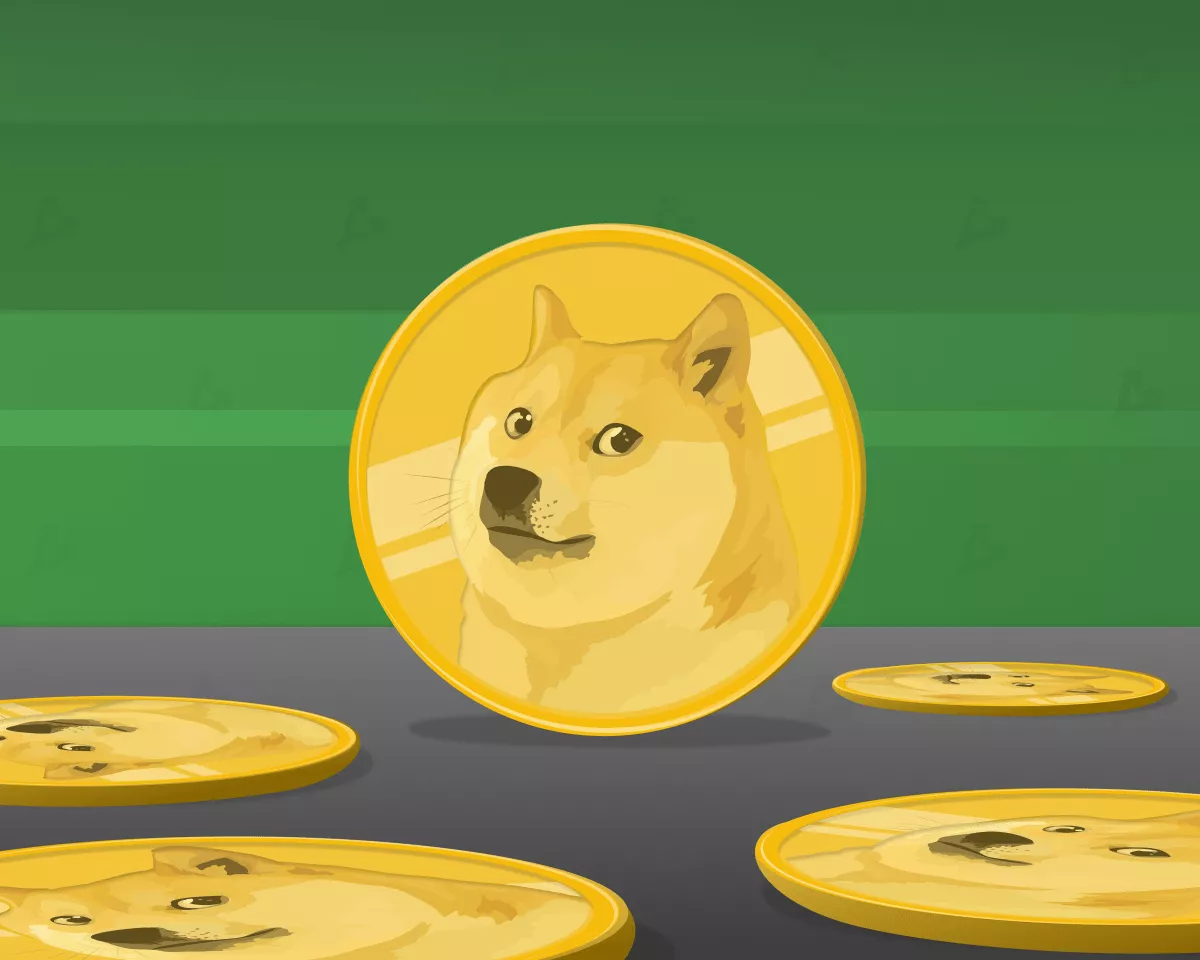
Lead Dogecoin developer Ross Nicoll and four colleagues announced the resumption of work on the cryptocurrency’s code. CoinDesk reports.
“People think DOGE is a joke, but we treat the code with care. The price surge has drawn attention. We intend to keep the currency operational,” commented Ross Nicoll.
On 27 November 2013, Australian Jackson Palmer launched Dogecoin on a modified Litecoin codebase. Unlike the original, its variant features higher inflation, the mining difficulty changes with every block, and its block time is one minute.
What is Dogecoin (DOGE)?
According to Nicoll, amid the current hype, Dogecoin has faced scalability issues. Over the last month, the number of full nodes in its network rose from a few hundred to 1,300.
Most users run defaults that only permit outgoing connections but not inbound ones. This reduces network reliability and creates wallet synchronization challenges.
The developers plan to incorporate data from the last seven Bitcoin Core updates released since development paused. The fruit of these efforts will be the Dogecoin Core 1.21 software, which will include aspects of Bitcoin Core 0.21.
Ross Nicoll acknowledged that Dogecoin development could be paused in the future, but pledged to keep monitoring its security.
Dogecoin differs from the original cryptocurrency in using a different hashing algorithm — Scrypt rather than SHA-256. This helps shield the network from ASIC miners.
The last major Dogecoin update on GitHub dates from October 2019.
In February, Tesla founder Elon Musk and billionaire Mark Cuban said they bought Dogecoin for their sons.
At the end of January, the coin was in the top 10 of crypto assets by market capitalization.
Subscribe to ForkLog news on Telegram: ForkLog FEED — the full feed of news, ForkLog — the most important news and polls.