



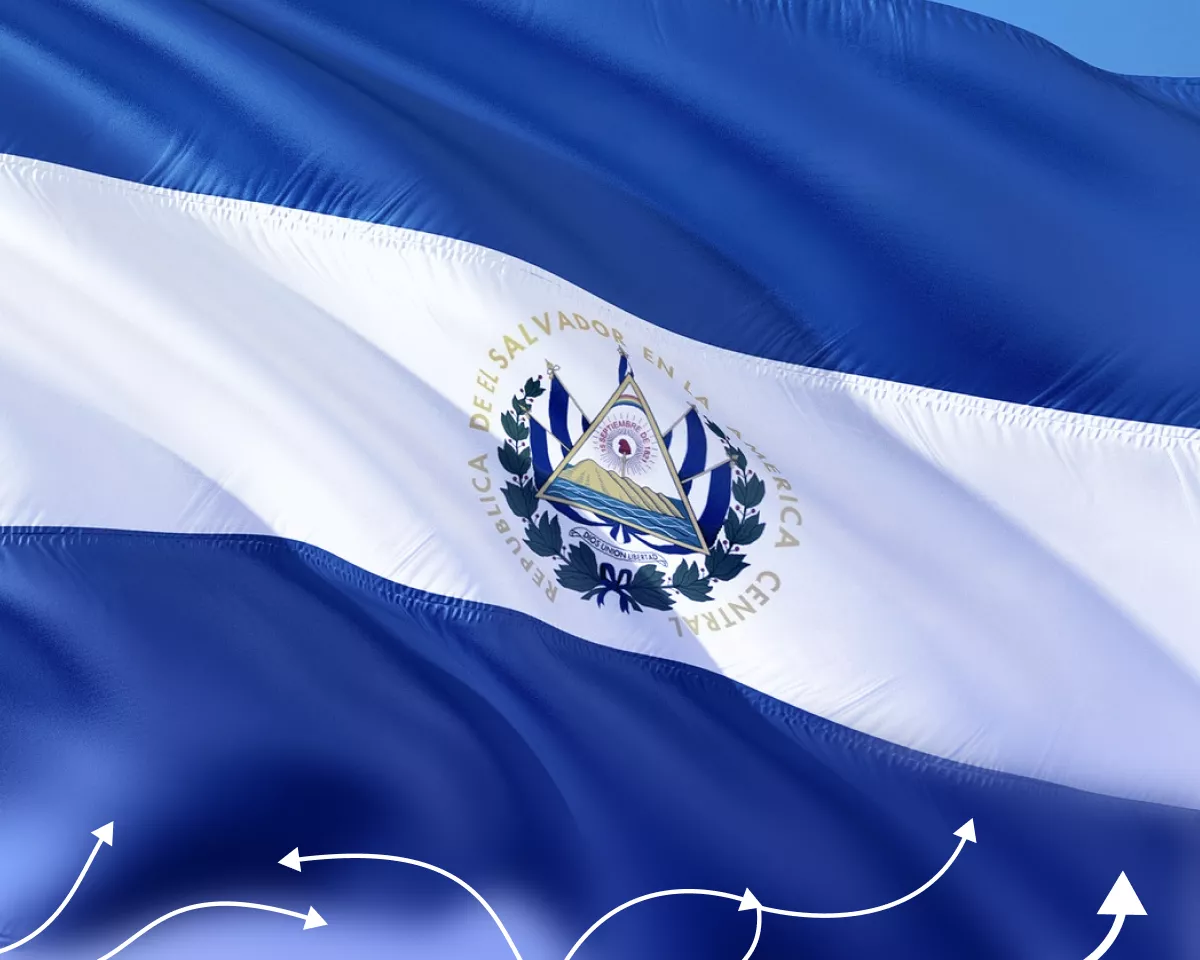
The first cryptocurrency will remain legal tender in El Salvador during Nayib Bukele’s second presidential term, according to Vice President Felix Ulloa in an interview with Reuters.
The vice president stated that the decision was made despite the International Monetary Fund’s (IMF) demand to “review” monetary policy. The organization had expressed concerns over El Salvador’s plans to issue $1 billion in bitcoin bonds and subsequently denied the corresponding loan.
Ulloa emphasized that the emergence of spot ETFs based on digital gold in the United States only strengthens the current administration’s resolve regarding cryptocurrencies.
“Not only will the [law] be maintained. At the moment, it enjoys the greatest trust worldwide,” he added.
Following a likely victory in the presidential elections, as indicated by most polls, Bukele and his party “New Ideas” plan to continue pursuing the issuance of bitcoin-backed bonds and the construction of the tax-free Bitcoin City.
Ulloa also expressed hope that obstacles to IMF funding access will be removed amid a reduction in national debt.
El Salvador’s elections are scheduled for February 4. Meanwhile, as reported by Reuters, public support for Bukele stands at 82%. The nearest competitor, opposition party candidate Manuel Flores, has garnered only 4%.
The current head of state is primarily supported not for his cryptocurrency policy, but for his fight against crime. According to the news agency, in four years of power, Bukele has transformed El Salvador from a country with one of the highest crime rates in Central America to one with the lowest number of murders in the region.
However, to implement their plans, the authorities had to compromise some constitutional rights. For instance, law enforcement can arrest individuals without a warrant, and the government has virtually direct access to private communication means.
“Why change leaders? To go back to the same? We are happy without gangs, and [Bukele] needs power to continue the changes,” said 53-year-old resident Elmer Martinez to journalists.
Currently, more than 2% of El Salvador’s adult population is in prison, leading opponents to label the president a modern autocrat. Bukele himself has repeatedly proclaimed himself “the coolest dictator in the world.”
Earlier, El Salvador’s Vice President Felix Ulloa stated that the legalization of bitcoin in 2021 was a crucial element in the country’s crisis recovery. According to him, the program to combat street gangs and digital gold were key factors in initiating a tourism boom.
A recent survey by the Central American University José Simeón Cañas revealed that 12% of Salvadorans used the first cryptocurrency for purchases of goods and services in 2023.
In December 2023, the authorities introduced the “Bitcoin Freedom Visa.” Under the program, El Salvador offers residency and a chance to obtain citizenship for investments of $1 million through BTC or USDT.
In the same month, the local Digital Assets Commission approved the issuance of bitcoin bonds, Volcano Bond, in the first quarter of 2024.