



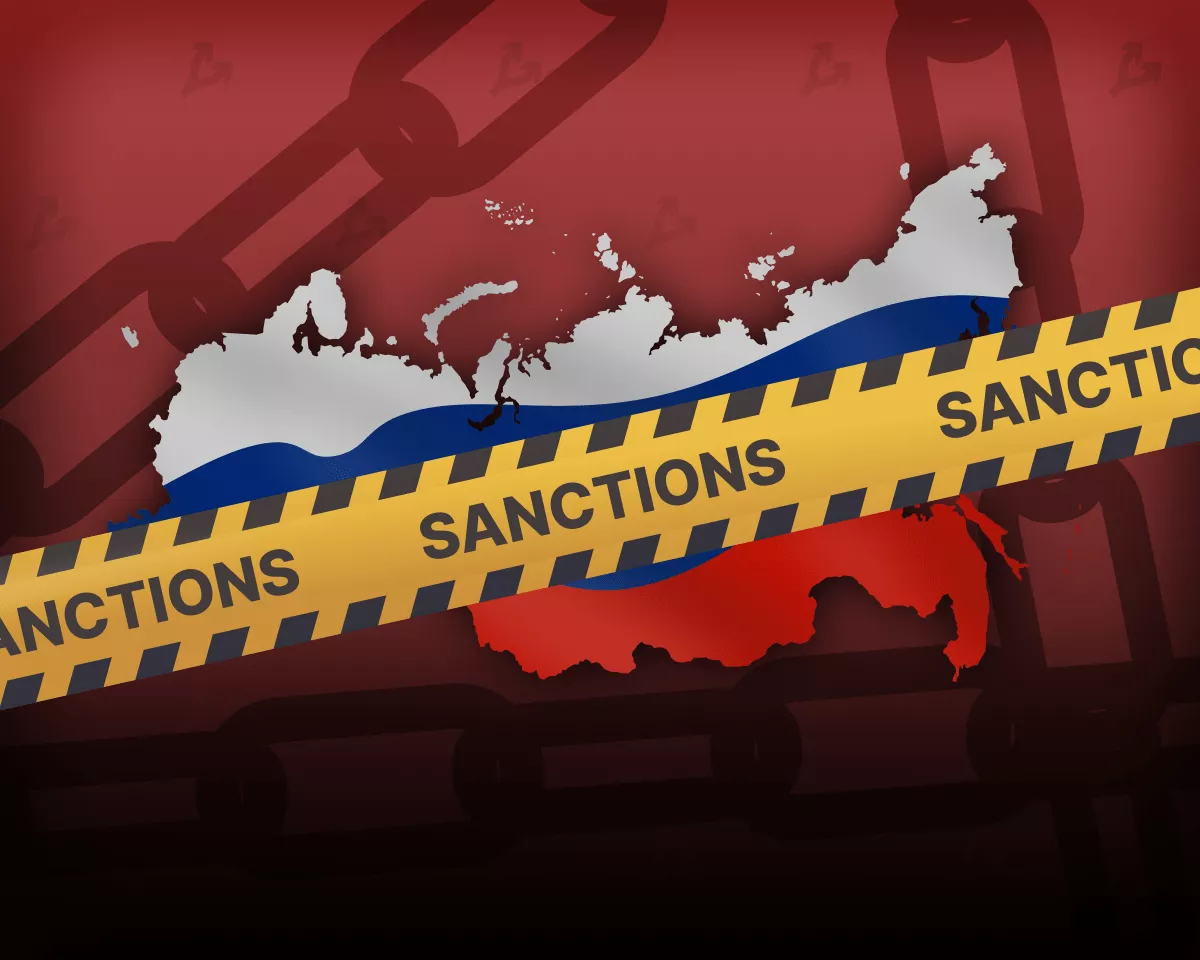
The European Union approved the fifth package of sanctions against Russia over its invasion of Ukraine.
Among the measures adopted by the EU is an ‘expanded ban’ on deposits to cryptocurrency wallets and on the sale of banknotes and securities denominated in any currency of EU member states, to individuals and legal entities from the Russian Federation and Belarus.
The European Commission also said it would ban major cryptocurrency services from offering services in Russia.
The document states that this helps close loopholes in existing restrictions.
Other sanctions include bans on:
- the purchase, import or transfer of Russian coal from August 2022;
- the entry of Russian ships into EU ports;
- the activities of Russian and Belarusian road transport companies, including those transporting goods in transit;
- export of fuel for jet engines, quantum computers, advanced semiconductors, high-tech electronics, software, machinery and transport equipment;
- import of timber, cement, fertilisers, seafood and spirits.
Sanctions also target new companies, businessmen, officials, and individuals spreading ‘the Kremlin’s narrative of Russia’s military aggression in Ukraine’ and family members of those previously sanctioned.
In addition, a full ban is imposed on operations with four key Russian banks, which account for 23% of the market share in the Russian banking sector.
“These sanctions were adopted after the atrocities committed by the Russian military in Bucha and other places under Russian occupation. The aim of the sanctions is to stop the reckless, inhumane and aggressive conduct of Russian troops and to make clear to decision-makers in the Kremlin that their aggression will come at a price,” said Josep Borrell, the EU’s high representative for foreign affairs and security policy.
Earlier in the United States a bill was introduced to empower the Treasury to block cryptocurrency exchange transactions to addresses of individuals on sanctions lists.
Coinbase and Tether said they were prepared to comply with sanctions against Russia. Similar statements were made by MetaMask and OpenSea. After Russia’s invasion of Ukraine, Kuna, WhiteBIT and CEX.io blocked Russian users.
Major South Korean cryptocurrency exchanges have also imposed restrictions on users from Russia.
Follow ForkLog’s bitcoin news on our Telegram — crypto news, prices and analysis.