


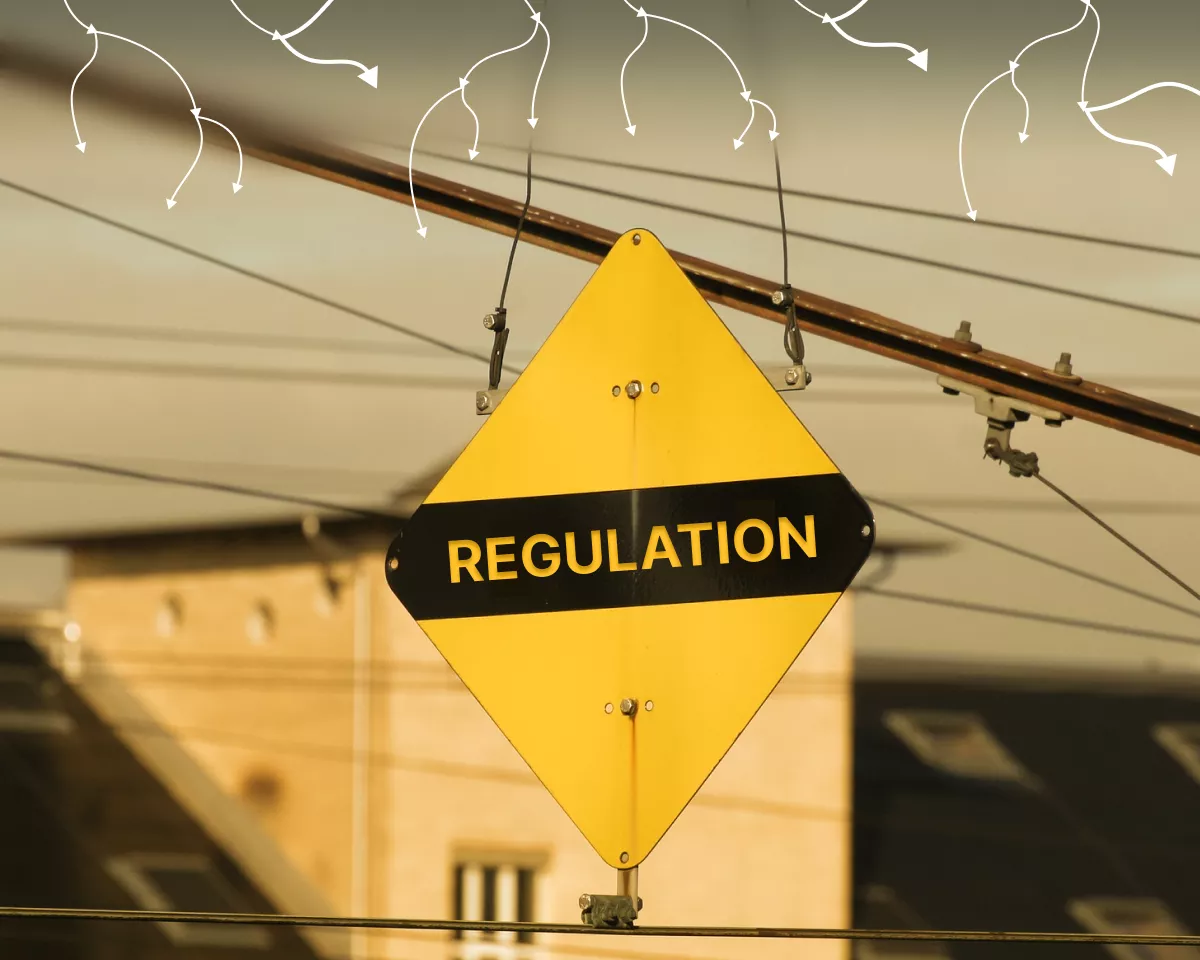
Fintech and Crypto Firms Eye Banking Licenses for Growth
Fintech and cryptocurrency firms are considering acquiring banking licenses to expand their businesses, reduce borrowing costs, and enhance legitimacy, according to Reuters.
These companies are examining the conditions to meet both federal and state-level licensing requirements.
The initiatives are driven by expectations of regulatory changes following Donald Trump’s victory in the U.S. presidential election. Previously, regulatory bodies were slow or reluctant to issue permits.
“We see increased interest and are working on several applications. Our clients are cautiously optimistic and are waiting for the dust to settle [with agency head confirmations],” shared Alexandra Steinberg Barrage, a partner at Troutman Pepper Locke.
According to two other unnamed sources, discussions and document preparations have intensified, but it remains unclear how many firms will decide to proceed.
Despite additional scrutiny, the cost of capital and doing business may decrease, while a license could lend greater legitimacy and expand business opportunities, the publication noted.
Carleton Goss, a partner at Hunton Andrews Kurth, sees the new status as an opportunity to lower borrowing costs by attracting deposits.
New banks will increase competition and serve specific client groups or regions.
Earlier, the OCC issued the first permit since 2021 to fintech company SmartBiz for acquiring Chicago’s Centrust Bank with a federal license.
Administrative Changes
Between 2010 and 2023, agencies approved an average of five new applications annually, compared to 144 from 2000 to 2007. The process could take years, with documents eventually being withdrawn.
The number of applications declined due to low interest rates and burdensome regulations. Following the collapse of Synapse Financial Technologies, agencies proposed tightening rules for banks working with fintech companies, Reuters noted.
There is hope that Trump will introduce a deregulatory regime that will foster business growth, potentially paving the way for new licenses.
Recently appointed agency heads by the president have pledged to prioritize innovation and technology, which is a positive signal for fintech and crypto companies.
Earlier, acting chairman of the FDIC Travis Hill stated that the agency would encourage more companies to obtain bank charters. Michelle Bowman, a representative of the Federal Reserve, emphasized the need to expedite the approval process for new banks.
Challenges
Experts interviewed believe that tightening control over the issuance of bank charters is necessary for financial stability, but the review process could be faster.
Two sources reported that creating a new bank requires between $20 million and $50 million. Access to capital and compliance with anti-money laundering and banking secrecy laws are significant challenges for companies applying for charters.
In February, Trump nominated Jonathan Gould as head of the OCC at the U.S. Treasury. According to Ron Hammond of the Blockchain Association, if confirmed, his appointment could simplify the regulatory framework for cryptocurrencies.
In the same month, Federal Reserve Vice Chair Michael Barr denied allegations of debanking the crypto industry in the U.S.
Earlier, Wyoming Senator Cynthia Lummis threatened the FDIC with criminal charges if the agency indeed destroyed data related to crypto oversight.
Рассылки ForkLog: держите руку на пульсе биткоин-индустрии!