


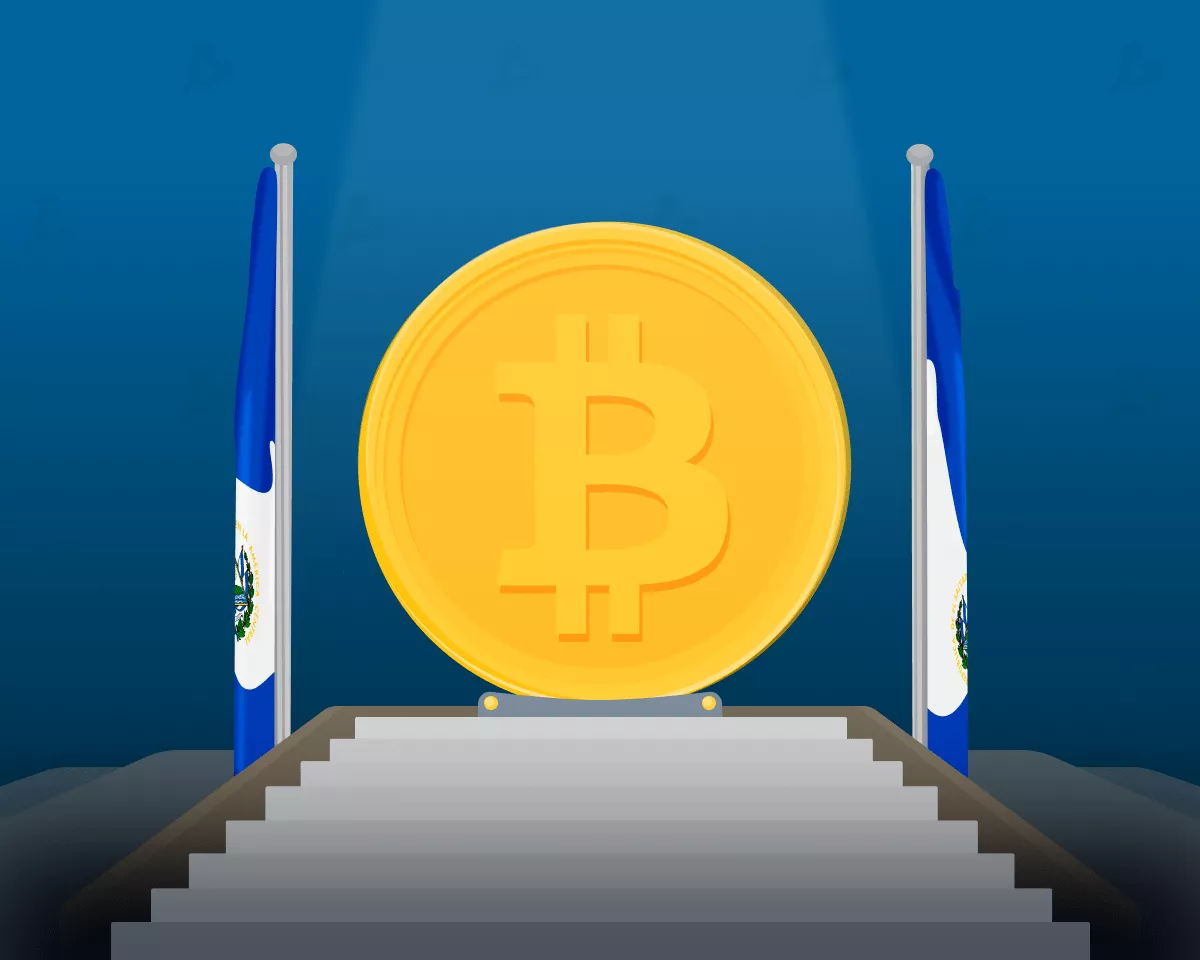
IMF Again Criticises Bitcoin Legalisation in El Salvador
The International Monetary Fund (IMF) has again criticised El Salvador’s authorities’ decision to recognise Bitcoin as an official currency. In its assessment, the organisation stated that the cryptocurrency should not be used as legal tender.
“Considering Bitcoin’s price volatility, its use as legal tender entails risks for consumers, as well as for financial integrity and stability. Its use also gives rise to contingent fiscal obligations.”
The assessment is presented in the IMF’s preliminary conclusions following staff visits to El Salvador as part of Article IV consultations under Paragraph IV of the IMF’s IMF Articles of Agreement. The institution stressed that the conclusions drawn in the review “do not reflect the views of the Executive Board.”
The visiting experts recommended that the government narrow the scope of the Bitcoin law and strengthen regulation, as well as oversight of the new payment ecosystem.
“As with other electronic wallets, Chivo should be required to provide full protection of customers’ funds, both in US dollars and in Bitcoin, through segregation and ring-fencing of reserve assets. It is necessary to immediately introduce tougher regulation and oversight of the payment ecosystem to protect consumers, combat money laundering and terrorist financing, and manage risks,” they wrote.
The experts added that authorities should consider measures to curb contingent fiscal obligations. Among possible steps they noted the closure of state subsidies for Chivo and the closure of the state Bitcoin Trust.
In response to the IMF’s review, Salvadoran President Nayib Bukele stressed that he does not agree with the organisation’s critique of Bitcoin’s legalisation.
The International Monetary Fund (@IMFNews) has just published its technical assessment of El Salvador for 2021.
And while obviously we disagree on some things, such as the adoption of #Bitcoin, the analysis they present of our country is interesting.
Continue… pic.twitter.com/Z8qSv7PntC
— Nayib Bukele 🇸🇻 (@nayibbukele) November 23, 2021
The IMF’s assessment projects that El Salvador’s economy will grow by 10% in 2021. The organisation expects the country’s public debt to reach 85% GDP by year-end.
The law recognising Bitcoin as El Salvador’s official currency took effect on 7 September 2021.
Not all residents welcomed the move. In the capital, a large protest saw demonstrators burn one of the cryptocurrency ATMs.
The IMF had already warned of the risks of legalising the digital gold in the country. The organisation noted that such measures require careful analysis and sound regulatory policy.
In a later note, rating agency S&P Global said that President Bukele’s actions have negative consequences for the country’s credit rating and threaten the achievement of an agreement with the IMF. From the IMF, El Salvador expects to receive $1 billion in financial assistance.
Earlier in November, the government signed a deal with Blockstream and iFinex (the parent company of Bitfinex and Tether) to issue Bitcoin bonds worth $1 billion on the Liquid Network.
Follow ForkLog’s news on VK.
Рассылки ForkLog: держите руку на пульсе биткоин-индустрии!