



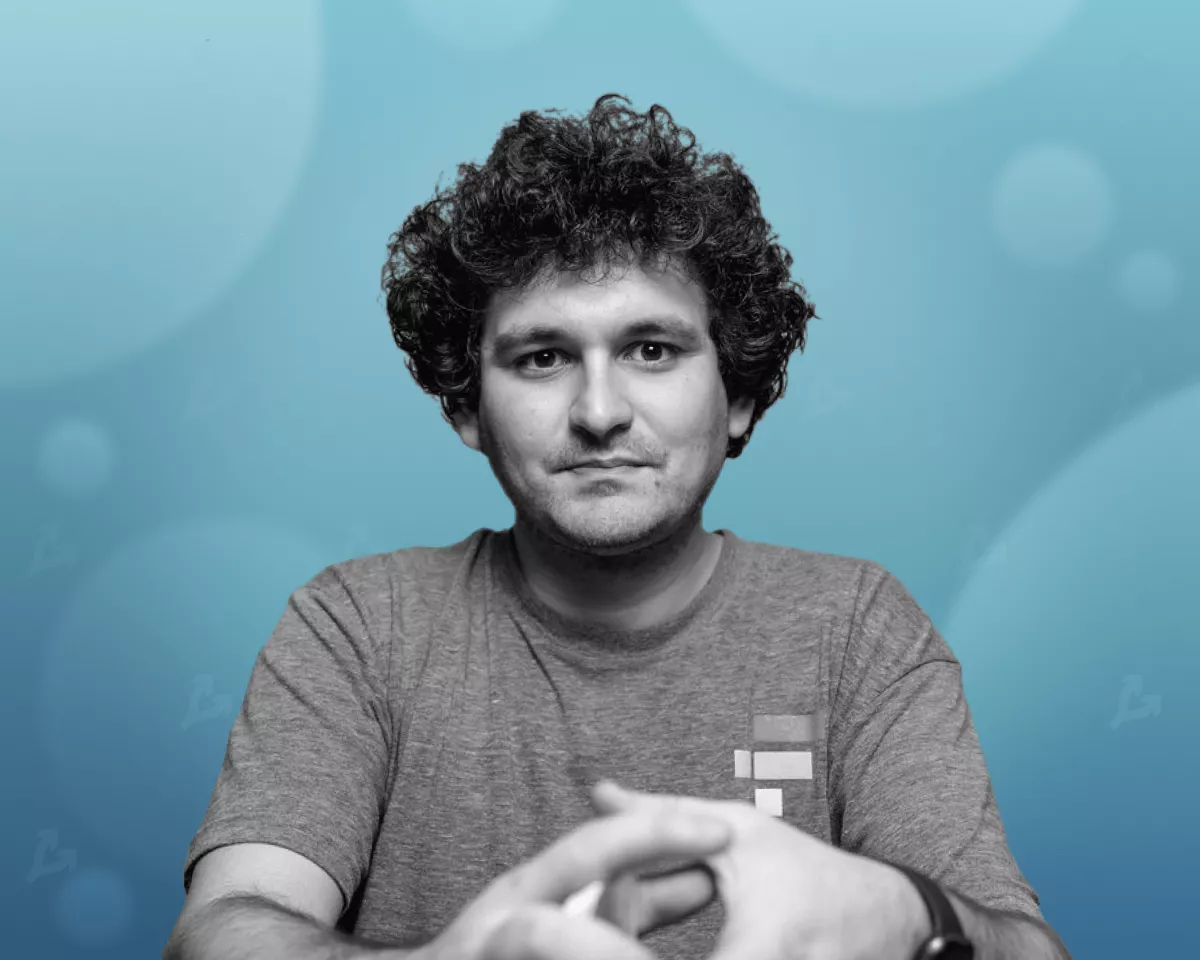
The first court hearing in the case of the former head of the collapsed SBF Sam Bankman-Fried (SBF) will take place in early October. While the founder of the crypto exchange is in prison and preparing his defence, lawyers shared their views on the forthcoming hearings in a discussion with CoinDesk.
Charges and Evidence
Prosecutors face a not insignificant task: proving direct guilt of SBF and persuading the jury. The defendant, in turn, will defend himself, rebutting the authorities’ arguments.
In total, Bankman-Fried has been charged with seven counts.
- wire fraud against FTX customers;
- conspiracy to commit fraud against FTX customers;
- wire fraud against Alameda Research creditors;
- conspiracy to commit fraud against Alameda Research creditors;
- conspiracy to commit securities fraud against FTX investors;
- conspiracy to commit fraud with products against FTX customers;
- conspiracy to launder money to conceal proceeds of wire fraud against FTX customers.
Of these, only the first and third are “substantive”. That is, the U.S. Department of Justice alleges that Bankman-Fried personally and knowingly committed crimes on these counts.
A Withersworldwide lawyer Martin Auerbach noted that for the remaining conspiracy counts, prosecutors would have to prove involvement of other people as well. That is, at least two people must agree and actively act to deceive.
According to Auerbach, sending emails or other attempts to mislead people using online tools fall under the government definition of wire fraud.
Kramer Levin partner Jordan Estes noted that all the fraud charges in this case are similar and linked to SBF, who allegedly lied to clients or creditors. The DOJ, the lawyer added, will likely try to simplify the case as much as possible so that jurors focus on the lie.
If Bankman-Fried’s team manages to prove lack of malice, he could be found not guilty on several counts. Thus, the lawyers’ task is to rebut the DOJ’s arguments.
Perhaps the former FTX chief will appeal to the legal advice he relied on when making managerial decisions. In such a case, he would have grounds to believe he did nothing wrong, Estes said.
The defence team also hopes to call expert witnesses to counter some testimony.
115 years for Sam Bankman-Fried
The Justice Department noted that, under federal guidelines, sentences for wire fraud, conspiracy, and money laundering can carry up to 20 years. Other counts charged against SBF carry five years each.
In total, the maximum sentence on the initial counts against Sam Bankman-Fried would be around 115 years.
However, Kramer Levin’s lawyer says he will serve far less, as such charges are usually bundled together.
Before the judge hands down the sentence, the U.S. Probation and Pretrial Services will prepare a recommendation. They will review the hearing transcript and Bankman-Fried’s biography, and may take his testimony.
“There is no mandatory minimum. … I think there is a way to simplify this case for both the prosecution and the defence. That is ultimately what the proceedings will come down to,” Estes said.
Most experts agree that SBF will serve between 10 and 20 years in prison, given the severity of the charges, client losses and the publicity of the case.
Earlier, Bankman-Fried was charged with 13 criminal offences. Later, prosecutors dropped the charges in financing some politicians as part of a deal with the defense. The founder of FTX pleaded not guilty to none of the counts, including bribery of a Chinese official.
Earlier journalists disclosed the role of SBF’s parents in building the FTX business empire. After this, platform representatives filed suit against them.