



Since the beginning of January, electricity outages have hit cities across Iran, with authorities linking them to Bitcoin mining. Journalists from France 24 found out that many of the mining farms in the country belong to Chinese companies that are trying to hide their presence.
One of the largest Bitcoin farms in Iran belongs to RHY from the PRC and is located near Rafsanjan, a city in Kerman Province in the southeast of the country.
According to France 24, the complex was built in the second half of 2017.


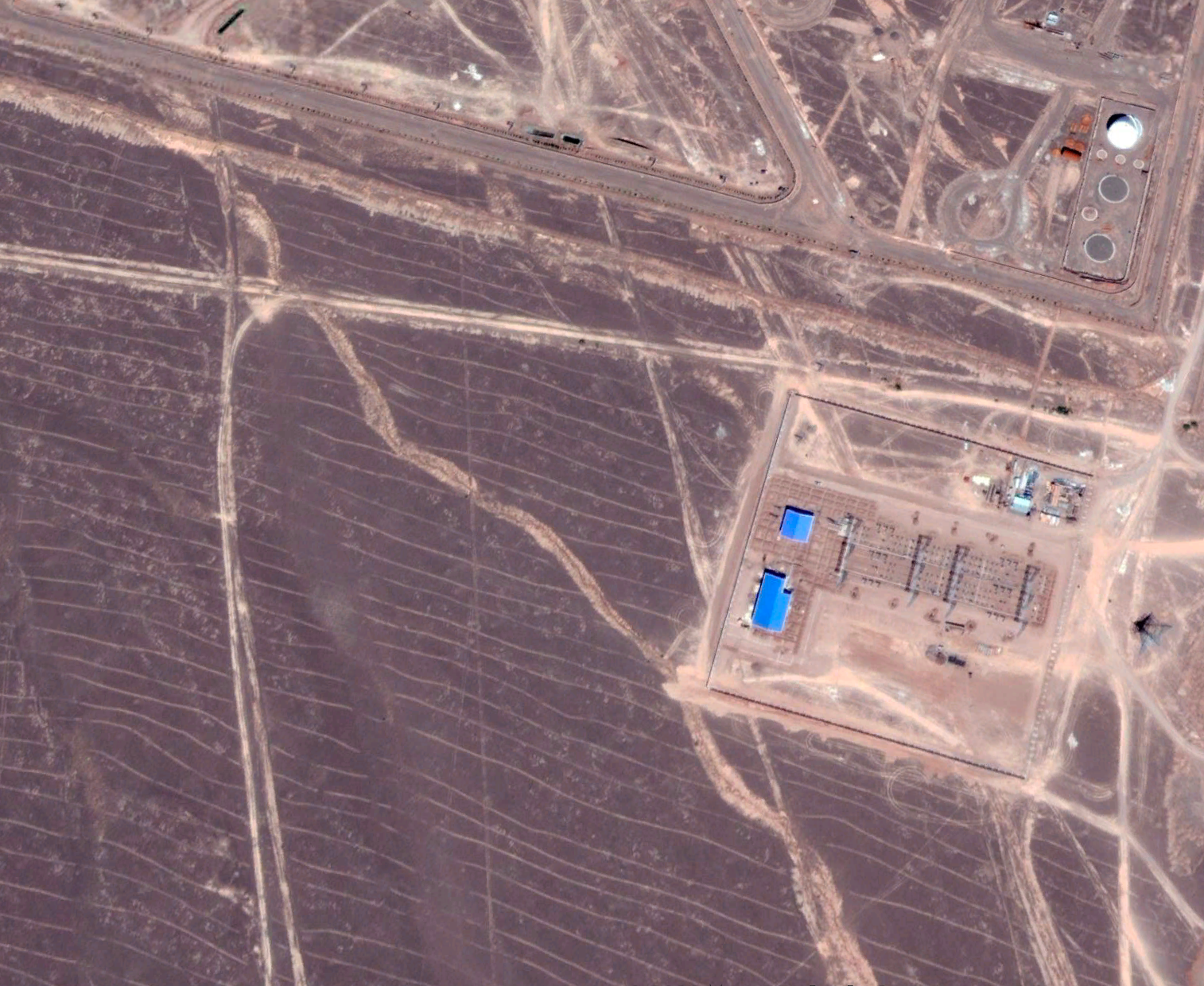
Photo from June 2017. Data: Observers.
Nearby, the power plant is marked by a yellow square in photographs.


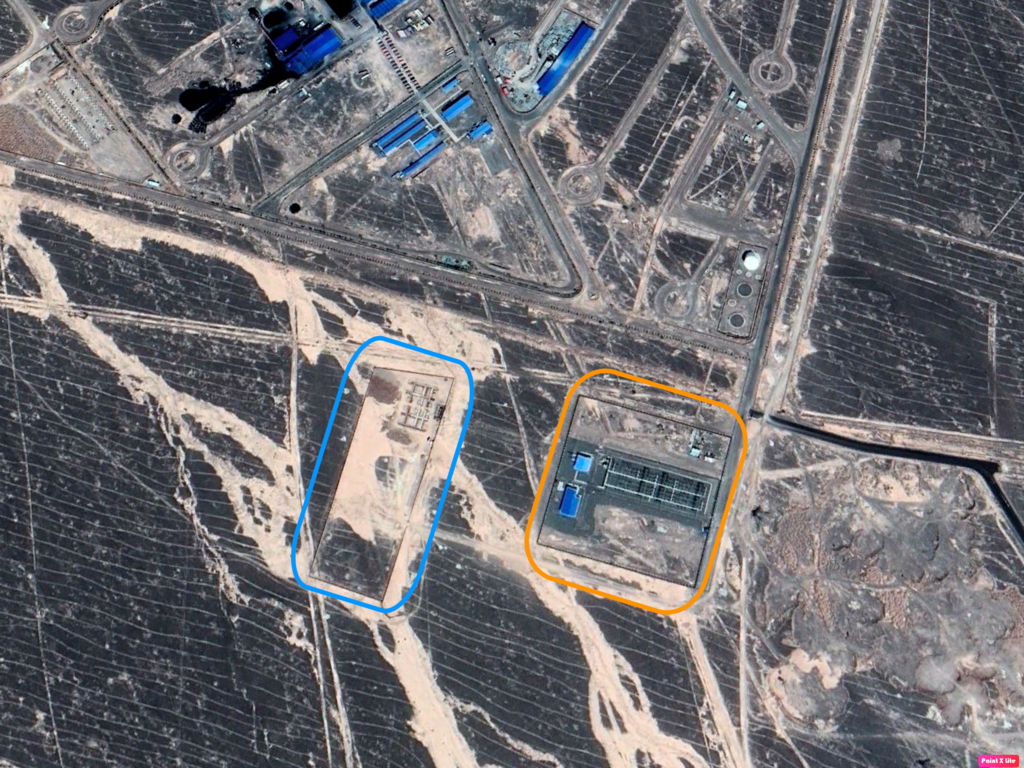
RHY data centre near the power plant, photo from June 2019. Data: Observers.
Construction of the facility has continued to the present.
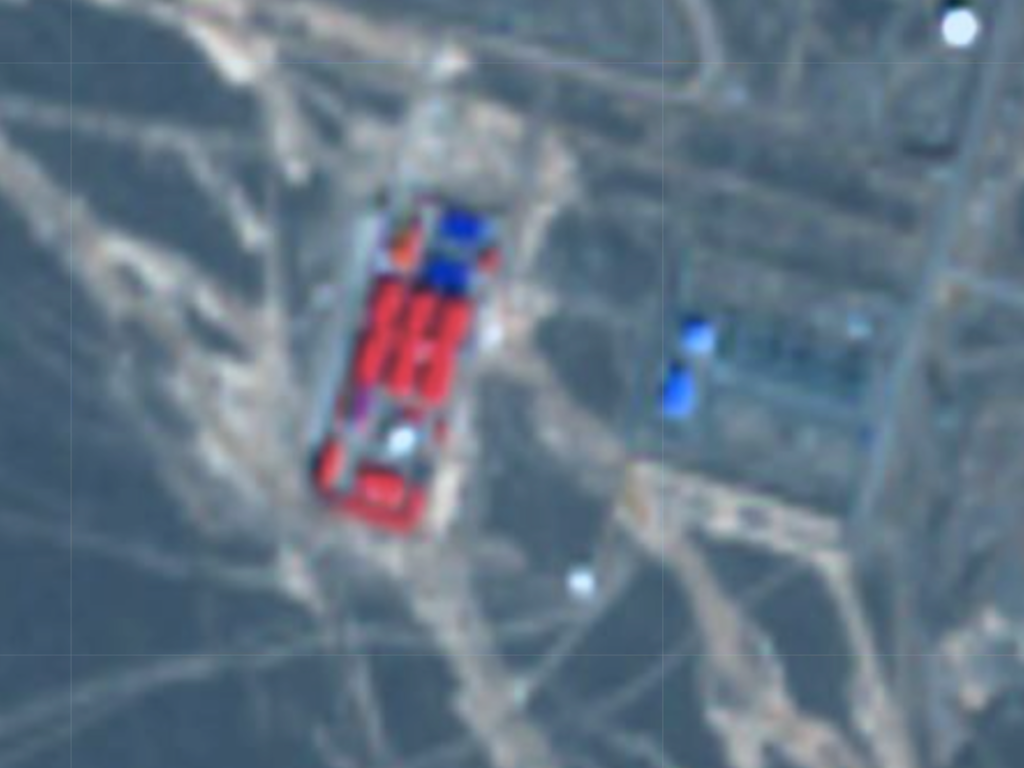
Photo from January 2021. Data: Sentinel.
An undated video from RHY’s site shows that the main construction is already complete and the mining equipment is up and running.

On 13 January, Iranian authorities sought to reassure the public, stating that RHY has obtained all necessary permits and operates with a limited amount of electricity.
However, the company’s site states that the facility consumes 175 MWh, equivalent to the consumption of a city with 30,000 inhabitants or a fifth of the population of Rafsanjan.


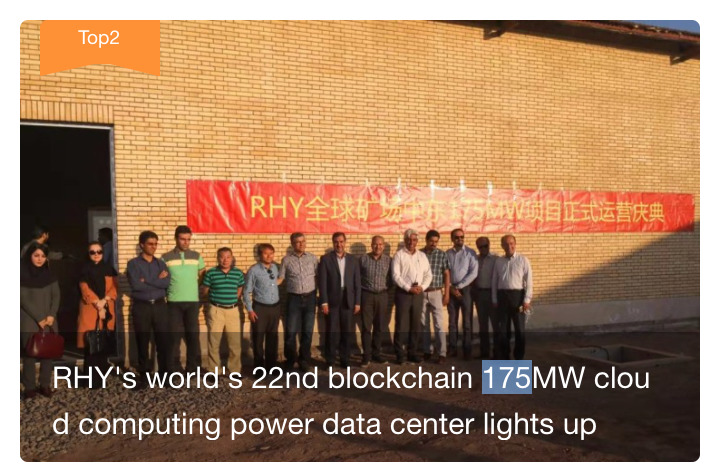
Data: RHY.
A representative of the state electricity company Tavanir said that RHY will suspend operations for two weeks because of power supply interruptions in the country.
Several Iranian media reported another Chinese mining centre in Jolfa in the northwest of Iran. The regional leadership of Tavanir denied the existence of any ‘Bitcoin farms’ in the area.
But France 24 obtained an official registration document for the mining company Zino Kian Aras or ZIKAS in Jolfa in 2019. The investors and directors of the company are Chinese nationals.



Data: Observers.
Journalists managed to find LinkedIn profiles of some ZIKAS employees.


Data: Observers.
The company has no website; its mining centre is not listed on any mapping site, though the address in the registration documents proves it exists. There is no information on its size or energy consumption.
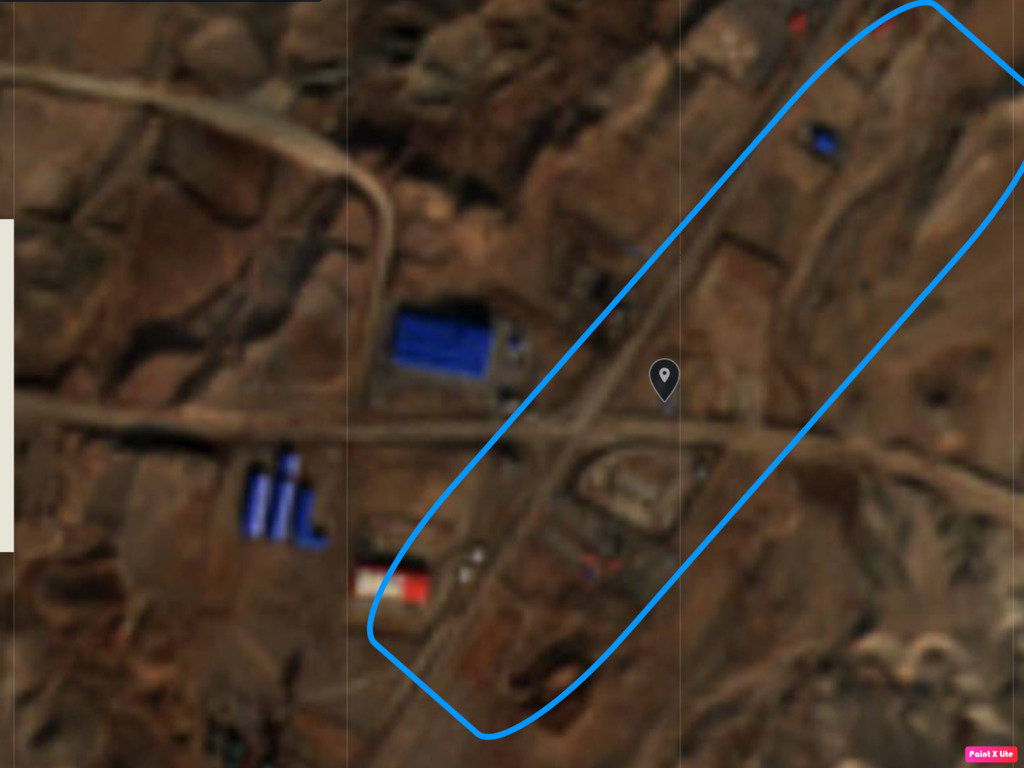
The building appeared in 2019, a few months after ZIKAS was registered. Data: Observers.
In the course of the investigation, France 24 crew found another farm named Mana Pardazesh Asia in Maku in the northwest of Iran.
In the December 2018 license, the names of investors—Chinese nationals—are listed. It is also known that the company built a power plant in the same period and in the same region.



Data: Observers.
Partners of ZIKAS and Mana Pardazesh Asia are named as Iranian citizen Mahmud Nosrati.
Chinese miners are attracted by Iran’s low electricity price — 1.8 cents per kWh. While officials say electricity is sold to miners at ten times that price, Chinese companies operating in Iran say they buy it at 2.7 cents per kWh.
Local experts note that running a mining business in China is impossible without close ties to the government.
Official figures put the number of legal Bitcoin mining farms in Iran at at least 14. It is not known how many of them belong to Chinese companies. Collectively, they consume around 300 MW of electricity, equivalent to the needs of a city of about 100,000 residents.
Independent experts estimate miners’ consumption at around 450 MW of electricity.
In mid-January, mass outages hit major Iranian cities. Officials partially linked the outages to cryptocurrency mining. Later, authorities confiscated 45,000 ASIC miners, which had been illegally connected to the state electricity company Tavanir.
In early 2018, miners began leaving China amid rumours of possible electricity supply restrictions. Bitmain, ViaBTC, and BTC.top announced relocation of some capacity, with BTC.top considering Iran as a possible destination.
Follow ForkLog on Telegram: ForkLog Feed — the full news feed, ForkLog — the most important news and polls.