



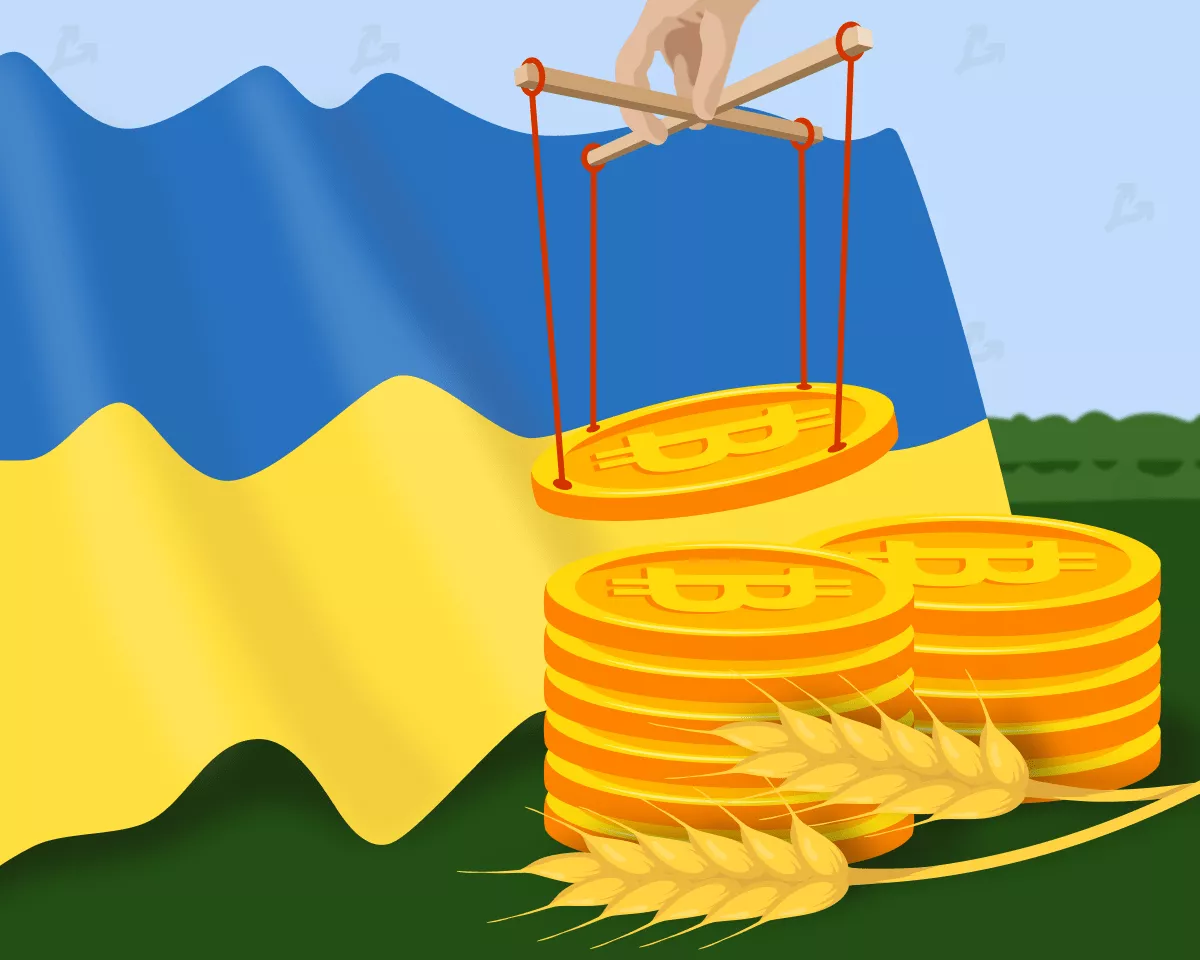
The requirements of the European crypto legislation MiCA are too harsh for Ukraine’s blockchain sector and could limit competition in the market. This was stated by Deputy Minister of Digital Transformation Oleksandr Borniakov in an article for CoinDesk.
For European companies, the MiCA bill creates a single ‘passport’ regime for operating within the EEA, but Ukraine, which currently has only candidate status for EU membership, will not be able to grant them similar rights. This could significantly limit the attractiveness of the jurisdiction, the official believes.
Borniakov pointed to the abundance of rules for crypto-asset platforms and token issuers, as well as requirements for excessive disclosure of information.
„These requirements may be manageable for mature crypto players who have spent some time operating in the EU market, possess significant capitalization, and can easily cover the main legal costs under the new regulation,” he explained.
In Ukraine, though the birthplace of many crypto startups, there is still no functioning legal framework for the crypto market.
„Strict regulatory rules will restrict competition in the Ukrainian crypto market. Few players will be able to cope with the overly burdensome requirements and obligations,” the deputy minister added.
Costs of compliance could range from €2.8 million to €16.5 million, creating a barrier for new CASP. Moreover, the situation risks higher costs for crypto-platform services, which is not what Ukrainian users want during wartime.
The MiCA regulation creates a legal vacuum for crypto assets outside its scope.
„In particular, the provisions of MiCA will not apply to NFT. Therefore, with the adoption of these rules, the tokenisation of unique real assets in Ukraine will become much more complex,” Borniakov said.
To avoid the outflow of crypto business from the country and gradual tax relief for this sector of the economy, the deputy minister proposed at the initial stage to adopt the most technically feasible provisions of MiCA.
„Thus, we could avoid excessive regulation of our developing crypto market, allowing companies to grow their business and gradually adapt to the new regulatory regime,” he noted.
A full alignment of Ukrainian legislation with European standards should be pursued only after the country gains EU membership, Borniakov concluded.
Earlier in June, the НКЦБФР of Ukraine presented a bill regulating the taxation of cryptocurrency operations in the country, and an updated text of the Law on Virtual Assets with implemented provisions of the European MiCA regulation.
Lawyers pointed to problems in the tax bill, and civil activists proposed partially exempt cryptocurrency holders from taxes.