


Mind over machine: how AI is transforming brain–computer interfaces
Brain implants, or neuroimplants, are moving rapidly from research into real-world use. Placed on the surface of the brain or attached to its cortex, these devices are opening new possibilities in medicine and neuroscience.
The main goal of modern neuroimplants is to create biomedical prostheses that can bypass areas of the brain damaged by stroke or other disease. Applications range from restoring sensory functions such as vision to enabling movement and communication for people with severe injuries.
A key component is the brain–computer interface (BCI). It creates a direct link between neural systems and computer chips, opening new horizons for treating and rehabilitating patients with a variety of neurological disorders.
In recent years advances in artificial intelligence have markedly accelerated progress in neuroimplants. AI not only improves the processing of brain signals but also enables more adaptive and effective BCI systems.
ForkLog looks at how AI is reshaping neuroimplant technology, how it is influencing scientific progress, and what prospects it holds for medicine and society at large.
From science fiction to reality: the benefits of integrating AI into BCIs
For decades neurosurgeons have used brain implants to treat Parkinson’s disease and other movement disorders. Deep brain stimulation has helped more than 160,000 patients.
Adding AI promises to make these technologies more effective still, extending their use to restoring hearing, vision or speech. This is achieved by reading brain-activity signals, interpreting them with AI and reproducing the intended actions.
AI-processed data also improves control of bioprostheses. Motorised limbs can carry out actions a patient intends, much as healthy people move their arms and legs.
What is more, AI implants could potentially enhance cognition or even memory—though this area remains constrained by strict medical regulations.
How AI deciphers the brain
Integrating machine learning, deep learning and neural networks into BCI systems is enabling new heights in decoding complex brain signals and adapting to individual needs. Algorithms can interpret mental activity during motor imagery tasks.
In signal processing and analysis, AI extracts salient features from neural data and suppresses various kinds of noise. That boosts the accuracy and reliability of the data collected—critical for BCIs to work well.
AI also supports adaptive interfaces that adjust to the user’s characteristics and preferences, greatly improving usability.
The symbiosis of AI and neuroimplants not only improves today’s technology but also paves the way for more capable, intuitive links between brain and computer systems, ushering in a new era of human–machine interaction.
From cursor control to 3D design: real-world uses of BCIs
BCI technology already lets users control a cursor with thought alone, dispensing with traditional input devices. AI-based brain–computer interfaces also enable predictive text entry by analysing brain signals and anticipating the words or phrases a user intends.
In medicine, AI-enabled BCIs are transforming assistive technologies, neurorehabilitation and the diagnosis of brain disorders, paving the way for personalised treatment strategies.
One of the latest demonstrations came from Neuralink. Weeks after receiving an implant, its patient was able to play video games and use 3D design software.
Less than five minutes after the device was connected he began to control the cursor with thought, and within hours set a world record for BCI mouse speed and accuracy.
The dark side of neurotechnology
For all its promise, putting AI chips into human brains comes with serious risks and ethical concerns.
Cyberattacks could steal data or disable a device. In theory, that would have catastrophic consequences for the user.
The high cost could put such technology out of reach for lower-income patients, entrenching a new kind of inequality. Implanting AI chips also raises fundamental questions about human nature and identity.
Technical hurdles remain substantial, too. Collecting, transmitting and interpreting brain signals are still at an early stage. The invasiveness of surgery limits use to cases of severe disability.
Ethical issues around the collection, storage and use of brain data are significant. Protecting user privacy and ensuring informed consent are paramount.
Who will lead the brain–computer interface revolution?
BCI development is advancing quickly, with several key players at the front of the pack. The most high-profile is Elon Musk’s Neuralink.
In January 2024 the startup performed its first human implantation of the Link device. As a result, 30-year-old paraplegic Noland Arbaugh was able to control a computer cursor by thought.
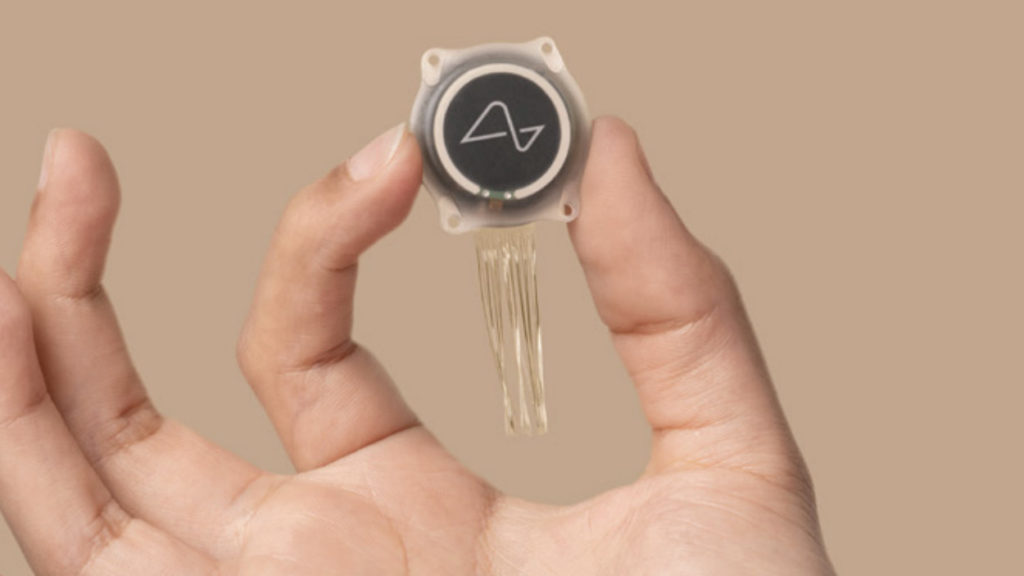
Synchron, a Neuralink rival backed by Bill Gates and Jeff Bezos, has already implanted its device in ten people. Its distinctive approach uses a stent to deliver electrodes without direct brain surgery.
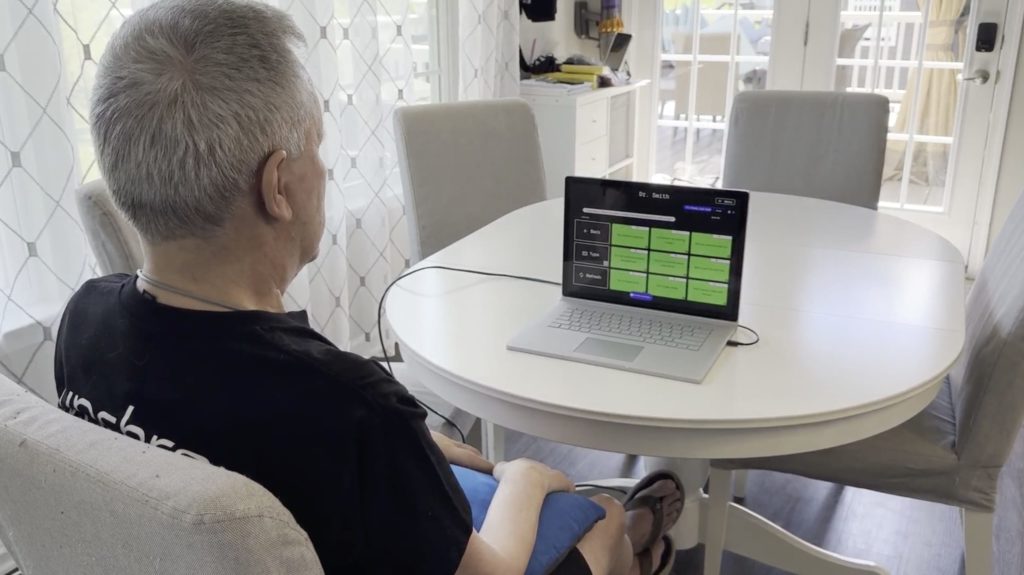
Motif Neurotech is developing a minimally invasive interface that penetrates only the skull. Its DOT device has shown promise in brain stimulation and may be useful in treating mood disorders.
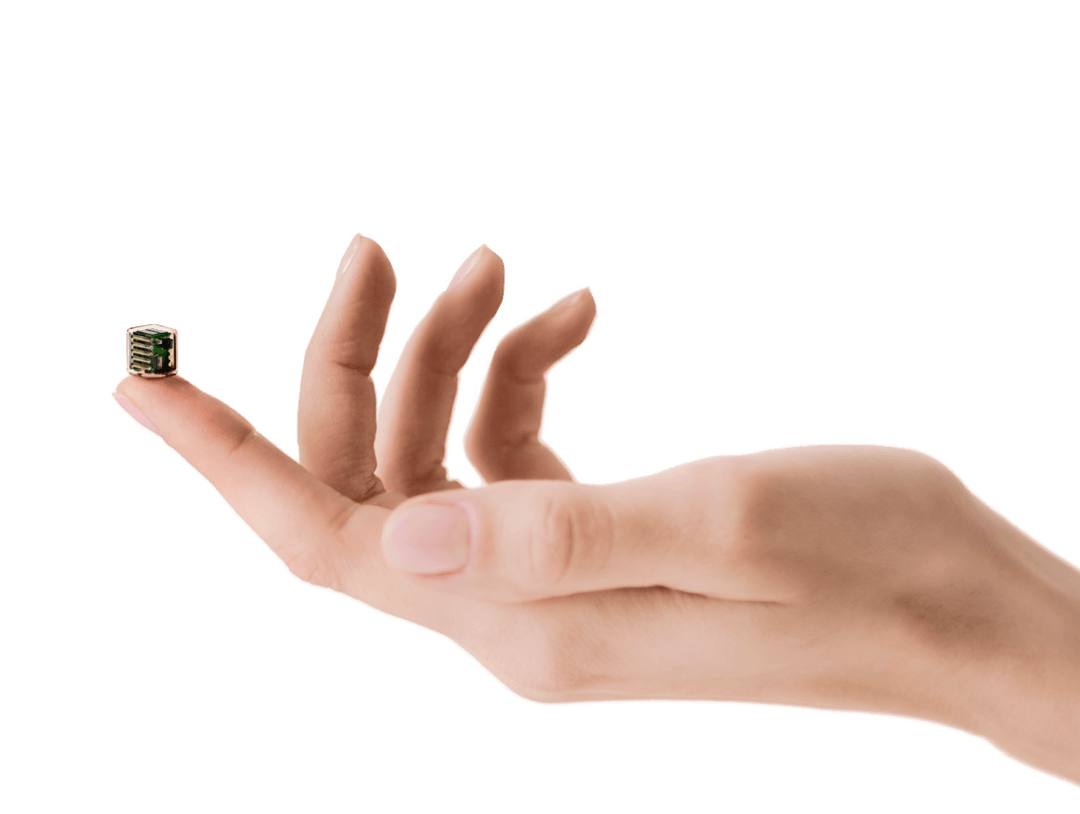
Blackrock Neurotech leads in human trials. Its MoveAgain device received FDA Breakthrough Designation in 2021.
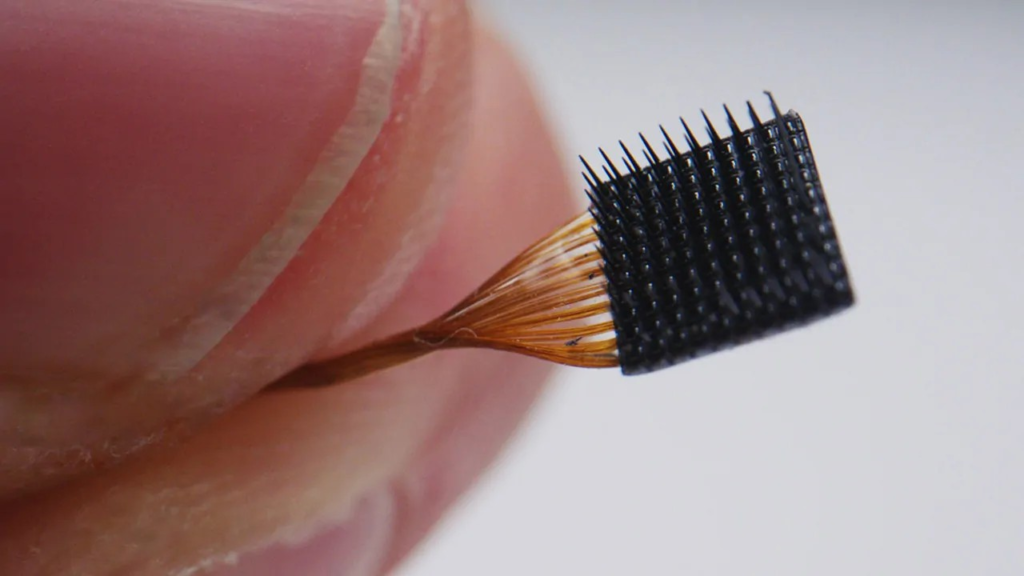
Paradromics is building a high-speed interface but has yet to conduct human trials. Precision Neuroscience, for its part, has created a flexible electrode array as thin as a human hair that can be implanted through a small incision.
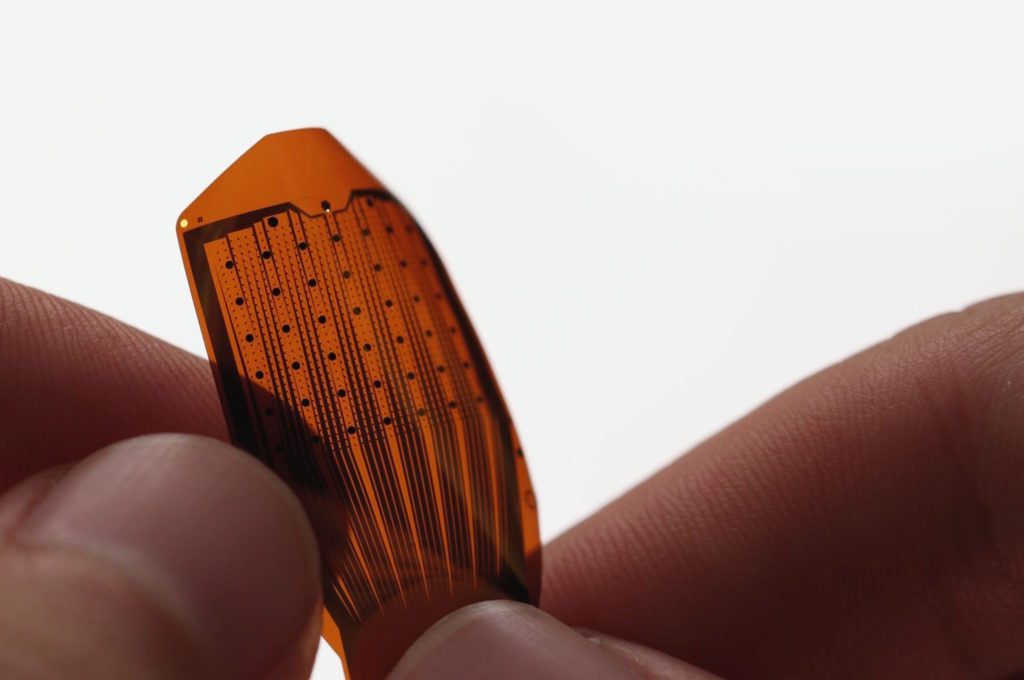
Different approaches, same aim: to decode a user’s intentions from brain activity. According to forecasts, the BCI market could reach several billion dollars in the coming years.
Brain–machine synergy: conclusions
Combining BCIs with artificial intelligence marks a new step in neurotechnology, opening unprecedented opportunities to augment human capabilities and tackle complex medical problems.
But responsible development is essential. User privacy, ethical use of neurodata and equitable access to BCI benefits should be core priorities.
Transparency in research and development, along with interdisciplinary collaboration, will be crucial to realising BCIs’ potential while upholding basic rights and human dignity. By balancing ethics and innovation, neurotechnology can serve humanity while remaining safe and fair.
Рассылки ForkLog: держите руку на пульсе биткоин-индустрии!