



Science, the company owned by Neuralink co-founder Max Hodak, unveiled the Science Eye neural interface to treat eye diseases that cause blindness.
The startup focuses on photonics. Its specialists do not implant chips deep in the brain as Neuralink does, but instead use light and the eye’s optic nerve.
Science Eye is a thin LED film 2 ml wide that is implanted on the surface of the retina behind the eyelid. The operation lasts about two hours, but in the future the company plans to cut this time in half.


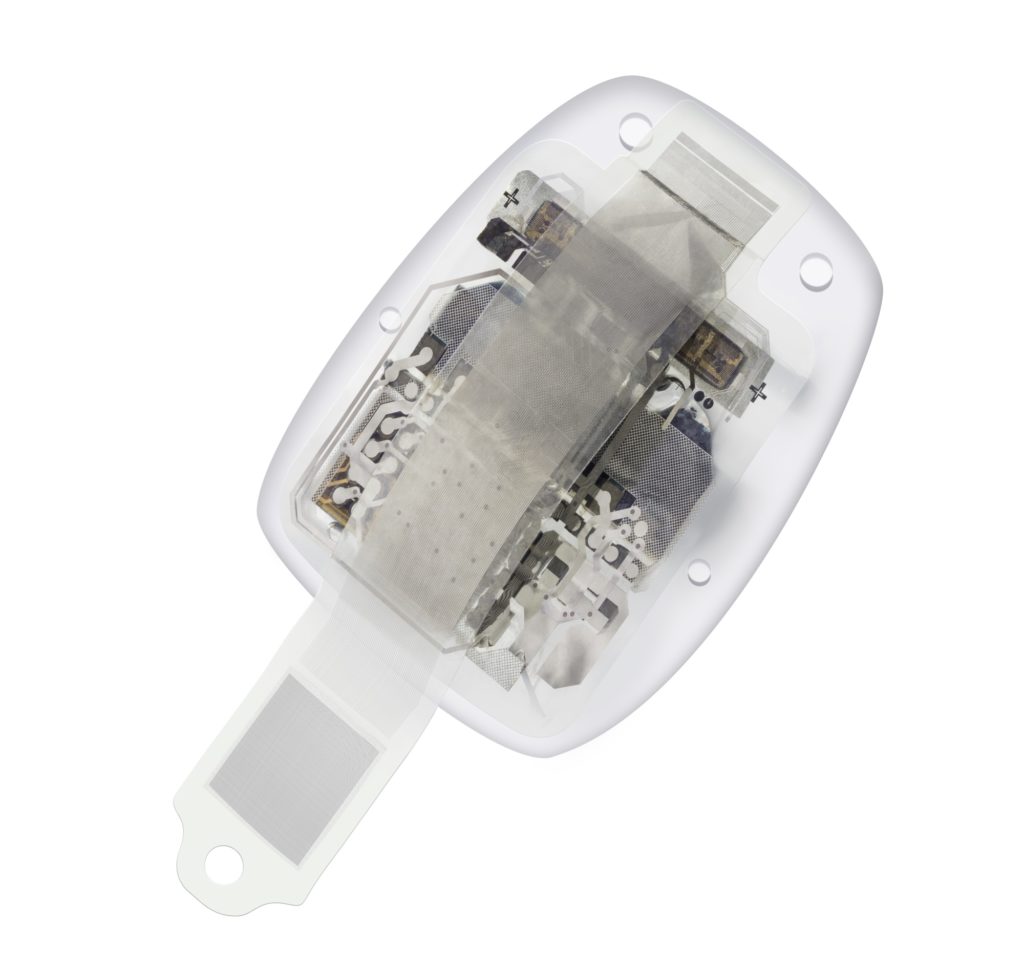
For the device to function, the cells of the optic nerve must become light-sensitive. To achieve this, specialists inject an artificial protein into the eye.
After implantation, the patient must wear special glasses with built-in cameras and a processor. They convert images into patterns that the visual nerve can read and transmit the data wirelessly to the LED film for processing.
The startup notes that the system is intended to treat retinitis pigmentosa and macular degeneration.
Scientists at Science have already tested the device on rabbits. In the next two years the company plans to begin human trials.
Science was founded in 2021 and has already attracted $160 million.
In October, scientists at the University of California, San Francisco, developed a neural interface, that converts brain waves into words.
In February, animal-rights activists accused Neuralink of causing ‘severe suffering’ to the monkeys used in experiments.
In January, Pixium Vision developed an AI-based eye implant that restored the sight of a woman who was nearly blind.
Subscribe to ForkLog news on Telegram: ForkLog AI — all the news from the world of AI!