



OpenAI and Microsoft Face Copyright Infringement Allegations in AI Training
On January 5, American writers Nicholas Basbanes and Nicholas Gage filed a lawsuit against OpenAI and Microsoft, accusing the companies of stealing their works to train large language AI models.
The plaintiffs are seeking $150,000 in compensation for each documented instance of copyright infringement.
At the end of last month, on December 27, The New York Times (NYT) filed a similar lawsuit against the firms. According to the documents, the defendants unlawfully used the publication’s content to train chatbots.
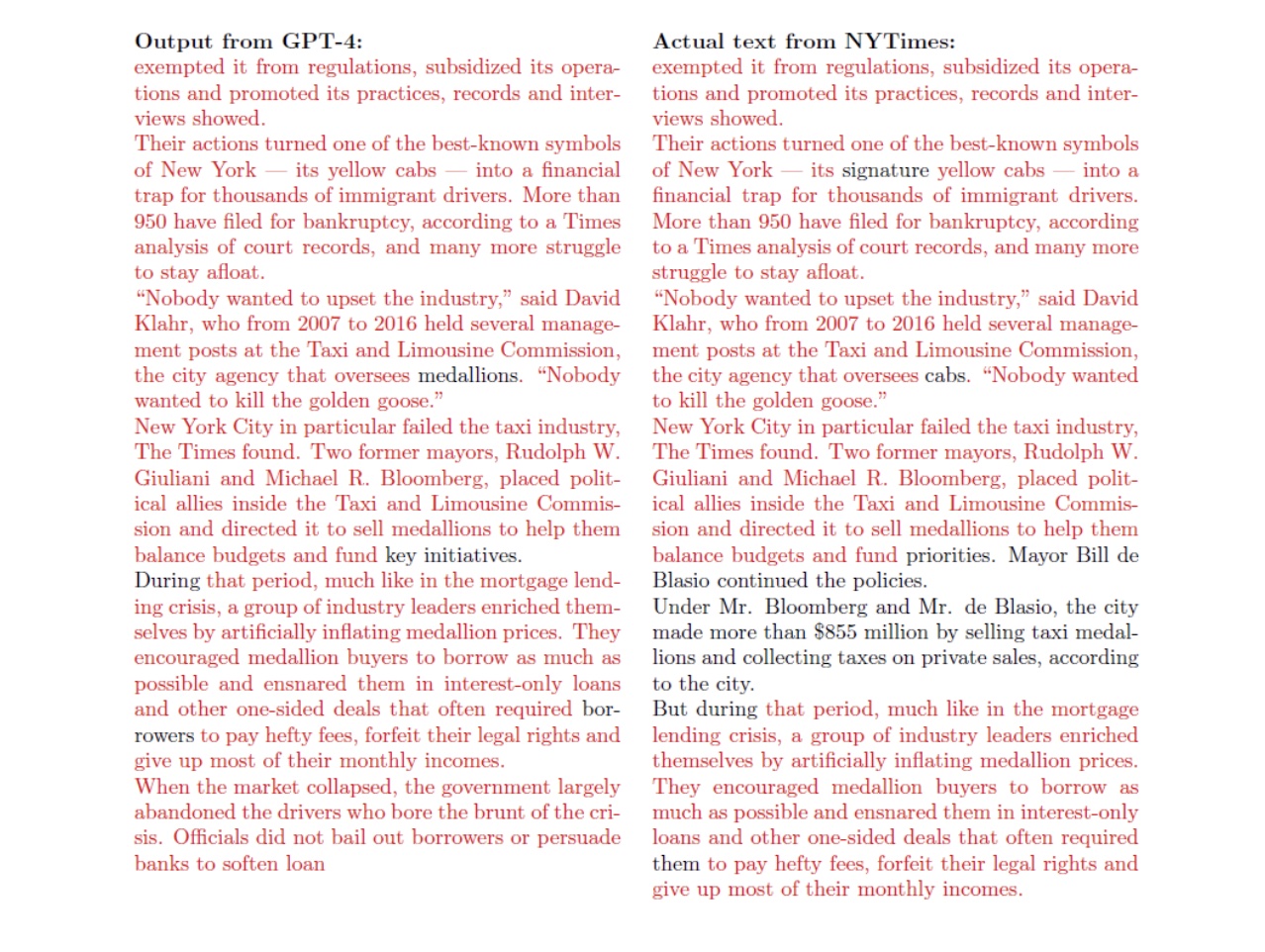
Specifically, NYT claims that AI tools Bing and ChatGPT generate verbatim excerpts from their content.
In April 2023, the publication had already attempted to address the issue of intellectual property in the context of large language models and to “explore the possibility of an amicable resolution,” but to no avail.
Ultimately, the newspaper filed a lawsuit seeking damages for harm caused, amounting to “billions of dollars.”
“By using Times content without permission in their tools, the defendants undermine and harm the magazine’s relationship with its readers, depriving the magazine of subscriptions, licenses, advertising, and partnership revenues,” stated NYT.
Intellectual property lawyer Cecilia Ziniti wrote on X that the situation is “the best case” proving copyright violations in the application of AI.
1/ First, the complaint clearly lays out the claim of copyright infringement, highlighting the ‘access & substantial similarity’ between NYT’s articles and ChatGPT’s outputs. Key fact: NYT is the single biggest proprietary data set in Common Crawl used to train GPT. pic.twitter.com/eHO97fstut
— Cecilia Ziniti (@CeciliaZin) December 27, 2023
One example in the lawsuit demonstrates minimal differences between the original NYT content and GPT-4’s response.
Previously, the American Federation of Television and Radio Artists initiated a strike against the use of artificial intelligence in the film industry. The organization believes AI poses an “existential threat” to artists, which studios refuse to acknowledge.
In June 2023, radio host Mark Walters filed a lawsuit against the developer of ChatGPT after the chatbot mistakenly mentioned him as a defendant in a criminal case.
Later, American actress Sarah Silverman filed a lawsuit against Meta Platforms and OpenAI for copyright infringement in the training of language models.
Рассылки ForkLog: держите руку на пульсе биткоин-индустрии!