


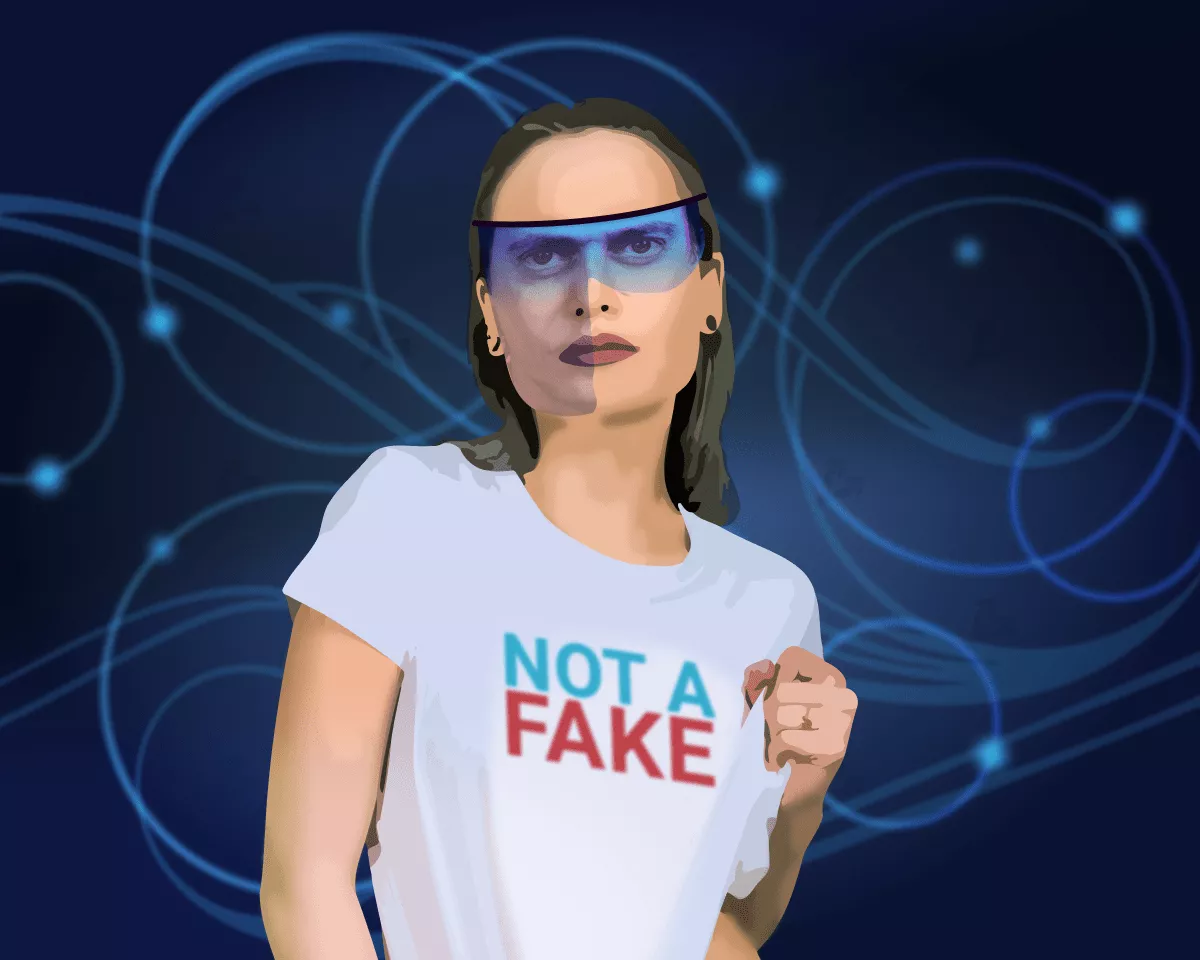
Researchers streamline the process of creating deepfakes
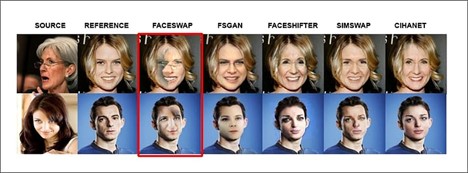
A group of Chinese and American researchers разработала CihaNet, an algorithm for creating deepfakes that eliminates the edge-masking problem when swapping faces. This makes the deception more realistic.
According to the developers, CihaNet does not require large and exhaustive datasets, and training takes days rather than weeks.
For example, in the experiment the researchers used two popular celebrity-image datasets and a single NVIDIA Tesla P40 GPU. This configuration allowed the neural network to realistically swap faces in just three days.
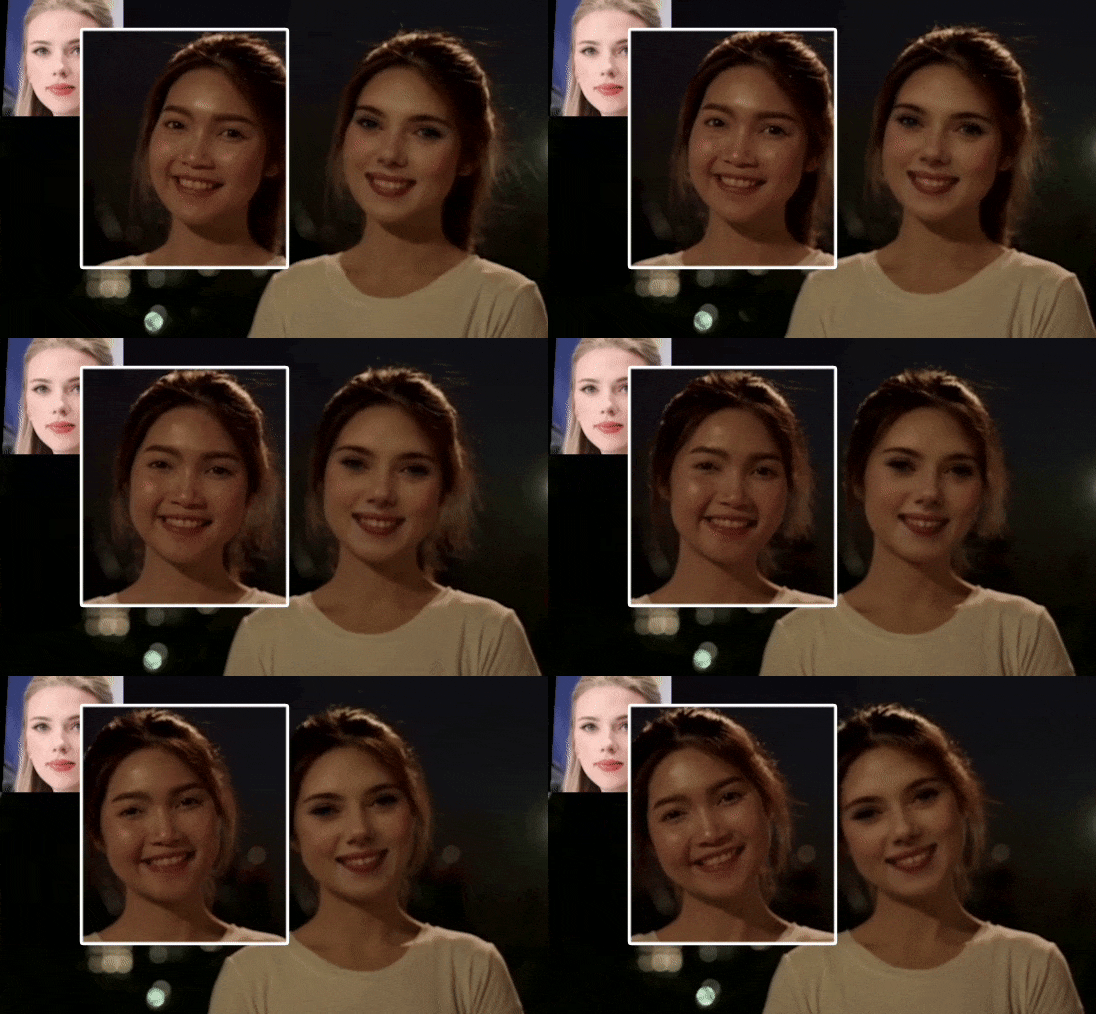
The new approach eliminates the need to crudely embed the transplanted identity into the target video, which often yields artifacts at the boundaries between the two faces. This has significantly reduced the need for further post-processing of the video, saving time and resources, according to the paper.
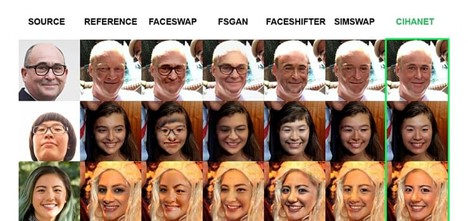
To achieve such results, the researchers used a ‘hallucination map’. According to them, this enables the algorithm to determine context more effectively and blend faces at a deeper level.
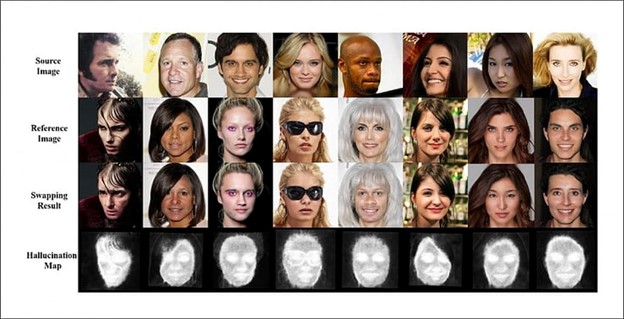
The presented model, unlike the rigid mask-overlay method, can swap faces between two photos taken from different angles.
The researchers did not disclose plans to release the tool publicly.
In October, the software maker Adobe unveiled tools for animating photographs and creating deepfakes.
In September, researchers explained how to distinguish fake photos from real ones.
In April, the CEO of Pinscreen stated that the number of deepfakes on the internet doubles every six months.
Subscribe to ForkLog’s Telegram news: ForkLog AI — all the news from the world of AI!
Рассылки ForkLog: держите руку на пульсе биткоин-индустрии!