


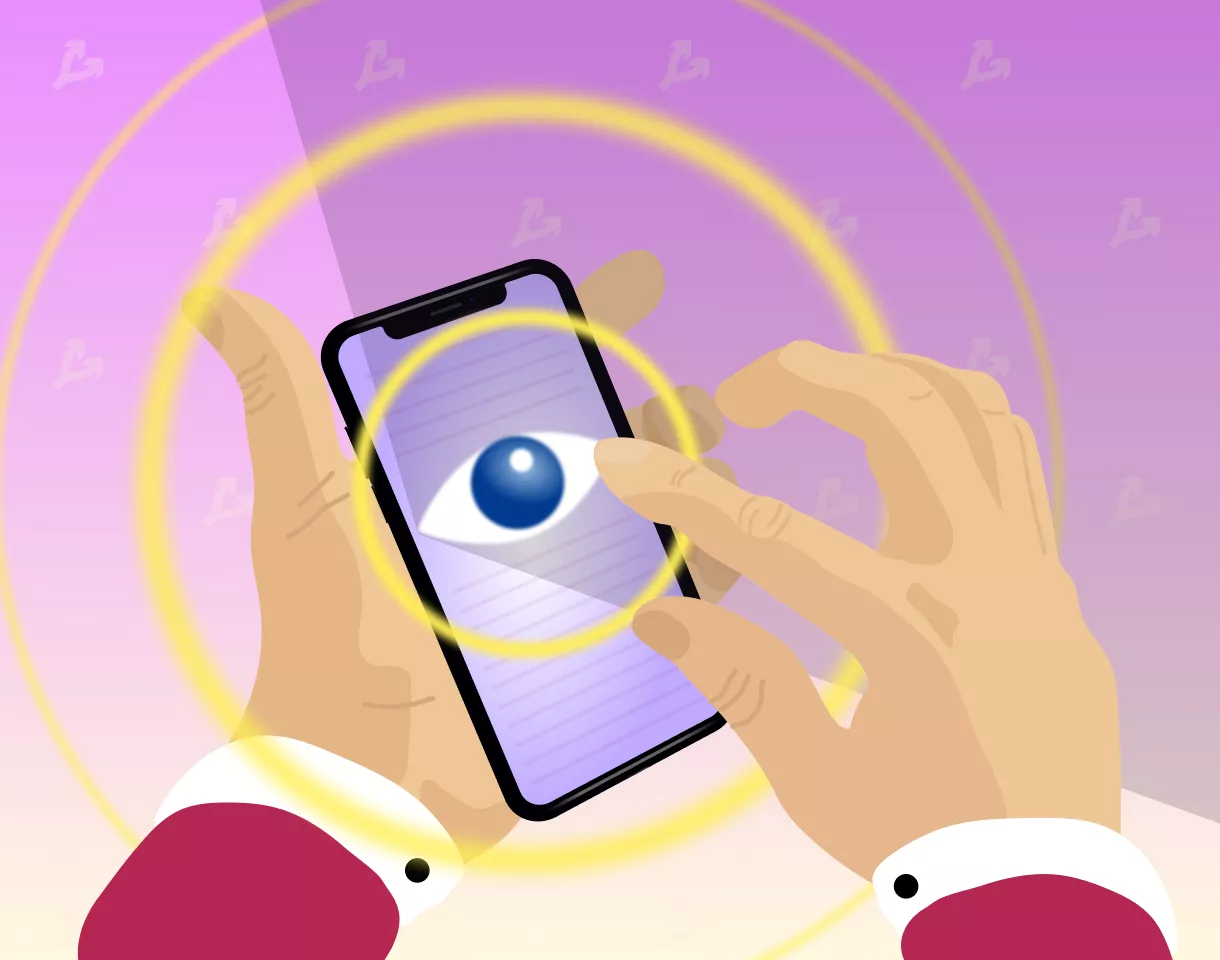
Roskomsvoboda studies government surveillance methods during the pandemic
The public organization Roskomsvoboda, as part of the Pandemic Big Brother project, released a report on the main surveillance tools deployed by governments around the world under the pretext of curbing the spread of the coronavirus.
In brief:
- Authorities in various countries signed agreements with local telecommunications operators to share citizens’ geolocation data.
- Facial recognition technologies were used to identify violators of mandatory quarantine.
- Since the launch of the Pandemic Big Brother interactive map, at least 135 government apps have been found in 116 countries.
- During the pandemic, Russians were fined more than 1.1 million times for violations of coronavirus-related restrictions.
- Drones became a popular method of monitoring compliance with self-isolation rules.
Government mobile applications
Contact-tracing apps became one of the most popular digital solutions launched by governments to curb the spread of COVID-19. During the monitoring period, 135 ‘coronavirus’ apps were found in 116 countries.
In some countries where installation of tracing apps was mandatory, refusing to install the app could result in a fine.
In some cases, government apps were used for overt surveillance of citizens and violated their right to privacy.
China and Singapore were among the first to track the contacts of people infected with COVID-19. Singapore’s TraceTogether app, based on Bluetooth technology, later became a model for developers of ‘coronavirus’ apps in other countries.
Not all of the apps documented by researchers violate privacy and other digital rights, but most of them monitor device location, store that information, and transmit it to other devices and third parties in some form.
“Surveillance apps for people undergoing home treatment or mandatory quarantine infringe more on citizens’ privacy rights. These apps require a continuously active geolocation signal, sometimes also Wi-Fi and Bluetooth, on users’ devices and may request a selfie to confirm that the person is at home”, Roskomsvoboda explains.
In Russia, since April 2020, authorities launched four official government apps for contact tracing, issuing digital passes, and monitoring citizens under quarantine.
Face recognition
Video surveillance technologies, including facial recognition, were used by governments around the world to identify violators of mandatory quarantine. The only country where the use of facial recognition technology is prohibited by law is Belgium.
Tests of facial recognition technologies were conducted in the United Arab Emirates, the United Kingdom and France, while in China, facial recognition algorithms proved capable of recognizing people wearing masks and determining whether they have a fever.
In the United States, amid Black Lives Matter protests, major tech companies Microsoft, IBM and Amazon, which develop facial recognition algorithms, paused selling these technologies to government agencies.
A number of countries tested how citizens comply with movement restrictions using drones. Drones patrolled streets in Australia, Belgium, Germany, Greece, Italy, Spain, China, Kazakhstan, the UAE and the United States.
Authorities in Moscow, during the pandemic, actively integrated facial recognition technologies into the city’s surveillance system. Almost 1.5 billion rubles were spent equipping public transport with facial recognition cameras.
With the introduction of the pass regime, more than a thousand city cameras were connected to the system to monitor self-isolation, resulting in automated fines. The fact that a 74% face-match probability did not prevent courts from upholding fines based solely on video surveillance data.
During the pandemic, Russians were fined more than 1.1 million times for coronavirus-related restrictions.
“The accelerated rollout of contact-tracing and quarantine-monitoring apps led to these apps operating with errors and in many cases failing to alert people or to fine for quarantine violations where none actually occurred,” the study authors noted.
Geotargeting
Even before the advent of contact-tracing apps, several governments admitted to collaborating with local mobile operators to monitor citizens’ movements.
In Europe, at least eight mobile operators agreed to provide the European Commission with data on citizens’ movements.
A large-scale surveillance via mobile operator data was launched in Kazakhstan at the initiative of a local telecom company. Geolocation analysis mapped subscribers’ activity and clustering of places on an hourly basis. Operators also transmitted data on call activity for each subscriber to authorities.
Roskomsvoboda documented location data collection from users in Australia, Spain, the Czech Republic, the United Kingdom, Brazil, Ecuador, Slovakia, Switzerland, China, and Iran.
Russia’s Ministry of Digital Development had already in March urged regional authorities to provide anonymised lists of mobile numbers of people infected with coronavirus, as well as those under mandatory quarantine on return from abroad.
“In 2021, tools for monitoring citizens introduced under the pretext of the fight against coronavirus will continue to grow. Many of the described tools could become part of the permanent surveillance toolkit,” the study authors conclude.
COVID-1984 by ForkLog on Scribd
Read about how governments are deploying mass surveillance tools under the pretext of the coronavirus in ForkLog’s special material.
Security before freedom? How governments implement mass surveillance tools under the pretext of the coronavirus
“
Рассылки ForkLog: держите руку на пульсе биткоин-индустрии!