



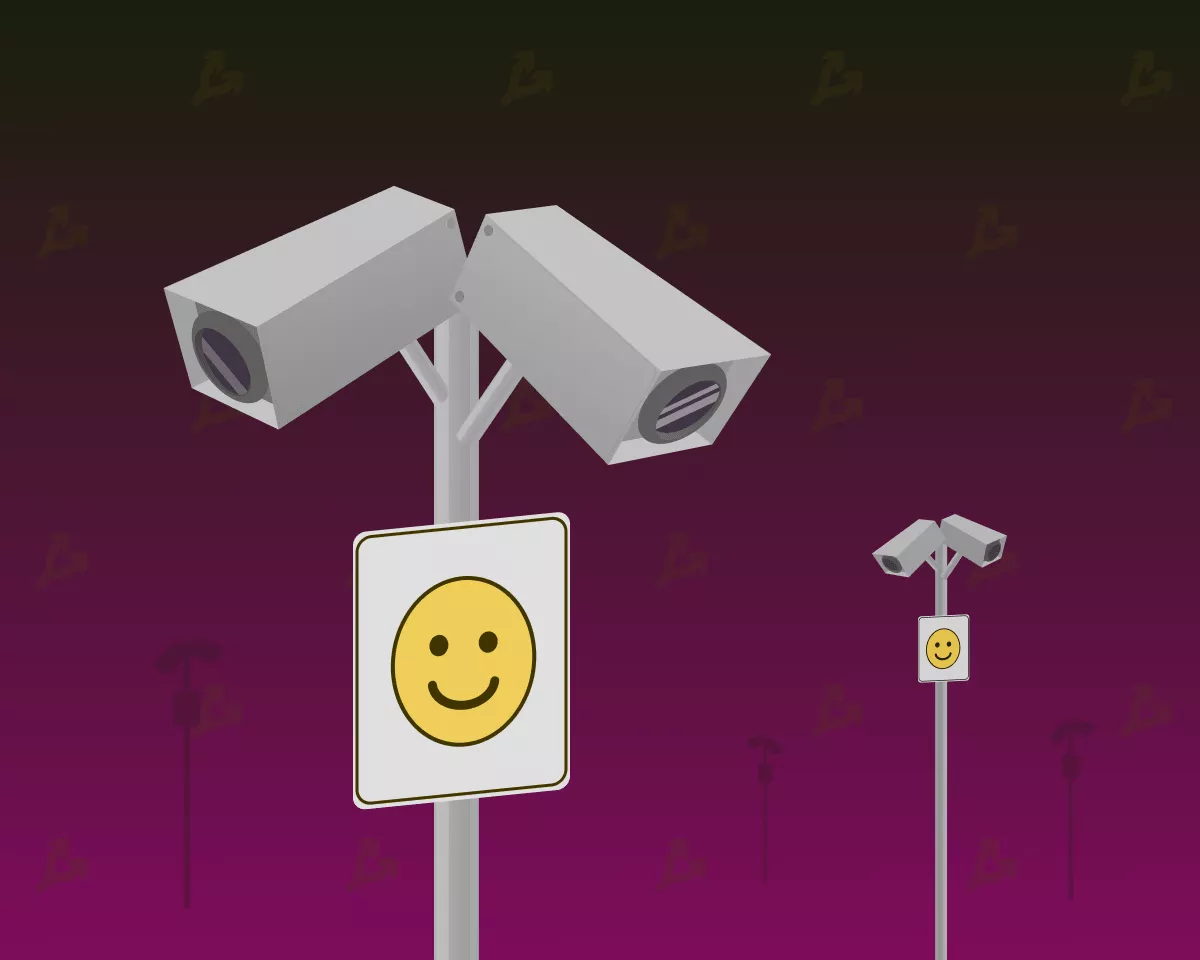
The San Francisco Board of Supervisors has approved granting police real-time access to private surveillance cameras, according to ABC News.
During a 15-month pilot, law enforcement will be allowed to use footage with the owners’ consent. They will not have permanent access to the cameras, but will be able to connect to them during investigations.
The police department will also be able to monitor activity within the field of view of these devices during public events, including protests, even in the absence of suspected wrongdoing.
Civil liberties groups such as EFF and ACLU criticized the measure. In their view, the initiative would strengthen surveillance of minority groups in the city.
EFF policy analyst Matthew Guariglia said that a broad range of crimes that trigger camera activation would enable blanket surveillance almost all the time.
“Offences such as vandalism or jaywalking occur on almost every street in San Francisco on any given day. In effect, the ordinance gives police the ability to place the entire city under real-time surveillance for an indefinite period,” he said.
But San Francisco Mayor London Breed called the new law a necessary measure in the fight against crime.
“Our residents and small businesses want us to focus on safety in San Francisco,” said the city’s leader.
Breed added that the decision would give police an additional tool to address public safety concerns and hold violators to account.
Rights groups are also concerned that the sophisticated surveillance systems funded by city’s affluent residents will amplify law enforcement capabilities. According to Protocol, Ripple co-founder Chris Larsen spent about $4 million on installing more than 1,000 surveillance cameras in San Francisco since 2012.
In an interview with the publication he acknowledged technology’s contribution to inequality and the problems that exist in the city today. However, Larsen is convinced that investments in private surveillance will help enhance public safety.
In August, the New York Supreme Court ordered police to disclose records of facial recognition use against Black Lives Matter protesters.
In July, New Orleans authorities decided to resume using biometric identification systems by the police.
In February, civil rights advocates discovered 25,000 cameras monitoring residents in public spaces in New York.
Sign up for ForkLog news on Telegram: ForkLog AI — all the news from the world of AI!