September 2021 in figures: Arbitrum rally, dYdX hype, and Lightning Network revival after El Salvador’s bitcoin legalization
ForkLog
Key
Bitcoin failed to hold above $50,000, with the price correcting toward a strong support at $40,000.
Since the London hard fork was activated on the Ethereum network, more than 400,000 ETH have been burned.
Outflows of Ethereum from centralized platforms in favour of decentralized applications continue.
The Lightning Network is gaining popularity amid Twitter’s donations integration and payments in El Salvador.
Ethereum miners posted record revenues, with their share of fees exceeding 40%.
In the DeFi space, Ethereum Layer-2 solutions such as Arbitrum are gaining traction.
GameFi tokens corrected, while NFT projects focused on infrastructure development with funding.
The decentralised derivatives platform dYdX surpassed centralized exchanges in trading volume.
Leading assets dynamics
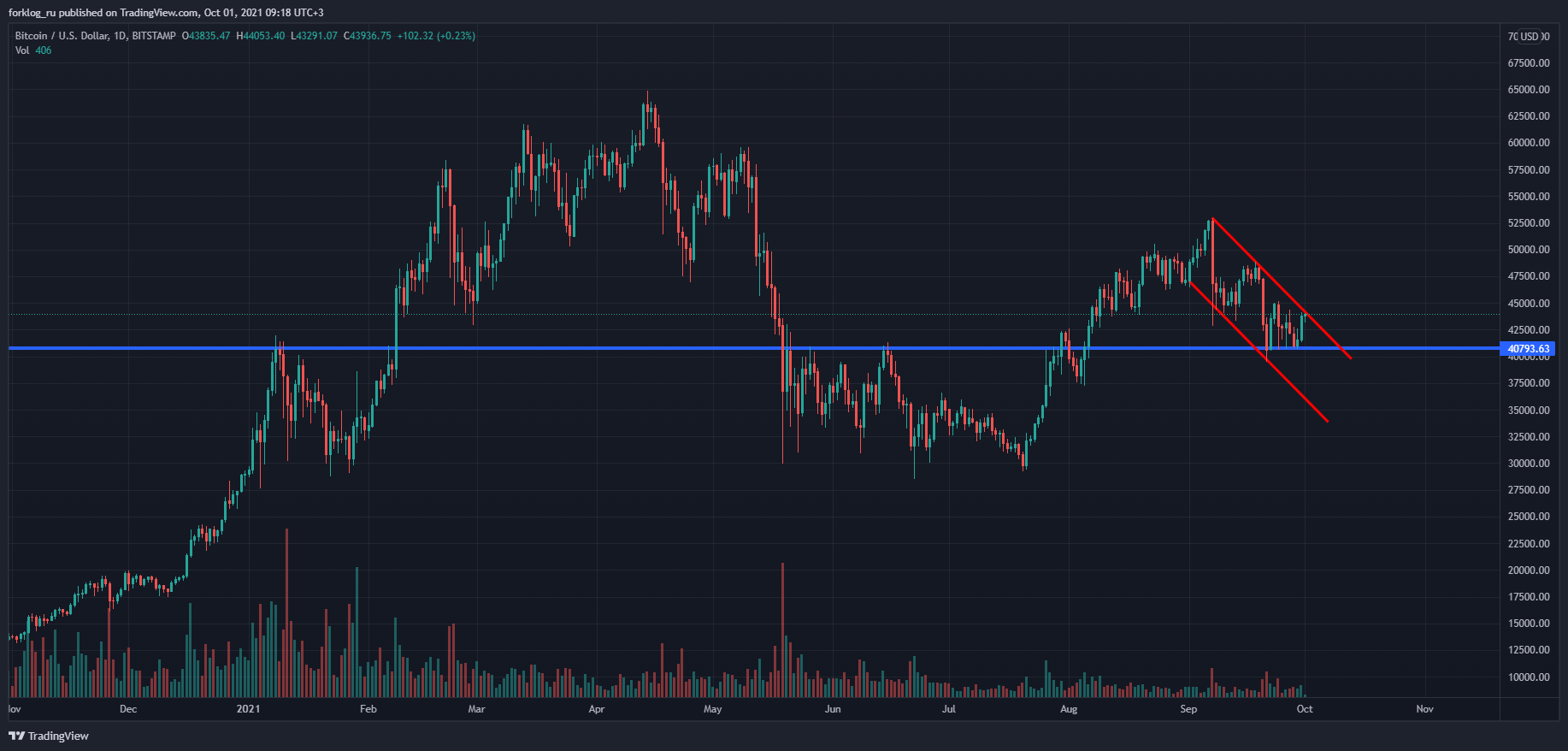
Daily BTC/USD chart on Bitstamp. Data: TradingView.
In September, bitcoin prices moved in a downtrend. Starting the month around $47,000, the price briefly hit a local high near $53,000, then retraced to below $40,000.
The psychological level of $40,000, once a resistance, became support.
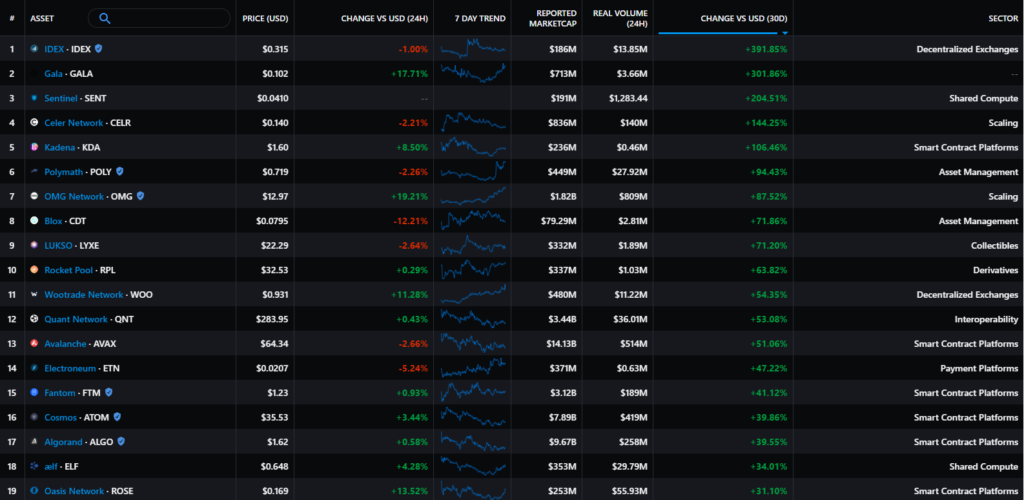
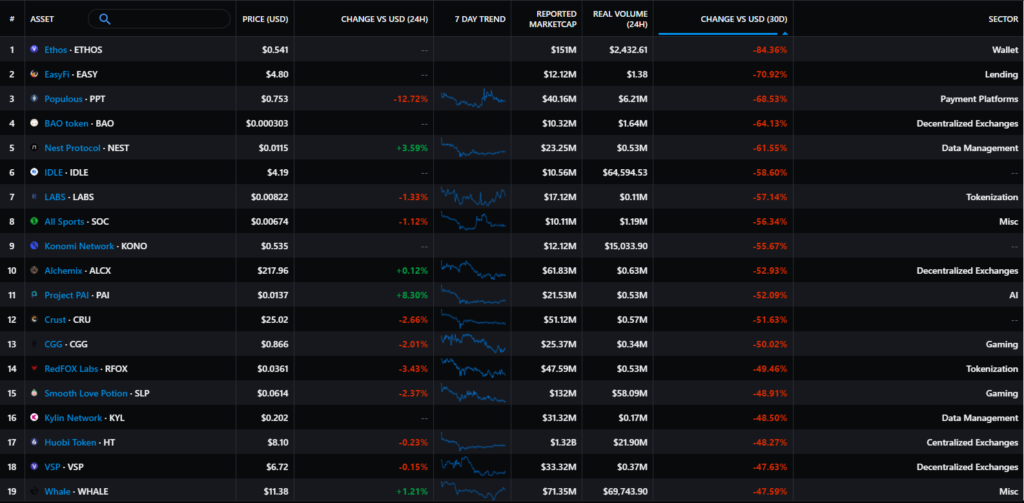
In September, the best momentum was demonstrated by tokens from decentralised exchanges, smart-contract platforms and scaling solutions.
Among mid-cap projects, the IDEX token stood out, alongside Gala, a project recently listed on Binance. Avalanche hit a new high and approached the top 10.
Among mid-cap losers were Huobi’s native HT token and the Smooth Love Potion (SLP) token from the Axie Infinity blockchain game.
Related crypto-currency listed equities
MicroStrategy (MSTR): -17.3%
Coinbase (COIN): -12.6%
Galaxy Digital (GLXY): -2.6%
Performance of mining-related stocks
Canaan (CAN): -35.5%
Ebang International (EBON): -24.9%
Riot Blockchain (RIOT): -31.3%
Hut 8 (HUT): +4.8%
Marathon Digital (MARA): -23%
Stocks tied to crypto and mining posted negative momentum in September due to a close correlation with Bitcoin. Hut 8 was the exception.
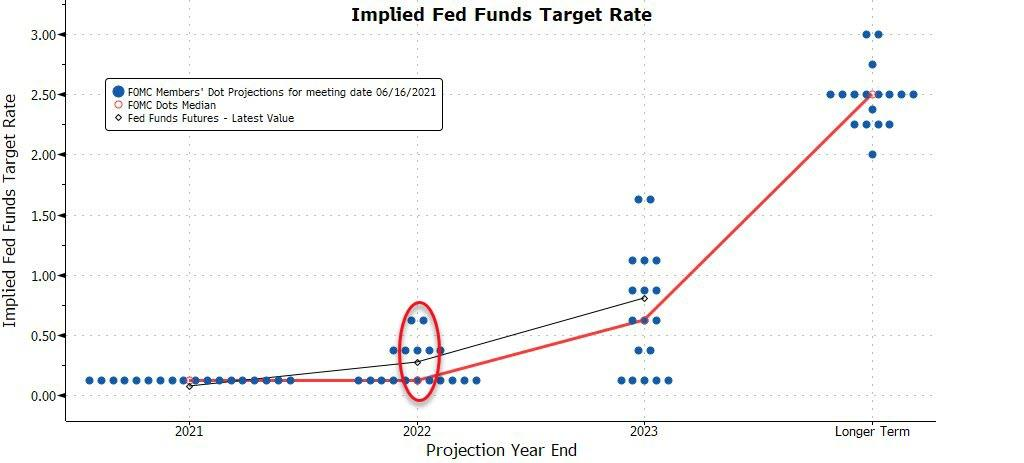
Following the September 22 FOMC meeting, members presented new projections for key macroeconomic parameters.
The median projection for the federal funds rate at the end of 2023 stood at 1%, with 2024 expected at just 1.8%;
Votes for and against the first rate hike in 2022 were evenly split.
Previous June projections had anticipated the first increase in the key rate in 2023.
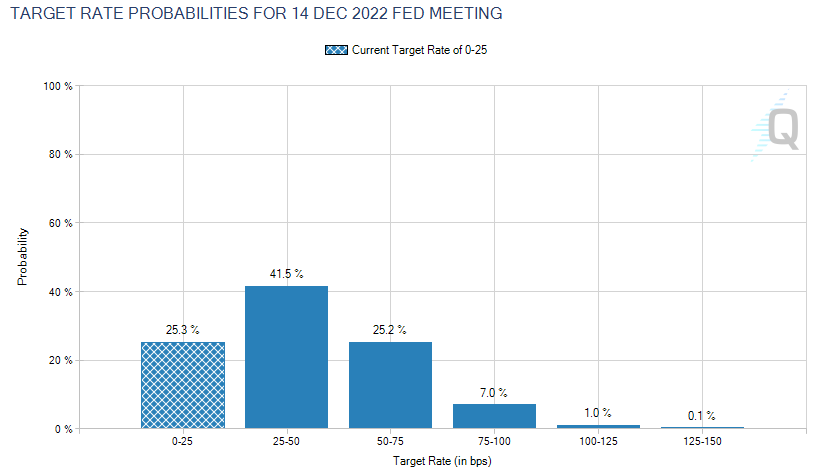
Data: CME FedWatch Tool.
Futures market priced in more than 75% probability of a first rate hike by the Fed in December 2022. Investors assign a one-in-three chance that the Fed will hike twice by then.
Before the meeting, the probability of the first hike was around 55%.
Fed Chair Jerome Powell said that conditions are in place to begin tapering emergency stimulus. The market consensus foresees ending QE at $120bn per month between November 2021 and June 2022.
The start of the Fed’s return to normal monetary conditions could stress financial markets. Under pressure, cryptoassets could come under pressure if they move in line with risk assets, as seen in March 2020.
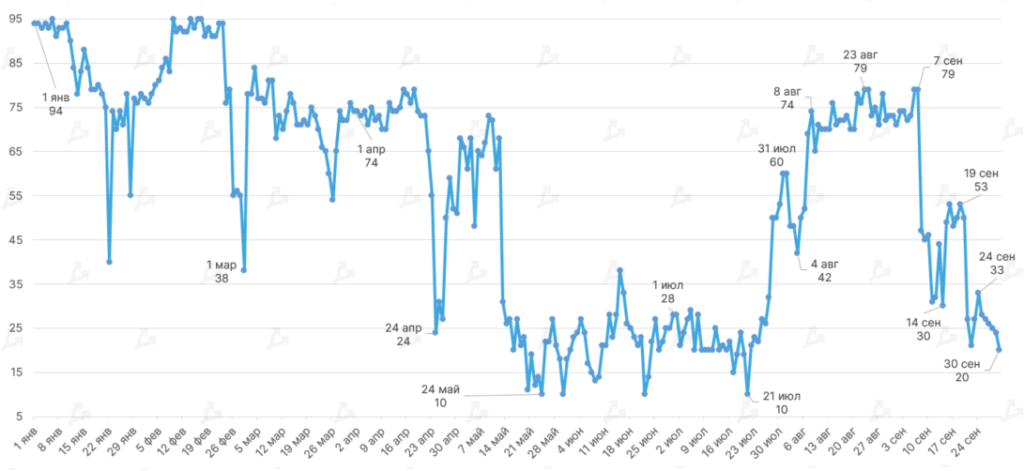
Unlike August, September saw bearish sentiment dominate — as evidenced by the fear-and-greed index. It started the month at 30, rebounded briefly, but soon slid back into the “fear” zone, signalling rising investor pessimism. By September 30 it stood at 20. The September average was 45.3 (August 68.4); the low was 20, with the most frequent reading at 27.
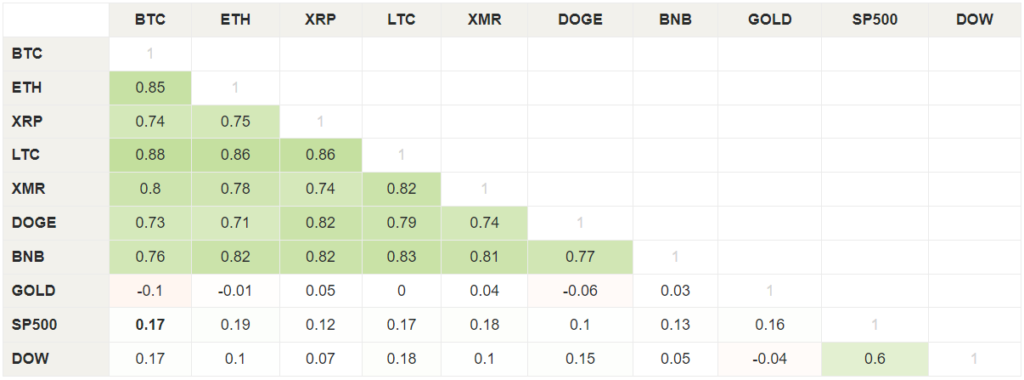
The price movement of Bitcoin and gold remained diverging, but the negative statistical correlation between the two assets eased for the second consecutive month (-0.1 vs -0.21 in August).
In September Bitcoin correlated with the S&P 500 and Dow Jones at 0.17, on par with each other.
This linkage to traditional indices suggests Bitcoin’s sensitivity to the state of the equity market.
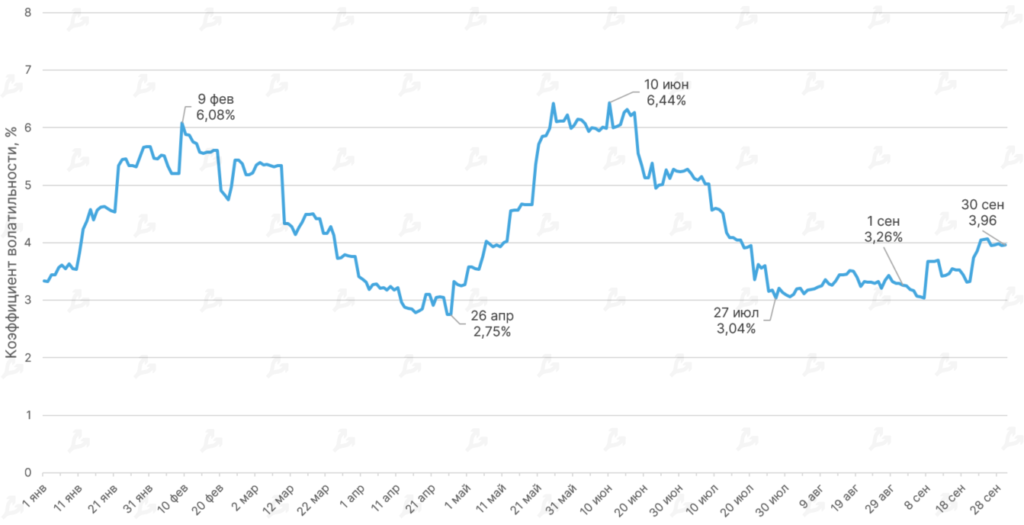
In September, Bitcoin’s historical volatility coefficient ranged from 3.26% to 3.96% as the month ended with a rising trend. Price volatility was notably lower than during prior bull runs.
On-chain data
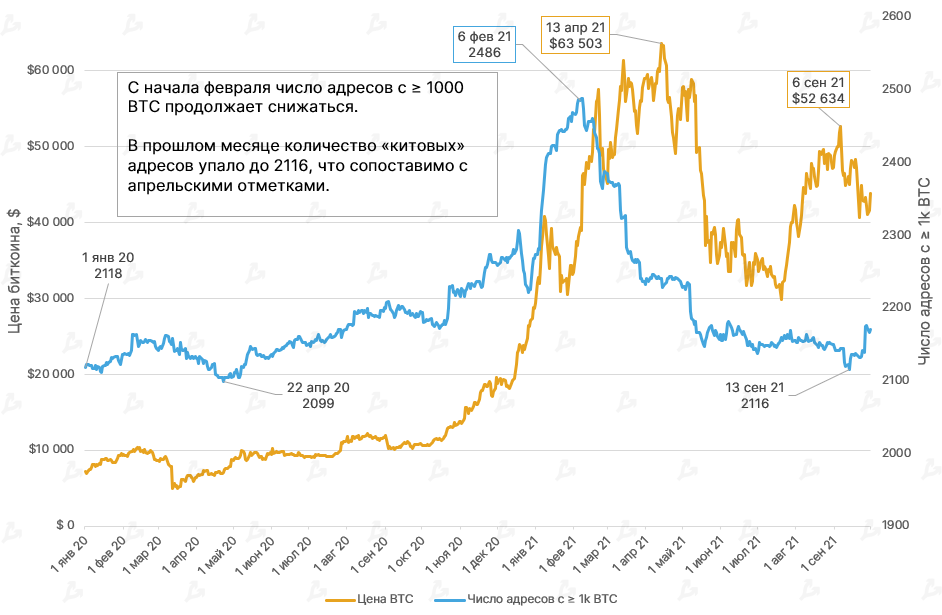
Bitcoin price and addresses with ≥1000 BTC. Data: Glassnode.
The number of addresses containing more than 1000 BTC continues to decline after peaking on February 6 at 2,486.
After a local low on September 13 at 2,116, the metric began to recover. Large players may have used the China-news-driven correction to move BTC to hodlers.
The current value of 2,171 is 12.6% below the February peak.
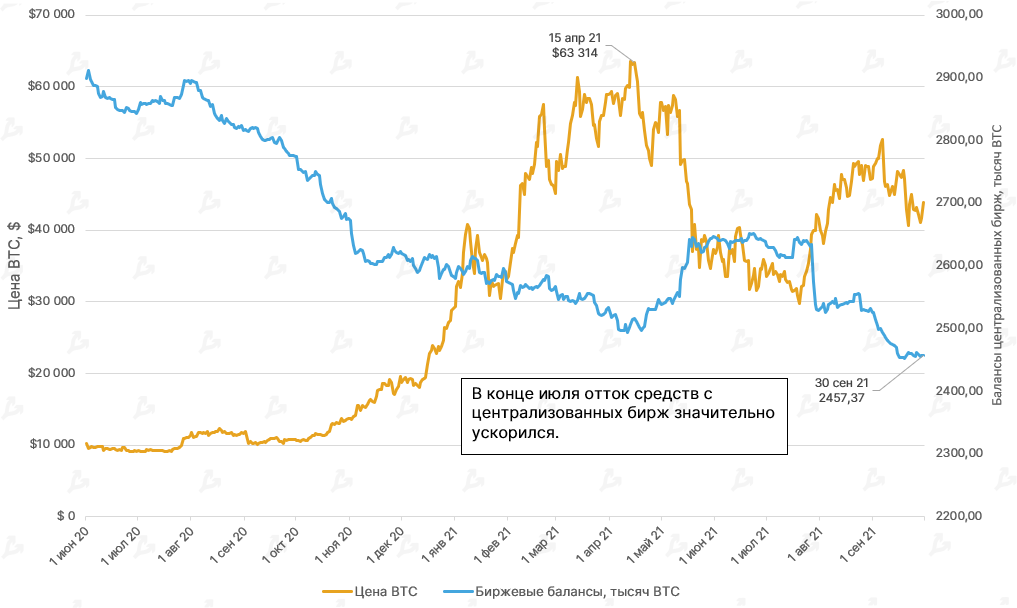
Bitcoin price and centralised exchanges balances, thousands of BTC. Data: Glassnode, Yahoo Finance.
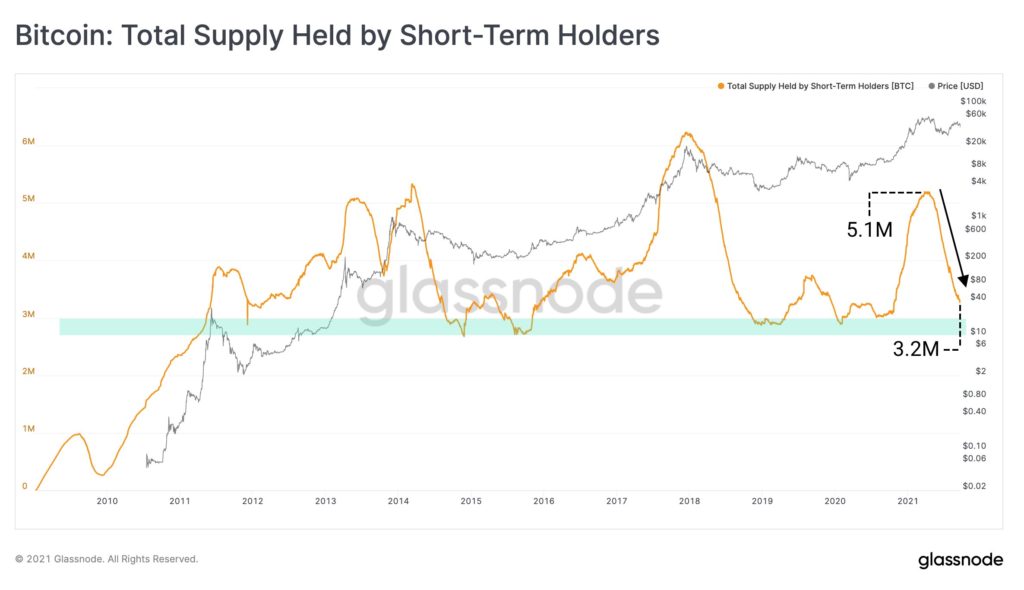
Dynamic of Bitcoin supply held by short-term holders. Data: Glassnode.
Bitcoin supply on centralized exchanges fell to levels seen in August 2018.
Outflows from custodial platforms accelerated over recent months — since July 26, the figure fell by 174,000 BTC (-6.6%).
According to co‑founder of Glassnode Rafael Schultze-Kraff, after Bitcoin price peaked near $65,000, almost 2 million BTC moved from short-term holders to hodlers.
Bitcoin price and centralised exchanges balances, thousands of BTC. Data: Glassnode, Yahoo Finance.
Dynamic of Bitcoin supply held by short-term holders. Data: Glassnode.
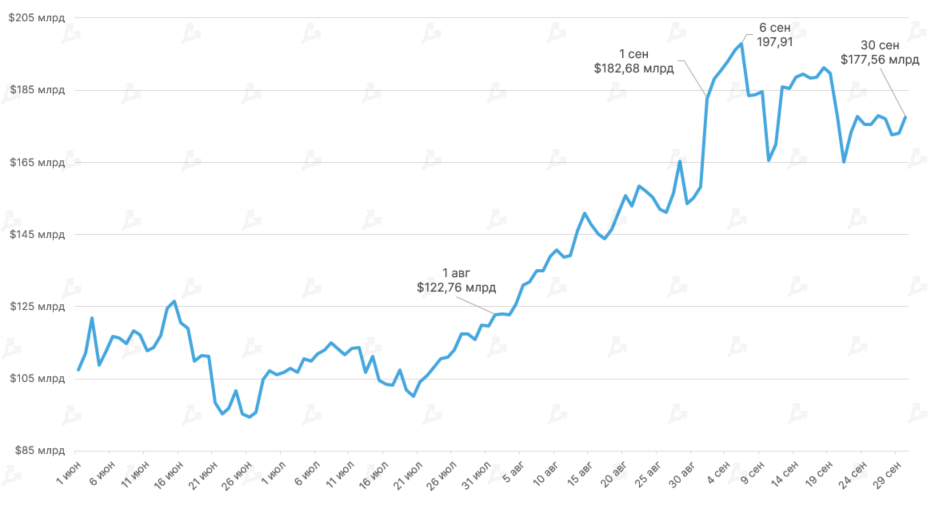
TVL in DeFi rose slightly versus the prior month; viewing a 30-day window, it fell about 3%.
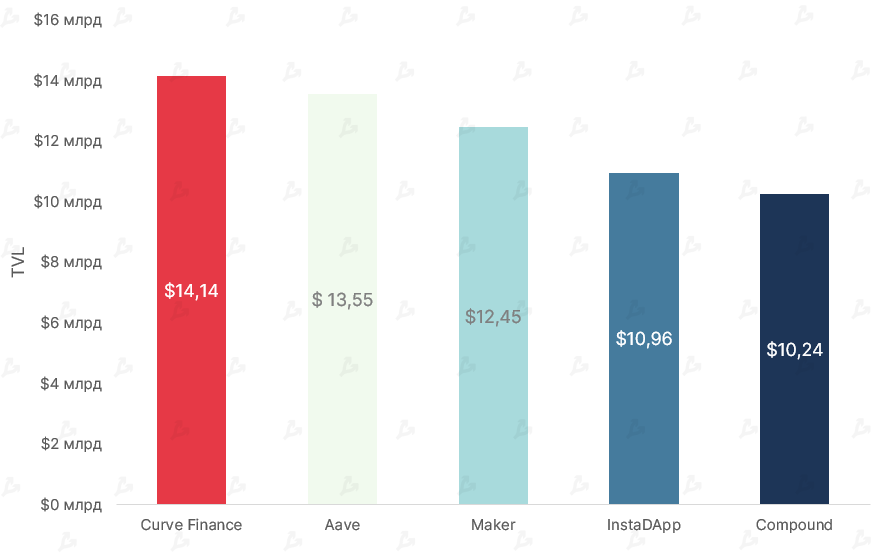
Curve Finance led TVL at $14.14 billion, ahead of lending protocol Aave at $13.55 billion.
Top-5 DeFi projects by TVL on Ethereum, $bn. Data: DeFi Llama as of 01.10.2021.
Compared to the previous month, September’s TVL in DeFi rose slightly; looking at a 30-day window, it fell by about 3%.
Curve Finance led TVL at $14.14 billion; its closest competitor, Aave, stood at $13.55 billion.
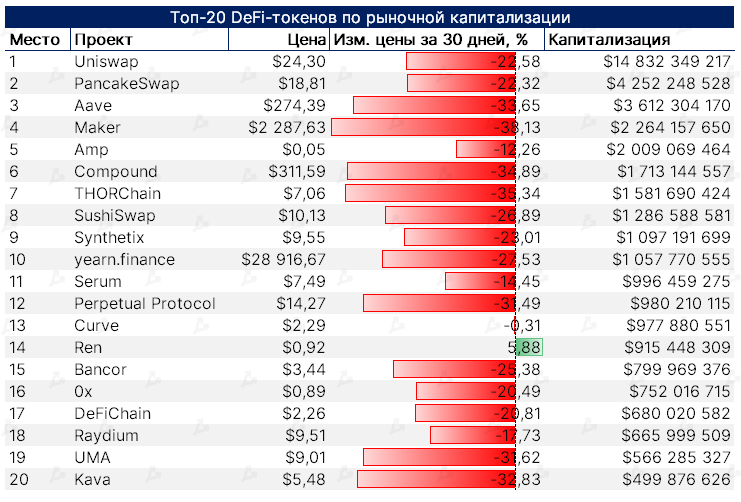
Top-20 DeFi coins by market capitalization. Data: Messari (as of 01.10.2021).
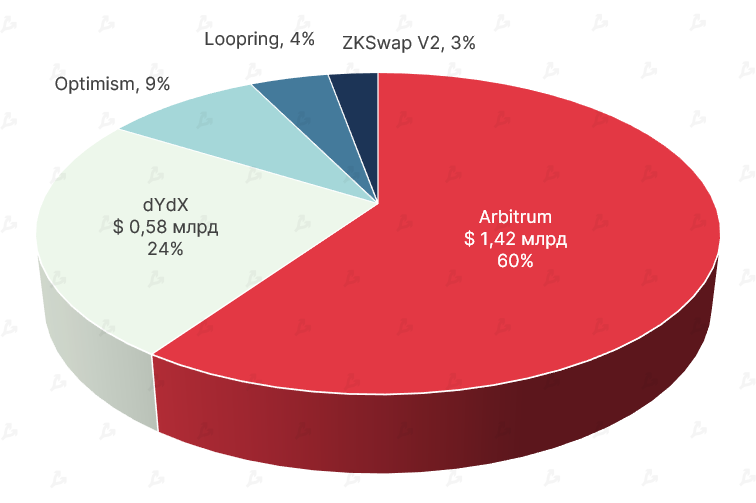
Largest L2 solutions by locked value. Data: L2 Beat.
Ethereum continues to dominate DeFi. Its share rose by nearly $10 billion over the month. Worth more than $120 billion is locked in Ethereum-based apps and wrapped assets — accounting for over 70% of total TVL.
With Avalanche Foundation launching a DeFi development fund and a private token sale of $230 million, TVL across Avalanche’s native chain surged by 76% to $3.84 billion.
Solana soared 185% as it overtook Dogecoin and Polkadot by market cap in early September. The surge is attributed to rapid NFT and DeFi growth on Solana.
In the second-layer (L2) space, Arbitrum leads with a TVL of $1.42 billion, well ahead of dYdX, Optimism and others; it commands about 60% of the market.
DEX
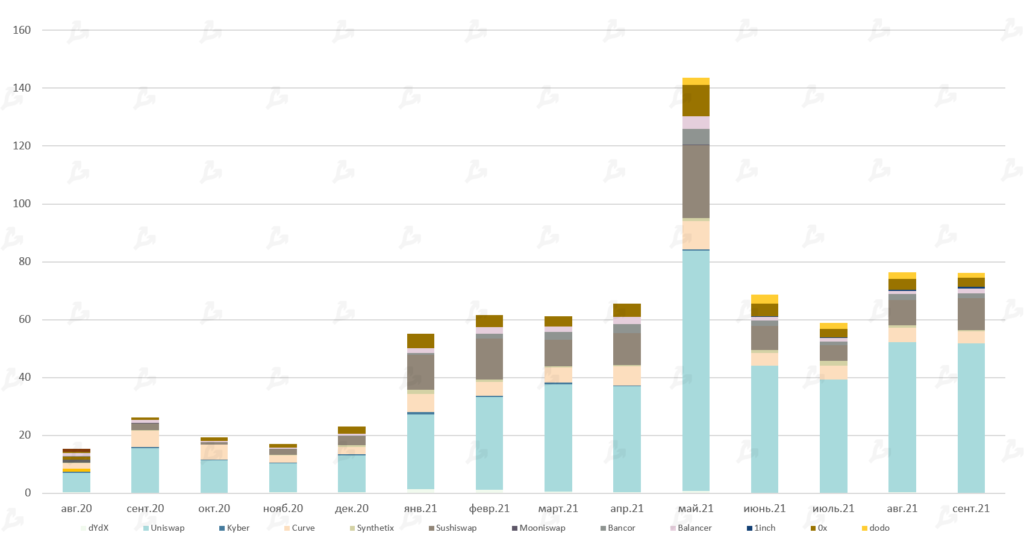
Trading volumes on Ethereum-based exchanges, $bn. Data: Dune Analytics.
In September, decentralized exchanges saw $76 billion in volume.
Unchanged leaders on the spot market were Uniswap ($51.6bn), SushiSwap ($11bn) and Curve ($4bn).
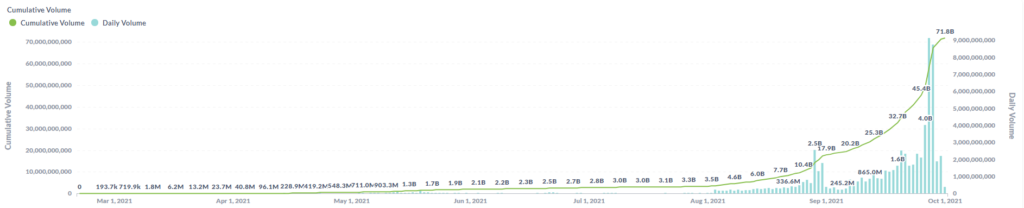
Trading volume in the dYdX L2 protocol, $bn. Data: Metabase.
Meanwhile, dYdX gained momentum in the derivatives arena, using an Ethereum-based Layer-2 protocol. On September 27–28, daily volume on this platform exceeded the combined total of all other DEX platforms and even some major centralized exchanges like Coinbase — around $9 billion.
Open interest (total outstanding positions) surpassed $500 million by month-end.
The activity on the platform was linked to the earlier announced airdrop of the dYdX token for early users (7.5% of the issuance). Simultaneously, the project launched liquidity mining with a token-based incentive for trading turnover.
In September, dYdX peaked at $27.8. The token joined the lists of many popular exchanges including Binance, Huobi and OKEx.
Interest in the project, and in DEXs generally, was boosted by fresh China policy developments. The refusal by Huobi, Binance, and Gate to register new Chinese users positively affected the popularity of decentralised protocols, including dYdX.
Stablecoins
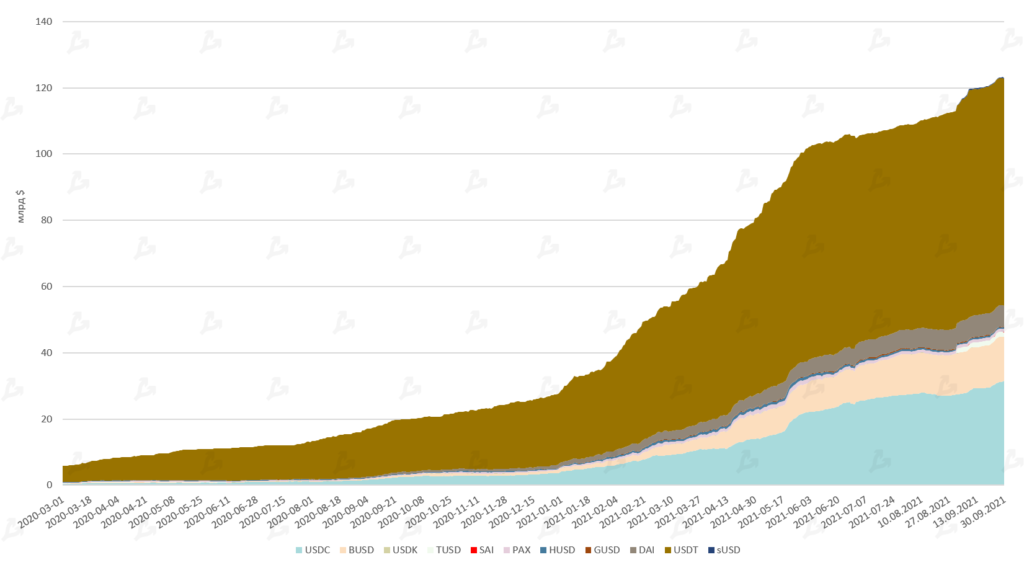
Market capitalisation of stablecoins, $bn. Data: Glassnode.
In September, the aggregate market cap of stablecoins surpassed $120 billion.
Among projects, the leader remains USDT from Tether, with a total supply of about $65 billion.
The Centre consortium resumed USDC issuance, with market cap surpassing $30 billion for the first time.
Top NFT projects by trading volume, $mln. Data: cryptoslam.
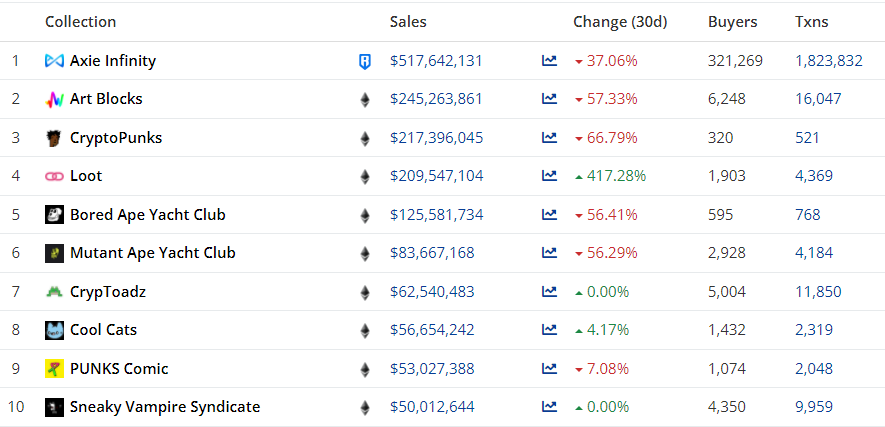
In September, turnover for many NFT projects declined, including Axie Infinity (-57%), ArtBlocks (-57%) and CryptoPunks (-66%).
GameFi tokens followed the trend and corrected throughout the month. Axie Infinity’s native token AXS rose 5%, but most others posted double-digit losses.
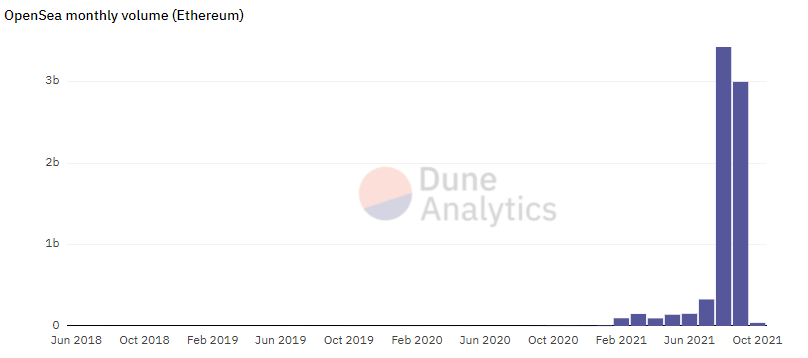
Overall trading volume on leading NFT marketplace OpenSea remained broadly unchanged, with September’s total nearing $3 billion.
In September, cryptocurrency exchange FTX launched its own marketplace. Other notable events included the sale of the Bored Ape Yacht Club on Sotheby’s for $24 million, forecast to fetch $14–16 million, the tokenised artwork auction on Binance by the Hermitage, and the revelation of Snoop Dogg’s NFT collection worth over $17 million.
Activity of major players
Open interest in Bitcoin futures on CME. Data: CFTC.
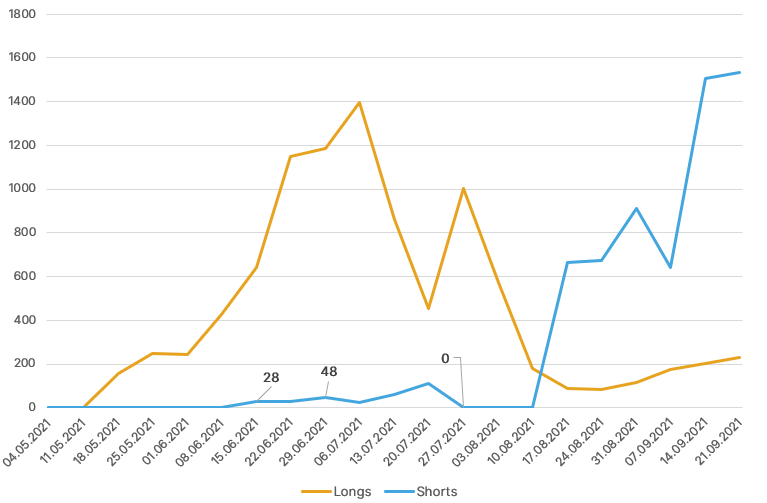
Long and short positions of hedge funds (non-commercial) on CME. Data: CFTC.
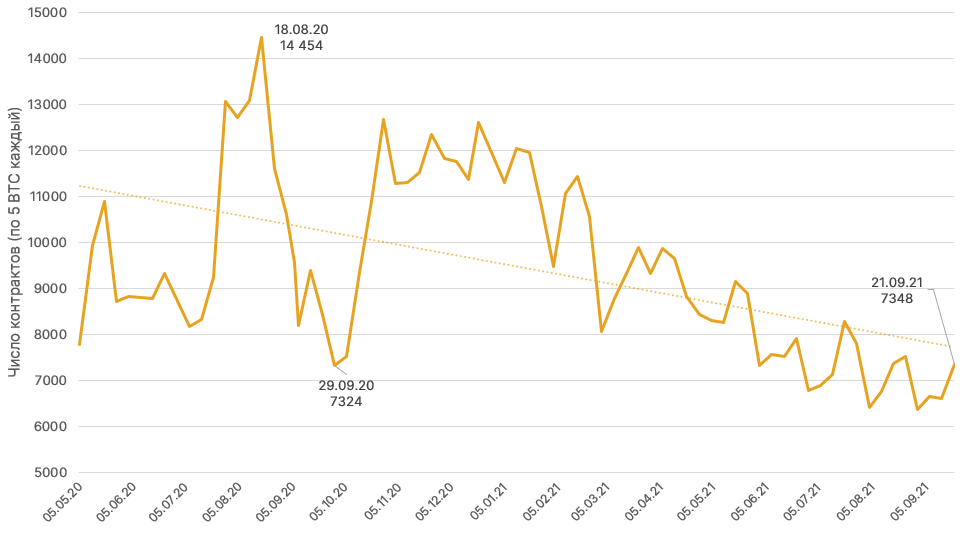
Open interest in Bitcoin futures on CME continued a downward trend. The overall number of traders is gradually shrinking.
As before, among major players Non-Commercial positions are mostly shorts, while Nonreportable and Commercial categories are biased towards longs. Notably, the number of long positions among commercial traders surpassed shorts.
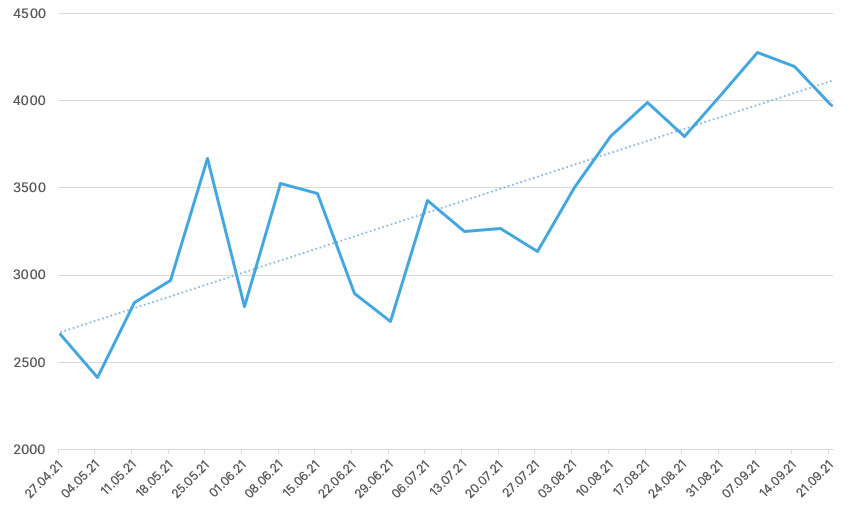
Open interest in Bitcoin microfutures on CME. Data: CFTC.
Dynamics of Commercial traders’ positions in Bitcoin microfutures on CME. Data: CFTC.
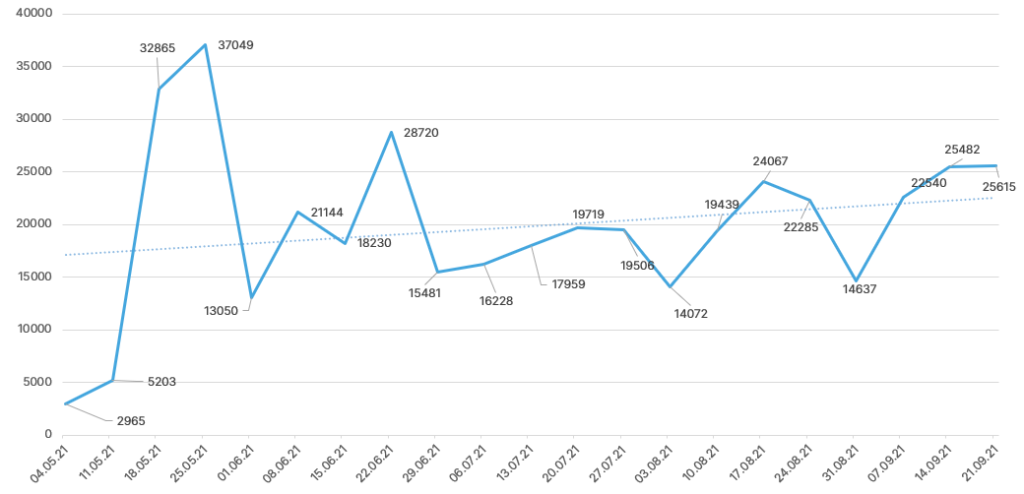
More accessible microfutures for investors show a different picture — open interest is rising gradually, as is the number of traders.
However, across all participant categories, short positions remain dominant, signalling bearish sentiment.
Open interest in Ethereum futures on CME. Data: CFTC.
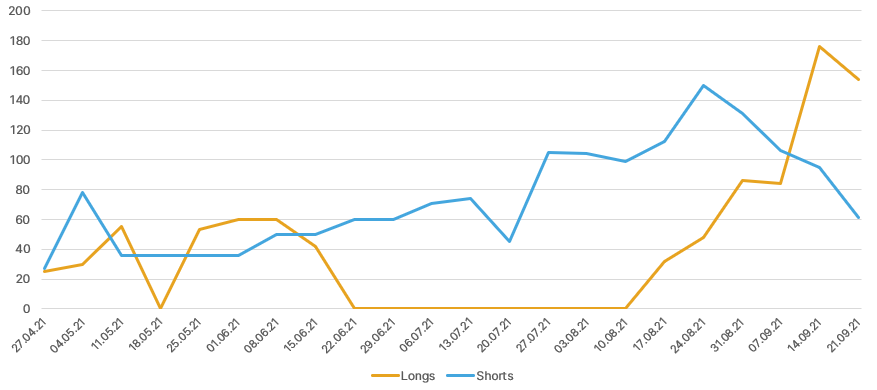
Position dynamics of Commercial traders in Ethereum futures. Data: CFTC.
Ethereum futures show a more positive picture with open interest rising, while Shorts remain dominant in many categories.
Longs among Non-Commercial and especially Commercial participants are more prevalent than Shorts, indicating a more nuanced sentiment.
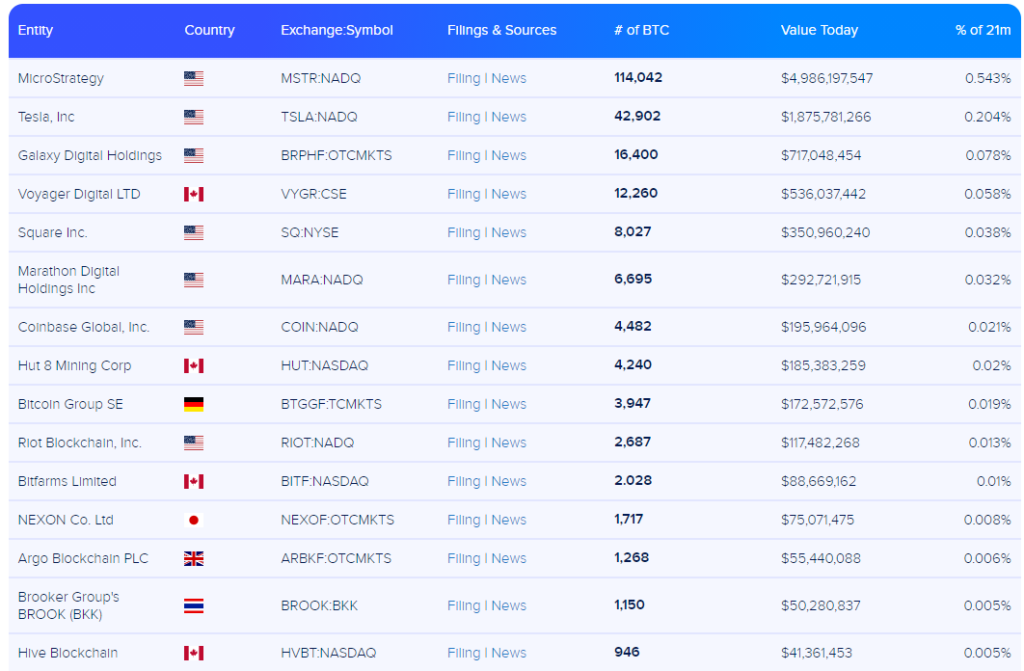
Largest public companies holding Bitcoin in reserve. Data: Bitcoin Treasuries.
MicroStrategy’s BTC reserves increased by 8.5% in September — from 105,085 BTC to 114,042 BTC.
Marathon Digital Holdings’ reserves grew by 15.75% — from 5,784 BTC to 6,695 BTC.
Major venture rounds
$680 mln
NFT fantasy football platform Sorare. Valued at $4.3 billion.
$431 mln
Genesis Digital Assets.
$250 mln
Dapper Labs, behind NBA Top Shot and the Flow blockchain.
$200 mln
social network DeSo from the BitCloud creator and the Basis stablecoin.
$155 mln
infrastructure company Blockdaemon.
$130 mln
open banking startup TrueLayer.
Regulatory milestones in September
The Bank of Russia urged to block cards and accounts used for bitcoin exchanges and took a stance against access for unqualified investors to Bitcoin.
The U.S. Treasury imposed sanctions on the Bitcoin exchangers Suex, with offices in Moscow and Saint Petersburg.
The government confirmed plans to launch a digital ruble by 2030.
Ukraine adopted a law on virtual assets and proposed a tax regime for crypto-operations. A detailed analysis of the document.
Lawmakers explained the status of mining in the country.
Zelenskiy emphasised the importance of launching a legal crypto market for Ukraine.
The U.S. Treasury said that developing a tax framework for crypto transactions is a priority.
Fed Chair Jerome Powell stated that the U.S. does not plan to ban cryptocurrencies as China did.
Congress retained crypto-reporting tax provisions in the second infrastructure bill worth $3.5 trillion.
Texas brought digital assets into the legal framework.
The defence budget bill included a crypto clause.
El Salvadorlegalised Bitcoin. The government bought 700 BTC in September.
In Panamaintroduced a bill to regulate cryptocurrencies.
Twitter’s iOS app users gained the ability to receive donations via the Lightning Network. To work, a profile must be linked with a service such as CashApp.
CEO Changpeng Zhao said that a decentralised organisation of a global business hinders regulatory approval in jurisdictions with clear licencing regimes. The company will abandon this governance model. The US arm will conduct an IPO in the next three years.
On 14 September, in the beta mainnet, Solana experienced a technical issue — the blockchain stopped producing new blocks. Validators subsequently completed a restart after updating node software to version 1.6.25. The SOL price was not materially affected. Later developers stated the outage was caused by a DoS attack.
Quotes of the month
“This is a completely different era. It is not worth comparing the situation to a bubble. In 2017 the bubble swelled and burst, but over the next three years people built the industry.”Anatoly YakovenkoSOL founder
“In the coming years many countries will start to use cryptocurrency as part of monetary policy, either as part of reserves or for settlements with monetary regulators of other countries, or simply, as El Salvador did, make it a national currency.”Charles HoskinsonCo-founder of Cardano
“I think, ultimately, if Bitcoin does really succeed, regulators will kill it or try to. And I think they will, because there are opportunities.”Ray DalioFounder of Bridgewater Associates
“Stablecoins work like chips in a Wild West casino.”Gary GenslerChair, SEC