



The non-profit Solana Foundation has introduced a new strategy to attract major institutional clients, focusing on flexible privacy settings.
Privacy on Solana is a spectrum.
We just published our new enterprise report mapping pseudonymity, confidentiality, anonymity, and fully private computing. With compliance frameworks at every level.
Download it here: https://t.co/tazQRllkmZ pic.twitter.com/gUHrlmpApo
— Solana Foundation (@SolanaFndn) March 23, 2026
According to the developers, the next phase of cryptocurrency adoption will depend not only on transparency. The ability of companies to control which data to disclose and to whom will play a crucial role.
The Solana Foundation believes that the pseudonymity model inherent in public blockchains is unsuitable for many practical scenarios. For instance, financial institutions may need to confirm a transaction without revealing the counterparty.
Privacy as a Spectrum
Instead of a single solution, the foundation proposed viewing privacy as a spectrum of four modes:
- Pseudonymity.
- Confidentiality.
- Anonymity.
- Fully private systems.
At the basic level, pseudonymity hides identities behind wallet addresses, leaving transaction data open. Moving further along the spectrum, confidentiality allows participants to remain identifiable but encrypts sensitive information—balances and transfer amounts.
Anonymity changes the approach: parties are hidden, transactions remain visible. At the opposite end are fully private systems, where identities and data are protected by methods such as ZK-proofs and MPC.
Instead of choosing one approach, corporate clients can combine tools depending on their needs, explained the Solana Foundation.
“Privacy is what the market demands. Clients and applications are waiting for it,” added representatives of the organization.
The foundation also emphasized that Solana’s speed allows for the practical implementation of advanced privacy methods. The network’s high throughput and low latency enable them to operate at speeds comparable to web services. This opens up possibilities for scenarios such as encrypted order books or private credit risk assessments.


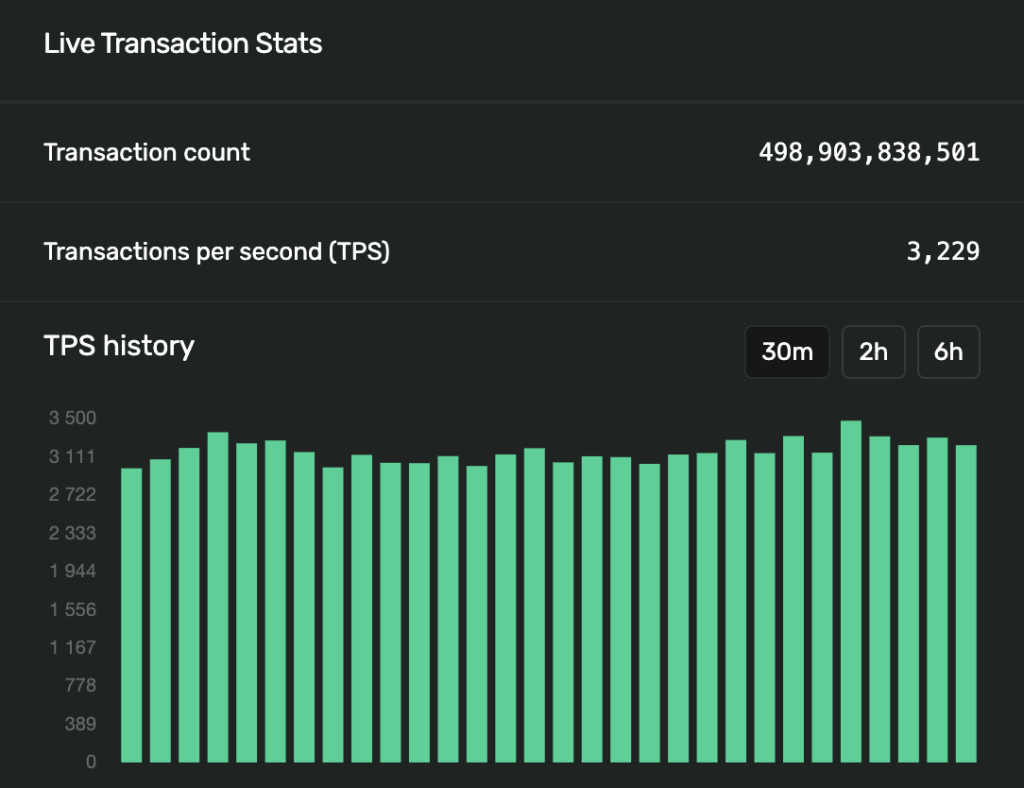
Back in February, Solana developers launched the Solana Payments hub—a unified platform for integrating crypto payments.