


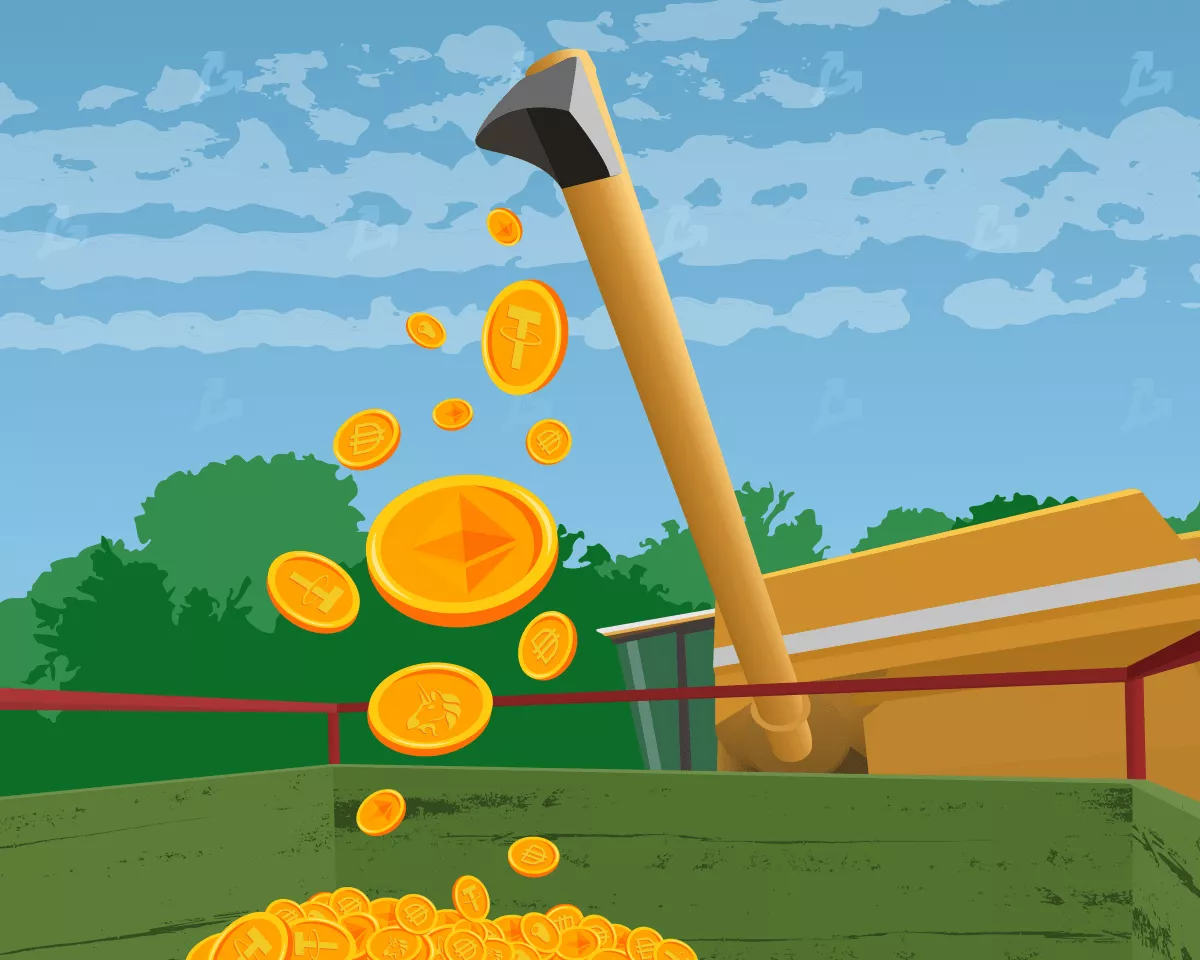
Study finds governance DeFi tokens rarely used as intended
Economist Alex Kruger has concluded that tokens issued under liquidity mining programs are often used inefficiently — most DeFi investors are eager to get rid of them.
Fascinating research. In Q3 Compound has paid $76m in as liquidity incentives and only $100k in grants.
Of top 100 accounts, only 7 have held the tokens and only one has ever voted on a proposal.
— banteg (@bantg) November 15, 2021
The researcher analysed on-chain data for the 100 largest holders of the native governance token the Compound project. According to his observations, 809,000 tokens of the project, worth more than $270 million (69% of the token’s circulating supply), were sent to these addresses.
However, very few of them are COMP hodlers. Only 19% held more than 1% of the COMP; only 7% kept more than 50% of what they received. Do holders of mining rewards maintain an economic interest in the Compound protocol? No,
Kruger is convinced that even fewer holders of native tokens participate in governance votes:
Logically, if so few addresses are hodlers, then an even smaller number of people vote.
The author proposed the concept of “governance mining”, envisaging rewards for those who invest time and effort in developing the protocol.
The author sees solution in “governance mining”, basically rewarding people who put time and effort into evolving the protocol.
That’s similar to how things work at @iearnfinance. You can still farm YFI, but only by putting in meaningful work, not with liquidity.
2/
— banteg (@bantg) November 15, 2021
The problem could also be mitigated by implementing vesting.
2. Create a vesting schedule for accrued tokens.
To better align incentives, there could be a vesting schedule for when the underlying COMP tokens become redeemable.
The rewards with vesting could themselves be tokens and retain (non-transferrable) governance rights.
— DeFiCorgi.eth (@alex_kroeger) November 15, 2021
In his view, Compound’s liquidity mining program did not prove its worth — users never became governance participants.
Regardless of what you think the goals of liquidity mining should be, the scale of these programs should be carefully assessed, weighing costs and benefits
— Kruger concluded.
Earlier ForkLog reported multi-million losses at Compound due to a protocol update error.
Subscribe to ForkLog news on Telegram: ForkLog Feed — the full news feed, ForkLog — the most important news, infographics and opinions.
Рассылки ForkLog: держите руку на пульсе биткоин-индустрии!