



Vitalik Buterin Explores the Intersection of Cryptocurrency and AI
Ethereum co-founder Vitalik Buterin has identified four promising opportunities at the intersection of cryptocurrency and artificial intelligence that have emerged in recent years.
The promise and challenges of crypto + AI applications:https://t.co/ds9mLnshLU
— vitalik.eth (@VitalikButerin) January 30, 2024
According to him, the advantages of the synergy between these two groundbreaking fields are quite evident. For instance, blockchain can counteract AI centralization, ensuring transparency, data storage, and security.
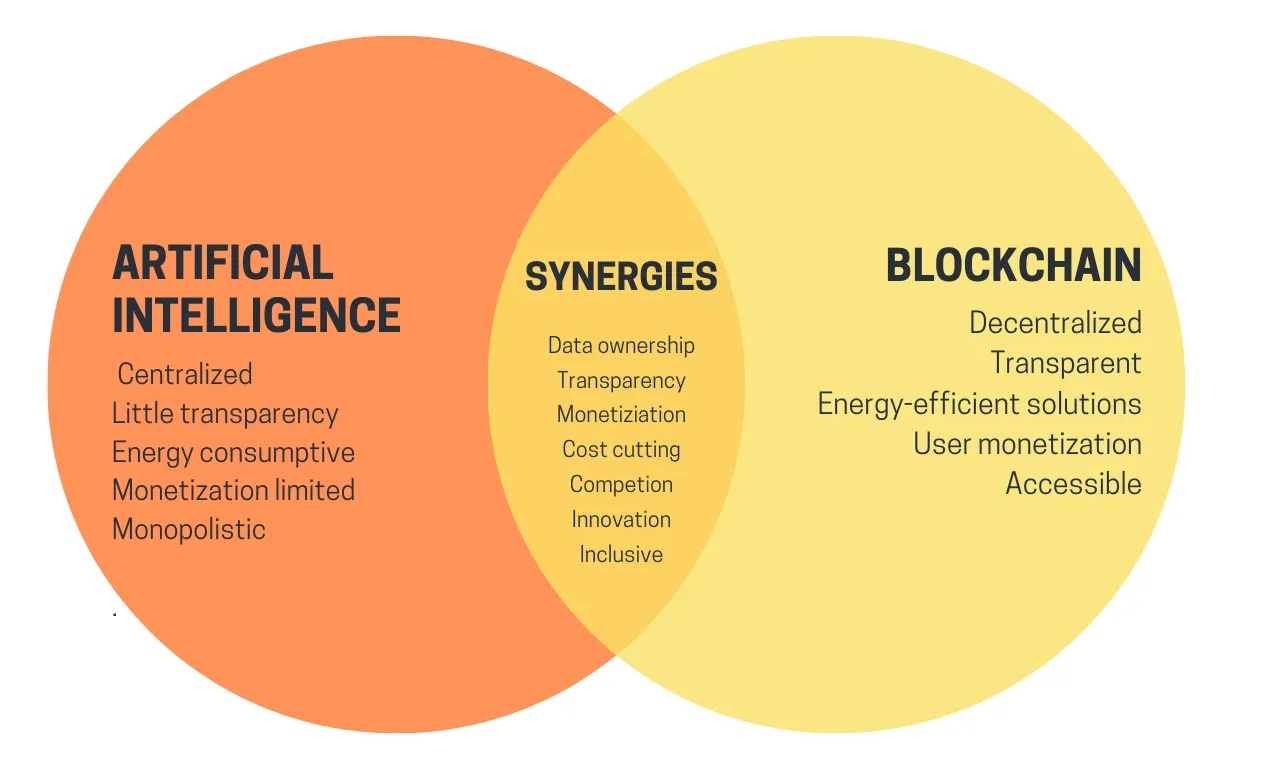
However, it is only with the advent of modern large language models, powerful scaling solutions in the crypto industry, and technologies like ZKP, FHE, or MPC that truly profound integration possibilities have emerged, the expert believes.
Buterin examined the prospects and risks of using AI as an agent, interface, the rules themselves, and the ultimate goal.
He considers the first option the most viable. As an example, the programmer cited the potential revival of the stagnant decentralized prediction segment. Due to weak monetization, truly competent experts avoid these markets.
AI-based “participants” that are inexpensive to operate could create a strong forecasting sector through mass participation and competition, Buterin is convinced. Human involvement would only be necessary in complex situations for arbitration, he noted.
Buterin sees the second option of technology synergy as promising but not without certain risks. The use of AI in blockchain application interfaces implies assisting users.
This is partially realized, for example, in the MetaMask wallet, which warns of potential fraud. Another application, Rabby, shows the consequences of a planned transaction.
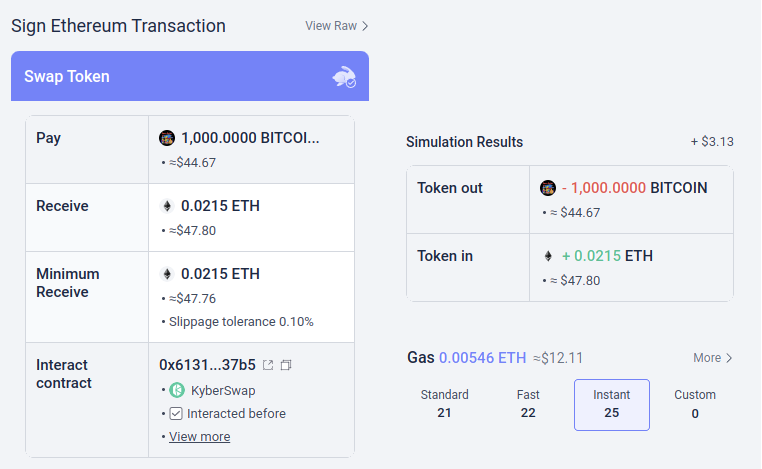
Buterin emphasized that AI can indeed serve as a mentor in such cases. However, there is also a potential risk due to the possibility of the technology being used by malicious actors for their own purposes.
The application of AI as an arbiter in subjective decision-making is deemed the riskiest by the expert due to the problem of adversarial machine learning.
“If an AI model playing a key role in the mechanism is closed, you cannot verify its internal workings, and therefore it is no better than a centralized application. If the model is open, an attacker can download and shape it locally, as well as develop carefully optimized attacks that can then be reproduced in the live network,” Buterin explained.
He finds the possibility of using AI as the “goal of the game” to be “very intriguing,” but long-term. According to him, this involves creating blockchains, DAOs, and other mechanisms capable of supporting various applications of neural networks.
Earlier, Buterin proposed reviving the “cypherpunk” revolution in Ethereum, which was envisioned for the network at its inception.
Рассылки ForkLog: держите руку на пульсе биткоин-индустрии!