


Vitalik Buterin Offers Guidance on Detecting Deepfakes
Ethereum co-founder Vitalik Buterin has penned an article addressing the growing issue of deepfakes and explored potential methods for their detection.
Initially, he pointed out the shortcomings of the cryptographic method, often suggested by the community as a secure form of authentication. According to Buterin, there is always a risk of potential interception of public keys or user profiles by hackers.
As a more reliable alternative, the developer proposed using security questions in communications, with answers that are difficult to guess or find online. These should relate to real-life events that a third party cannot access, even in cases of corporate or governmental data leaks.
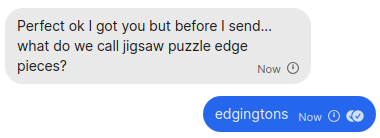
“The more unique your question, the better. If your question is potentially guessable, increase entropy by adding another question,” Buterin recommended.
In addition to secret questions, the Ethereum co-founder suggested several other strategies to enhance security. These could include:
- pre-agreed code words;
- a duress key — a subtle signal word indicating to the other party that you are acting under pressure or threats;
- confirmation of a cryptocurrency address across multiple messengers;
- security numbers from Signal or Telegram emojis confirming secure chat encryption;
- restrictions and delays on important and irreversible actions, including through smart contracts.
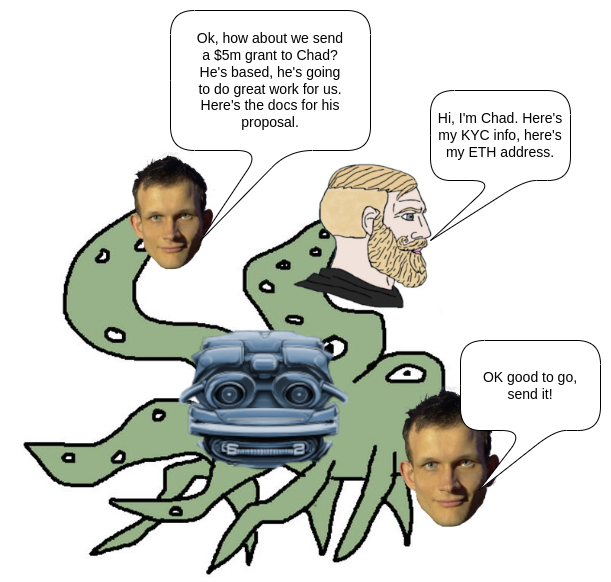
“Security questions are good because, unlike many other inconvenient methods, they are based on information that people naturally remember well,” Buterin noted.
In conclusion, he added that optimal authentication methods should combine several techniques most convenient for the individual or enterprise.
Buterin’s image, along with those of other prominent figures in the cryptocurrency community and entrepreneurs, is often used to create deepfake videos on YouTube.
Earlier, ForkLog reported that an employee of a multinational company in Hong Kong transferred $25 million to fraudsters after a call with “colleagues” who turned out to be deepfakes.
Рассылки ForkLog: держите руку на пульсе биткоин-индустрии!