



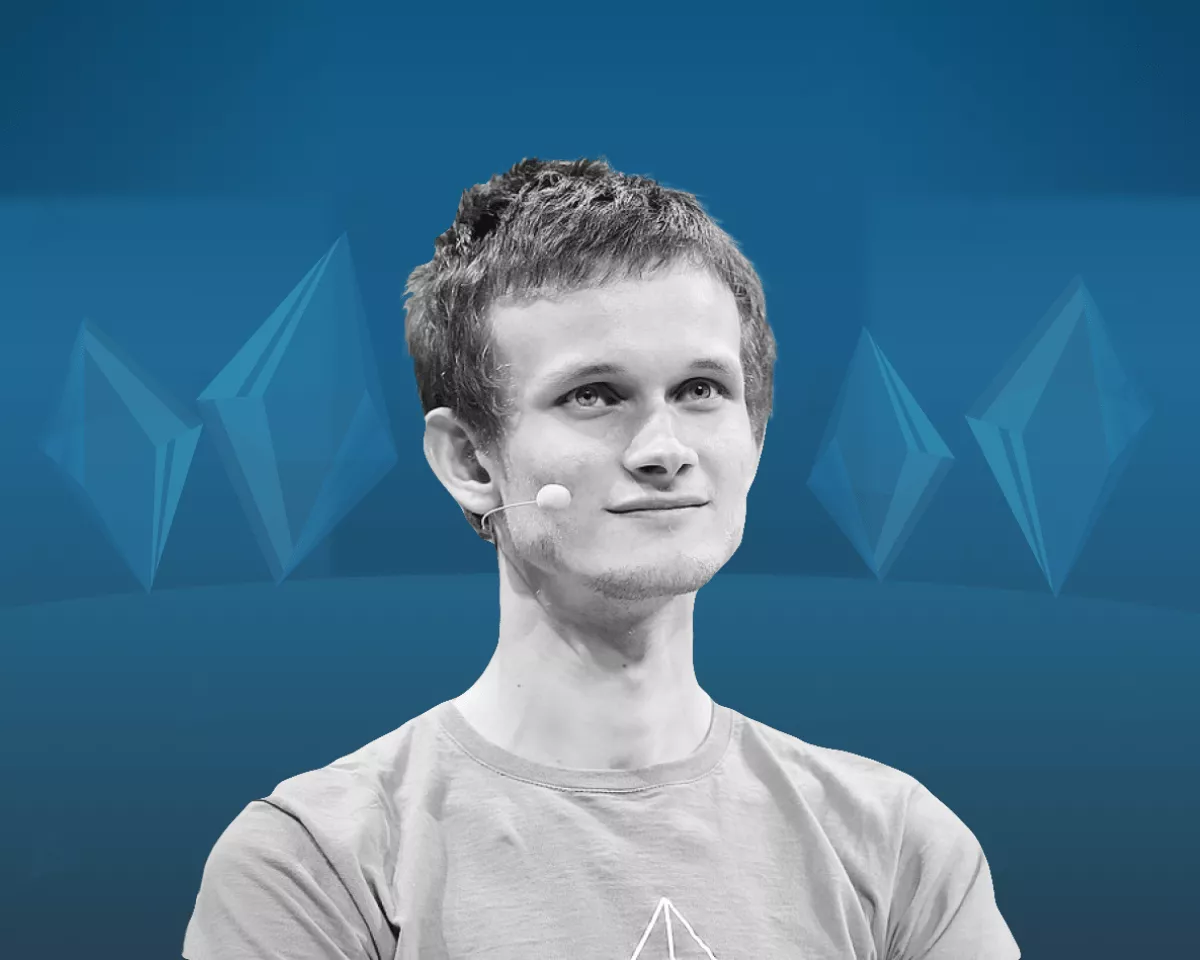
Vitalik Buterin unveiled a roadmap for developing Layer 2 solutions based on the Rollups technology for Ethereum. To increase throughput, he proposed limiting data in blocks and a phased rollout of sharding.
A roadmap for how data space available to rollups can be greatly expanded (and hence rollup fees greatly reduced) progressively, starting from calldata gas cost reduction and continuing with step-by-step rollout of sharding:https://t.co/TixzvKInSN
— vitalik.eth (@VitalikButerin) November 25, 2021
«In the short-, medium-, and possibly long-term, Rollups is the only reliable solution for scaling Ethereum. Mainnet fees have remained very high for several months, so urgent steps are needed to facilitate the ecosystem’s transition to this technology», — the publication states.
According to Buterin, it should start with limiting the data volume of calldata in a block and reducing the cost of the corresponding operations from 16 gas units per byte to three. This space stores the information provided when calling a smart contract.
A relevant proposal (EIP-4488) has already been published by Ethereum founder and developer Mika Zoltu. According to them, the measure will increase L2 throughput without increasing block size.
Buterin noted that there is an alternative solution — reduce the cost of calldata-related operations without imposing data-volume limits. He explained that this is a simpler idea which, however, in implementation could threaten security.
«The current average block size is 60-90 KB, but its maximum size is 1.875 MB. If you simply reduce calldata cost from 16 to three gas units, the maximum block size would rise to 10 MB. This would place unprecedented load on the network and create a risk of outages. Earlier tests with blocks around 500 KB have already taken out several bootstrapping nodes», — Buterin noted.
According to the developers’ proposal, the block size would be capped at 1.5 MB. They say this is enough to prevent most of the security risks.
If the initiative is supported by the community, the network will undergo an upgrade to recalibrate gas costs. Users will continue to interact with the protocol unchanged, and miners will simply need to adopt the new rule.
Buterin stressed that in the long run the only acceptable solution for scaling is sharding. However, its implementation will take a long time.
It is expected that developers will initially implement a small number of shards, for example four. Later this number will be increased to 64.
After shard integration, L2 solutions based on Rollups will submit transactions in two stages. In the first, data are placed in a shard; in the second, the transaction itself occurs.
Developers noted that Optimism and Arbitrum already employ a two-stage construct, so code changes to these projects would not be required.
Layer 2 solutions can substantially reduce transaction fees. According to L2 Fees, at the time of writing, sending ETH on the mainnet costs $7.9 — for example, using Looping can reduce this to $0.20.
Meanwhile, some operations remain pricey even on L2 networks. A token swap via Optimism costs more than $3 in fees (on mainnet the amount would exceed $32).
Three Arrows Capital founder Su Zhu criticised Ethereum for high fees, which prevent newcomers from using the blockchain.
Follow ForkLog’s Bitcoin news on our Telegram — cryptocurrency news, rates and analytics.