



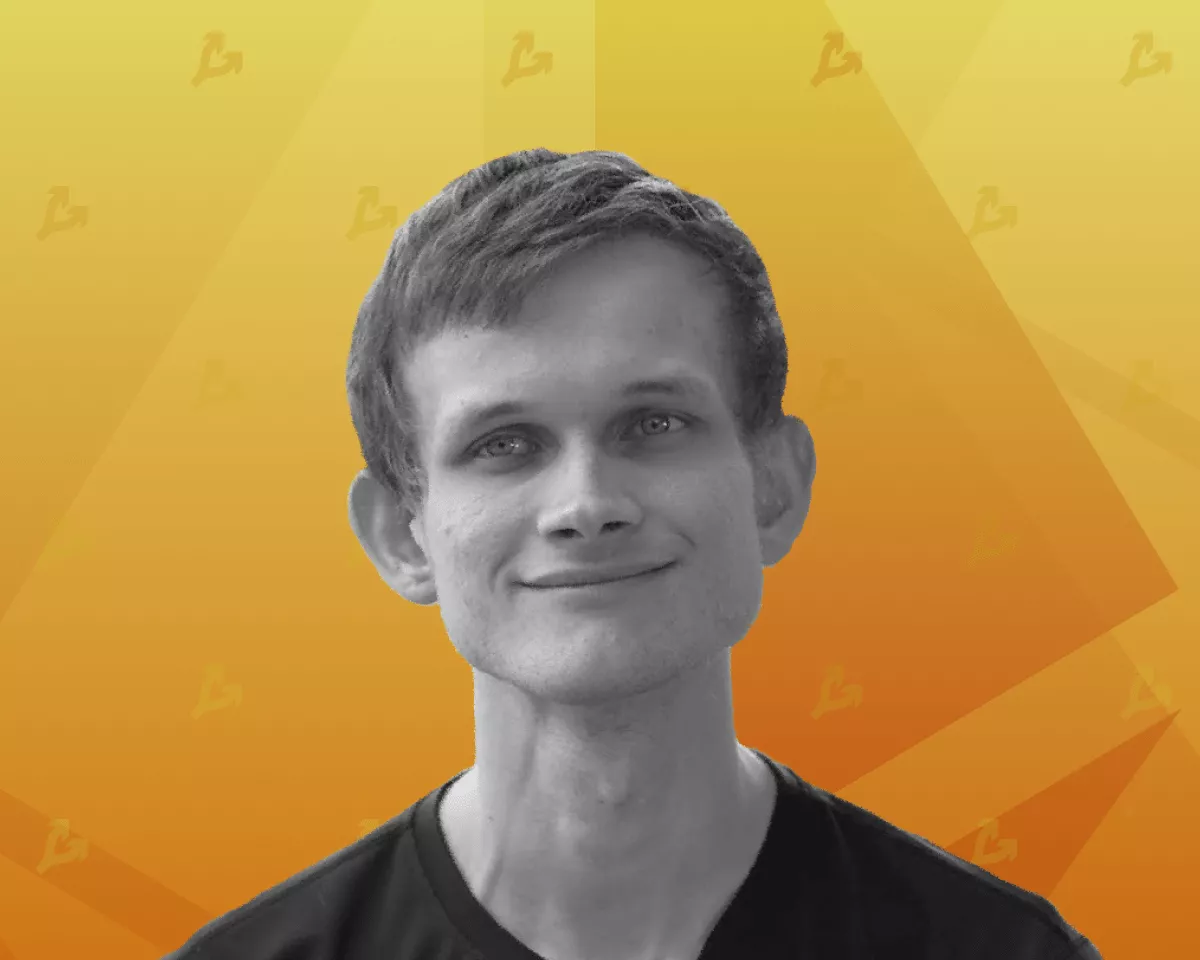
Vitalik Buterin proposed migrating non-fungible tokens (NFTs) issued on the Ethereum blockchain to the layer-2 ecosystem, in a move aimed at cutting gas usage on the mainnet.
We need to move NFTs onto the layer 2 ecosystem to cut fees. However, doing that *right* requires good cross-rollup portability standards, so the ecosystem can avoid getting locked into one particular L2.
I make a cross-rollup portability proposal here:https://t.co/eKRQFSjjUh
— vitalik.eth (@VitalikButerin) September 8, 2021
“To reduce fees, we need to move NFTs to the layer-2 ecosystem. However, to do this ‘right’, good L2 interoperability standards are needed so that the ecosystem does not get locked into a single solution,” wrote Buterin.
The Ethereum founder stressed that the NFT segment requires low fees “because a substantial portion is non-financial in nature.”
For transferring NFTs to the Layer-2 ecosystem, existing solutions such as Arbitrum can be used. However, according to Buterin, this approach has a number of significant drawbacks:
- All major rollup-platforms with support for EVM have backdoors and other security issues, so it is risky to rely on a single solution;
- the NFT ecosystem could become too large to operate on a single L2;
- the NFT ecosystem is not closed — it must interact with other Ethereum projects.
As a possible option, Buterin proposed a system that allows transferring NFTs between rollup platforms or base chains by issuing wrapped tokens.
Currently, Layer-2s cannot interact with each other. Earlier, the Ethereum founder presented a mechanism enabling transactions between different DeFi-protocols using layer-2 solutions in the second-largest cryptocurrency network.
The system for transferring NFTs works similarly. A user mints a token on platform A and transfers it to the “wrapper management contract”. Such a transaction includes a note indicating the platform B to which the asset should be transferred, as well as data about the original owner.
The wrapper management contract stores this information in a dedicated storage and assigns a serial number to the NFT. The user on platform B, knowing the serial number and the address of the token’s original owner, can issue its wrapped version.
The wrapper-management contract retains the transferred information until the token on platform B is redeemed, preventing duplicate issuance of identical NFTs.
According to Glassnode, the NFT segment is the main gas consumer in the Ethereum network, making the question raised by Buterin as topical as ever.
For example, on September 7 and 8, the average gas price in the blockchain stood at 213 Gwei and 156 Gwei respectively, according to Etherscan. Analysts attributed the spike to the NFT collection The Sevens — more than 18,000 addresses competed for the right to receive one of the 7,000 tokens.
As derivatives led the sell-off this week, the value locked in #DeFi protocols has held up remarkably well.
Interestingly, the valuations of #DeFi tokens appears to have dislocated from this uptick in protocol usage and TVL.
Read more in DeFi Uncovered👇https://t.co/CHhKyDCSSG
— glassnode (@glassnode) September 9, 2021
Earlier, Buterin proposed to abandon governance of DeFi projects via token voting.
Follow ForkLog’s Bitcoin news on our Telegram — cryptocurrency news, prices and analysis.