



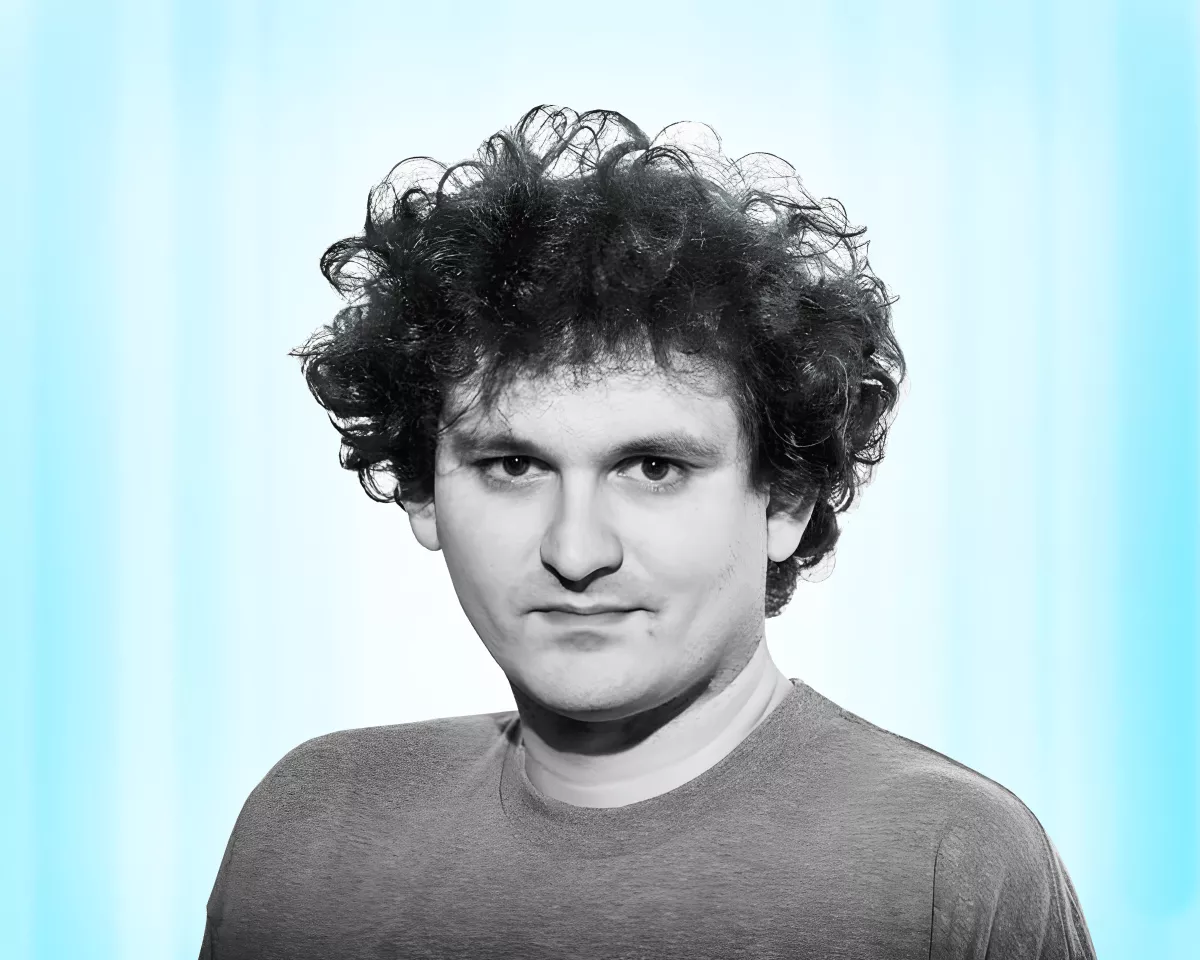
Key facts
- Sam Bankman-Fried, also known as SBF, is the founder of the crypto-derivatives exchange FTX and the firm Alameda Research.
- In 2022 he was named to the TIME 100. Forbes lists him among the wealthiest figures in the blockchain and cryptocurrency industry.
- Bankman-Fried’s personal fortune is roughly $24bn. He is also the sole director of Emergent Fidelity Technologies, which owns a 7.6% stake in online broker Robinhood.
How did Bankman-Fried become interested in cryptocurrencies?
The future entrepreneur was born in 1992 to two Stanford law professors. He graduated from high school in the San Francisco suburbs and attended a Canada–US summer programme for gifted students. In 2014 he earned a BSc in physics and mathematics from the Massachusetts Institute of Technology.


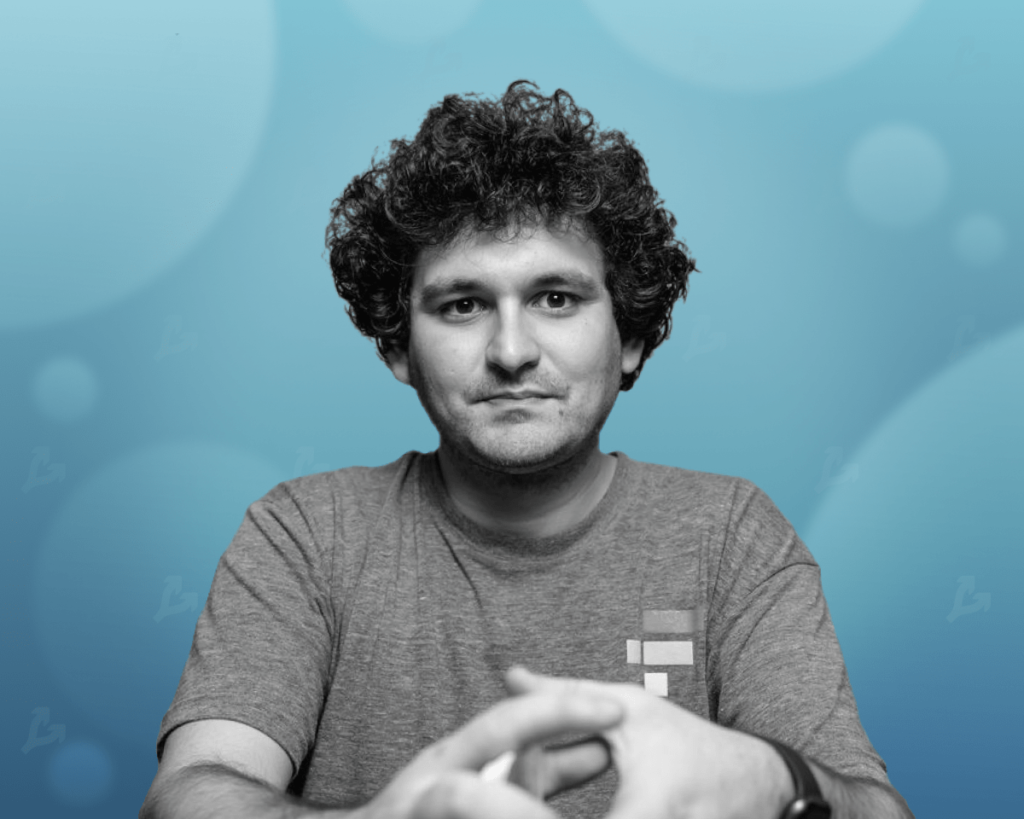
After university, Bankman-Fried joined Jane Street Capital, trading futures, ETFs and equities. Alongside his main job, he served as director of development at the Centre for Effective Altruism.
He learned about bitcoin from Gary Van, a fraternity friend from MIT.
When did Bankman-Fried found Alameda Research?
In September 2017 SBF registered Alameda Research, which within a month was operating under the name Delaware LLC. Gary Van worked on the prototype for the firm’s future automated trading system.
Alameda’s initial edge was arbitraging the “kimchi premium” — the gap between bitcoin prices on South Korean exchanges and global averages. From 2016 to 2018 the premium averaged 4.8%, peaking at nearly 55%. The team arbitraged not only in South Korea but also in Japan. According to Intelligencer, by late 2018 they were executing at least $25m in daily bitcoin trades.
By 2021 the strategy had run its course: the kimchi premium fell to zero.
At the time of writing, Alameda Research is one of the largest market makers, using sophisticated market-neutral trading algorithms. It focuses on digital-asset management, trading, OTC deals and market-making services.
SBF recently stepped down as chief executive; Alameda Research’s operations remain unchanged.
What does Alameda invest in?
Alameda Research invests in a range of crypto and fintech projects.
In the first quarter of 2022 the firm invested in 20 projects across Web3, DeFi, NFT and metaverses. They included the Move-to-Earn (M2E) leader Stepn, the smart-contract platform Near, and Polygon (MATIC), a network of secure L2 solutions and autonomous sidechains, among others.
Alameda Research’s core bets are tied to Solana and its ecosystem. In June 2021 the project closed one of the largest funding rounds in the industry’s history. Alameda Research was a lead investor in Solana Labs, the developer of the Solana blockchain.
Alameda is also a lead investor in the Oxygen protocol launched in the Serum decentralised ecosystem, the Tulip crypto-lending yield aggregator, and the Web3 wallet Math Wallet.
How did Bankman-Fried create FTX?
Soon after launching Alameda, Bankman-Fried grew disillusioned with crypto exchanges. They were ill-suited to large trades and to professional traders.
In May 2019 he founded FTX, headquartered in Hong Kong, with Alameda Research as the main liquidity provider.
FTX targeted sophisticated investors trading derivatives. The exchange regularly rolled out novel, complex instruments for professionals. For example, in 2021 it launched trading in tokenised securities, and in 2022 it said it would start trading tokenised shares in 60 leading companies.
In just three years the exchange chalked up striking gains. The company’s valuation reached $32bn, and FTX raised $400m in a Series C round.
According to its annual report, FTX’s spot trading volume rose 2,400% to $719bn. At its November 2021 peak, daily spot volume exceeded $13.8bn, up 1,690% on 2020. The exchange had 5m registered users.
FTX expanded: in early 2022 it announced FTX Europe, FTX Australia and FTX Japan. It also set up a venture arm — FTX Ventures — to deploy $2bn into startups at various stages.
In a recent interview Bankman-Fried said Alameda Research and FTX intended to support crypto firms amid the market downturn. Earlier, FTX’s operator had helped the Japanese exchange Liquid after its hot wallets were hacked.
In July 2022 the US arm, FTX US, struck a deal with lending platform BlockFi that provided a $400m credit facility and an option to acquire the company for $240m. The platform’s losses were about $80m. BlockFi’s chief said the partnership would allow the losses to be covered without affecting client funds.
What is Sam Bankman-Fried’s net worth?
In 2022 he was named to the TIME 100 and is one of the richest people in the crypto industry according to Forbes.
At its peak, Bankman-Fried’s personal fortune was estimated at $24bn — it consisted largely of roughly 90% of FTX, FTT tokens and other cryptocurrencies.
Bankman-Fried is also the sole director and owner of Emergent Fidelity Technologies, which holds a 7.6% stake in online broker Robinhood. The firm bought 56.28m Robinhood shares for $648.29m at a purchase price of $11.52.
Is SBF a philanthropist?
He has long been interested in the philosophy and social movement of “effective altruism”, whose core idea is to do good on the basis of facts and rational argument.
In 2020 he donated $5.22m to Joe Biden’s presidential campaign fund, and in 2024 Bankman-Fried will allocate more than $100m to the US presidential race.
He has taken the Giving Pledge, a public commitment by wealthy individuals and families to donate the majority of their wealth to charity.
His plans include creating a $1bn fund to help prevent another pandemic.
What does Bankman-Fried think about bitcoin?
Sam Bankman-Fried has said repeatedly that he should not be seen as a “bitcoin maximalist”; he does not believe the leading cryptocurrency will be a primary means of payment.
In his view, bitcoin cannot scale to millions of transactions per second; it is inefficient and its blockchain carries environmental downsides.
He argues that a proof-of-stake consensus is better suited to a functional crypto-payments network. Bitcoin can and should remain an asset, a commodity and a store of value, while low transactions per second (TPS) can be addressed with L2 solutions.
What does he think about other cryptocurrencies?
From the outset, Bankman-Fried predicted a bright future for projects built on Solana.
He believes that Solana’s speed and scalability could make it not only a leading blockchain but “the new bitcoin”. In early 2021 SBF won a bet: he backed SOL on Twitter when it traded at $3; the token went on to reach an all-time high of $250 that year.