




On May 10, Zilliqa developers announced the full restoration of network functionality following issues with block production.
The Zilliqa network is back online following temporary disruptions to block production on mainnet. Functionality has now been restored and the network is once again processing transactions normally.
The infrastructure team continues to monitor the stability of the network as it…
— Zilliqa (@zilliqa) May 10, 2024
The team clarified that they are “monitoring the network’s stability while attempting to diagnose the root cause of the recent disruptions.”
On May 8, block generation in the network slowed down and transaction processing ceased within less than an hour. This allowed the protocol to clear the mempool and resume normal operations within 30 minutes.
Developers stated they are investigating the causes of the incident. The following day, they acknowledged that network issues persisted.
Technical specialists created internal testnets to verify fixes for the presumably identified bugs.
They released the necessary software update in addition to the scheduled animated update Zilliqa v9.3.4 and announced the restoration of blockchain operations.
However, by the evening of May 9, developers admitted that they had not fully resolved the underlying causes of the network stoppages.
They assured users that their funds are safe and that balances can be checked via the blockchain explorer.
In December 2023, Zilliqa had faced similar issues when the network did not process blocks for more than half a day. In July 2022, the team had to restart the protocol following a smart contract failure.
The project’s token, ZIL, reacted to the latest incident with a sharp drop but then recovered to around $0.025. However, after the announcement of the issue’s resolution, the asset unexpectedly plummeted. At the time of writing, quotes are at $0.023. The decline is accompanied by a sharp increase in trading volumes.


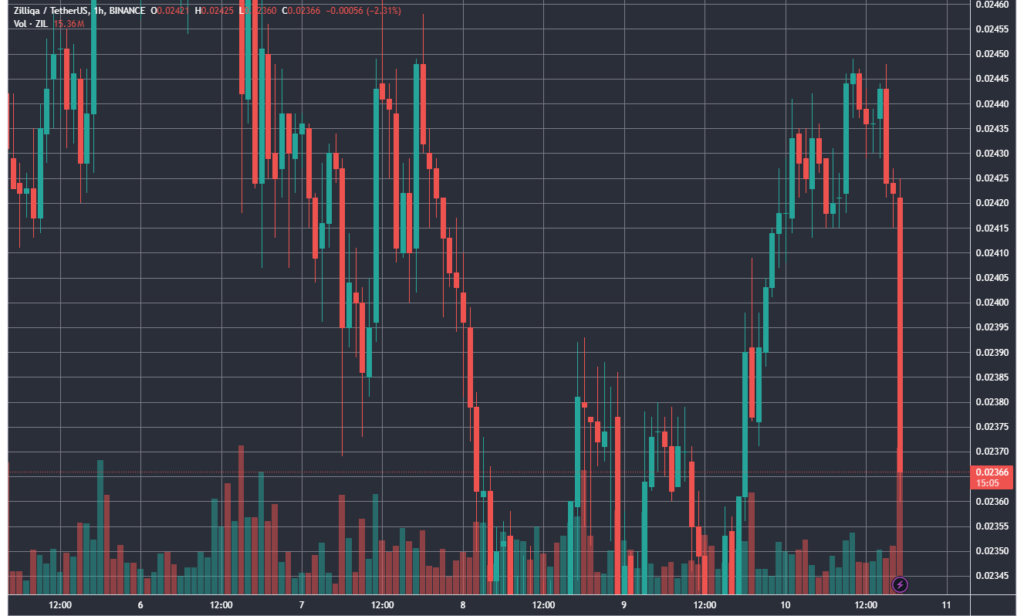
ZIL’s market capitalization is approximately $434 million. Compared to its peak in May 2021, the token’s price has lost over 90%.
Analysts at AlphaQuest, while counting the number of “dead” cryptocurrencies, classified the Zilliqa ecosystem as one of the most affected in the industry.