


NFT scams: common schemes and how to protect yourself
As the market for non-fungible tokens (NFT) has grown, so too have scams. From fake projects to phishing attacks, fraudsters keep finding new ways to dupe credulous investors. Grigory Osipov, director of investigations at “ШАРД”, told ForkLog about the most widespread NFT frauds and shared tips on safeguarding assets.
Types of NFTs
Artworks
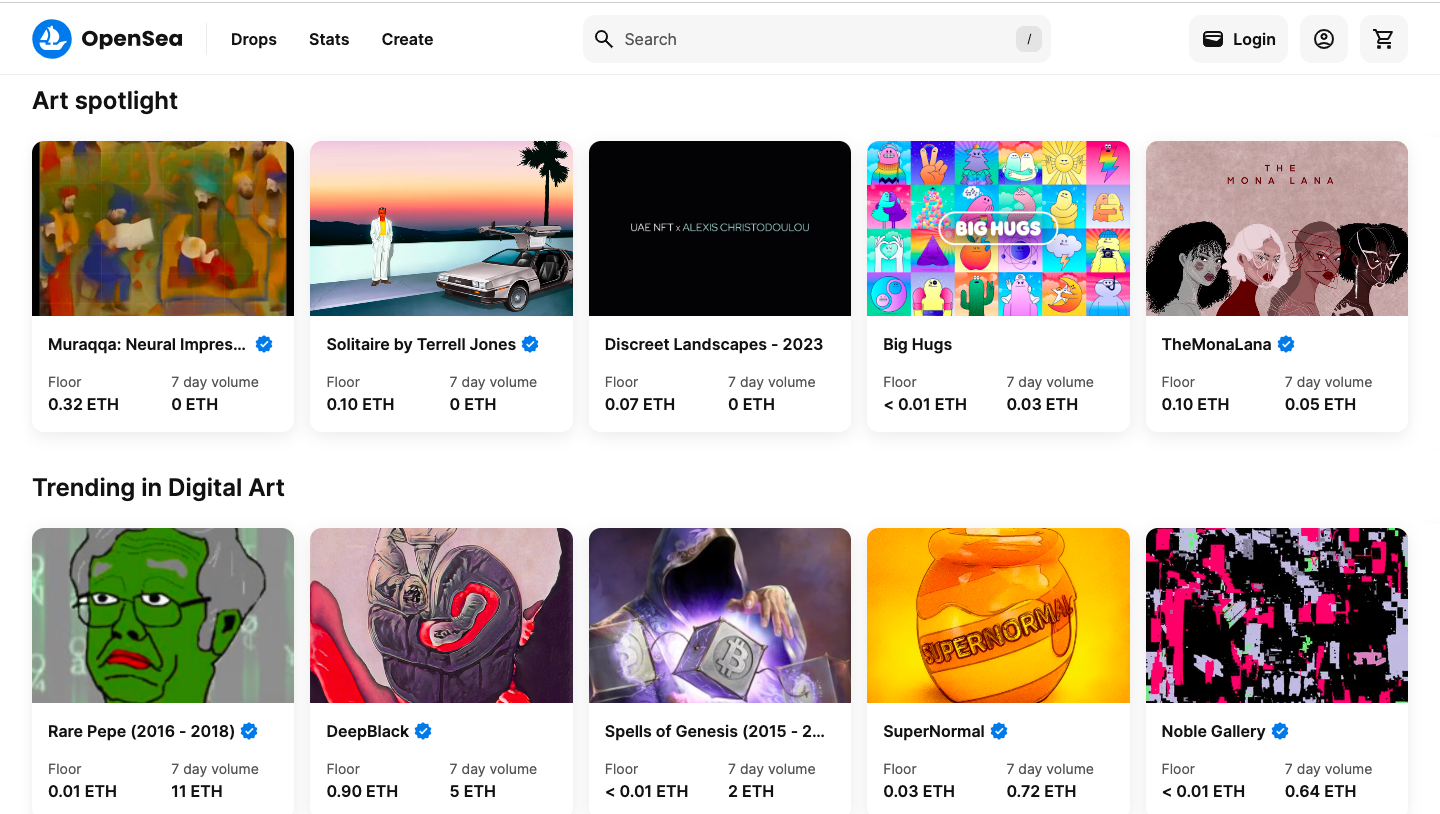
Trading in NFT art takes place on specialised platforms such as OpenSea, Rarible, Foundation and SuperRare. A major advantage of NFTs for artists is the ability to receive royalties from every subsequent sale of their works.
Monetising digital creativity has been made possible by blockchains, which ensure the authenticity and uniqueness of works—crucial for collectors. NFTs contain metadata confirming authorship and provenance, and can be bought and sold from anywhere in the world.
Artists collaborate with brands, musicians and other creatives to launch unique NFT collections that attract attention and command high prices. The rise of virtual galleries and exhibitions is also opening new ways to engage with digital art.
NFT games
In games, NFTs are used to create unique digital assets such as items and characters. Each element is a distinct token on a blockchain, which guarantees ownership and prevents counterfeiting or substitution.
Users can earn real money by selling their in-game assets on external marketplaces. For example, in Axie Infinity, The Sandbox and Decentraland, players breed fantastical creatures, buy plots of virtual land and create content for sale to other users. This builds a new economic ecosystem inside metaverses, where virtual assets have real value.
NFT staking
This is a process whereby NFT holders “lock” them on a specific platform or in a smart contract. In return they receive rewards in the form of cryptocurrencies, other tokens or exclusive privileges. Staking provides passive income without selling the assets.
NFT passes
These are digital tickets represented by unique non-fungible tokens. They are used to access various events such as concerts, sports competitions, exhibitions, conferences and other gatherings.
Unlike traditional tickets, NFT passes offer benefits tied to their uniqueness, security and added engagement: access to VIP areas, exclusive content and the ability to purchase limited merchandise.
What drives NFT prices?
Uniqueness and scarcity. The more exclusive an NFT, the higher its value. Unique artworks or rare in-game items can command high prices because of their limited supply.
Popularity and demand. Prices can rise sharply when NFTs become popular among collectors and investors.
Utility. In the games industry, value may depend on usefulness. Items that confer significant advantages almost always cost more.
Market depth and liquidity. On active markets with many buyers and sellers, prices can be higher and more stable.
Despite their popularity, NFTs lack standards and regulation, creating opportunities for fraud. Many users do not fully understand how the technology works. Anonymity and decentralisation also make it harder to trace scammers and hold them to account.
NFT fraud
Rug pull
This scam sees promoters talk up a project on social media, then abruptly withdraw support and seize investors’ money after a price surge. The value of the NFTs collapses to zero, leaving holders nursing losses. A variation involves developers disabling the ability to sell the token.
Phishing
This includes deceptive ads via fake websites and pop-ups that solicit private wallet keys or 12-word seed phrases. Once they gain access, scammers drain the victim’s cryptocurrencies and NFTs.
Bidding scams
These occur when investors try to resell NFTs on the secondary market. After tokens are listed, bidders may switch the preferred payment to a low-value cryptocurrency without disclosure, causing losses for the seller.
Pump-and-dump schemes
Groups of fraudsters buy up NFTs to inflate demand artificially. Unsuspecting investors, thinking the asset has value, join in and bid higher. Once the price rises, the scammers sell for a profit, leaving buyers with worthless tokens.
Inflated pricing
Fraudsters trade NFTs among themselves at exaggerated prices to create the illusion of strong demand.
Counterfeit NFTs
Fakes arise when scammers steal an artist’s work and list a counterfeit on a marketplace, selling it at auction. Unwitting buyers end up with a token that has no value.
Investment fraud
Given the relative anonymity of Web3, criminals often launch projects that look viable but then disappear with contributors’ funds.
The company “ШАРД” has repeatedly encountered investment fraud in the NFT sphere. In mid-2023, for example, a scammer formed a group on a Telegram channel and proposed buying NFTs whose value, he claimed, could surge. Investors put several million dollars’ worth of digital assets into the project.
At first, the fraudster paid “interest” to depositors using their own funds and money from other participants, but later laundered the cryptocurrency through exchange services, bought a luxury apartment in “Moscow-City”, a Lamborghini, and moved to Dubai, stopping all payments. The victims went to the police. On a subsequent visit home, the scammer was detained by law enforcement, and a criminal case was opened under Article 159 of the Russian Criminal Code (“Fraud”).
In its 2023 cybercrime report, Chainalysis noted a rise in NFT-related fraud. According to the analysts, the average haul for scammers in this area grew to $3,000.
By 2025, the global NFT market is expected to достигнет $80 billion. That is likely to further increase the number of scams involving non-fungible tokens.
How to avoid being scammed
Check the project’s creators. Ensure there are reputable developers behind it with solid feedback on social media. Lots of followers but little engagement can be a red flag.
Protect your wallet keys. Never enter wallet keys in pop-ups or on suspicious websites. Go directly to trusted platforms for crypto transactions. Do not use links from pop-ups or emails to submit private information.
Do your research before investing. Before buying, make sure the NFT belongs to a verified account and a real artist. Check the creator’s contact information and transaction history. If it is limited to a single date, that may indicate a scam.
Рассылки ForkLog: держите руку на пульсе биткоин-индустрии!