


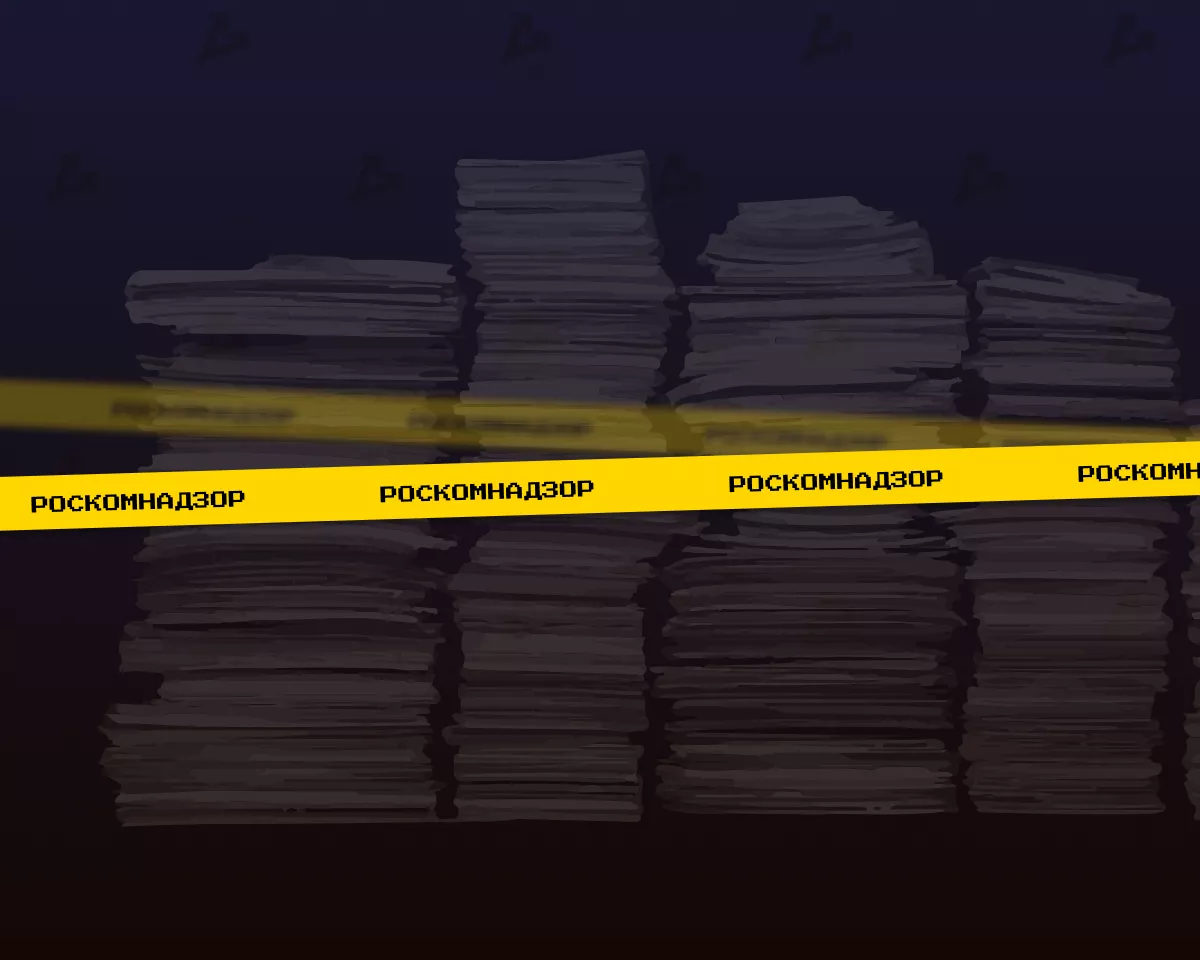
Not Prohibited by Law: Why You Shouldn’t Abandon Crypto Services Over Blockades
In July 2020, the State Duma passed the Law on Digital Financial Assets (the “DFA Law”). The document brought cryptocurrencies into the legal framework, but Roskomnadzor continued to block sites with information about them.
In August, the BestChange portal was added to the register of blocked sites. In September Roskomnadzor issued decisions to block the cryptocurrency exchange Binance, the mirrors of the p2p platform LocalBitcoins and the cryptocurrency exchange Mine.Exchange.
Together with Mine.Exchange we explain whether blockades always indicate illicit activity of a resource, and provide guidance on choosing a reputable cryptocurrency exchange.
The DFA Law: what changes with the new year
The DFA Law comes into force on 1 January 2021. It defines cryptocurrencies but prohibits their use as a means of payment. Moreover, the document does not regulate the activities of miners, crypto exchanges, and exchangers.
Prosecutors began to withdraw claims even at the consideration stage of the DFA bill. For example, in May 2019 the Omsk prosecutor’s office withdrew a suit to block the BestChange service.
However, practice did not become widespread: Russian courts continued to issue boilerplate rulings to block cryptocurrency services. The grounds for blocking were identical in all cases:
“Cryptocurrencies, including Bitcoin, are monetary surrogates, they contribute to the growth of the shadow economy, and cannot be used by citizens and legal entities on the territory of the Russian Federation”.
The State Duma is discussing amendments that will supplement the existing law and help avoid repeat improper blockades. Mine.Exchange’s chief executive Steve Bit is confident that the fate of exchange services in Russia depends on these amendments:
“The law is written quite competently and correctly, but without additions from the criminal code and the tax part, it will be of little use. We wrote a letter to the central bank asking for clarification on the application of the law, but we did not receive a response. I’m afraid nothing will change before January 1.”
At the end of November, the Russian government introduced a bill to the State Duma on the taxation of cryptocurrencies. The document obliges citizens and companies to report to the tax authorities on cryptocurrency operations if the amount of operations for the year exceeds the equivalent of 600,000 rubles. However, regulators are not discussing a complete ban on cryptocurrency services in Russia.
Fighting fraudsters before the law: why exchanges need AML services
According to analytics company Chainalysis, one in every hundred Bitcoin transactions is linked to illicit activity. Law-abiding users can obtain “dirty” cryptocurrency on a crypto exchange or exchanger without AML services.
AML services are blockchain-analysis solutions from Chainalysis, CipherTrace, and Bitfury. They allow tracing Bitcoin transactions related to money laundering and darknet operations.
When transferring to a platform that supports AML, a user may lose funds: the trading venue will automatically block “dirty” bitcoins. To prevent such situations, Mine.Exchange uses Crystal, a service from the blockchain company Bitfury.
Crystal assigns the outgoing transactions of Mine.Exchange and the mirrors of the service shakhta.com the status “exchange”. It means that the cryptocurrency was obtained cleanly: exchanges and crypto exchanges will not block such transactions.
How to choose a reliable exchange: Mine.Exchange’s advice
First decide which cryptocurrencies you will exchange. Choose a service that supports those currencies and your preferred payment method.
Compare rates on exchange-monitoring services, such as BestChange, Udifo, or OKchanger. These services check the uptime of exchanges, their reserves, attestations and accounts with payment systems. In addition, pay attention to the following parameters:
- Domain-registration date. This can be checked on the Whois service. Exchanges that appeared only a few weeks ago are more likely to be scams.
- Payout method. Choose automatic exchanges: they will transfer money faster than services with payouts through operators.
- Reviews and analyses. Read reviews on exchange aggregators and reviews on thematic resources. Do not trust services with a large number of disputes.
- Customer support. Contact the exchange’s support. Quick responses and polite consultants are a sign of a good service. The quality of service is also indicated by having multiple channels of contact: email, Telegram account, phone and others.
After choosing an exchange, ensure that it securely stores users’ funds. According to Mine.Exchange’s CEO Steve Bit, many exchanges keep cryptocurrency on exchange accounts. In a force majeure scenario, services would lose access to user assets. To avoid freezing funds, as in the OKEx situation, Mine.Exchange stores cryptocurrency on decentralized servers.
Conclusions
The blocking of cryptocurrency services by Roskomnadzor does not indicate illegality. Cryptocurrency legislation in Russia is only beginning to take shape. At present, courts continue to issue boilerplate rulings to block exchanges, trading platforms, and crypto-news resources.
Absence from the blocked-sites register is not the best criterion for choosing an exchange. Pay attention to technical solutions, the service’s reputation, and how it protects users from fraudsters.
Subscribe to ForkLog news on Telegram: ForkLog FEED — the full news feed, ForkLog — the most important news and polls.
Рассылки ForkLog: держите руку на пульсе биткоин-индустрии!