



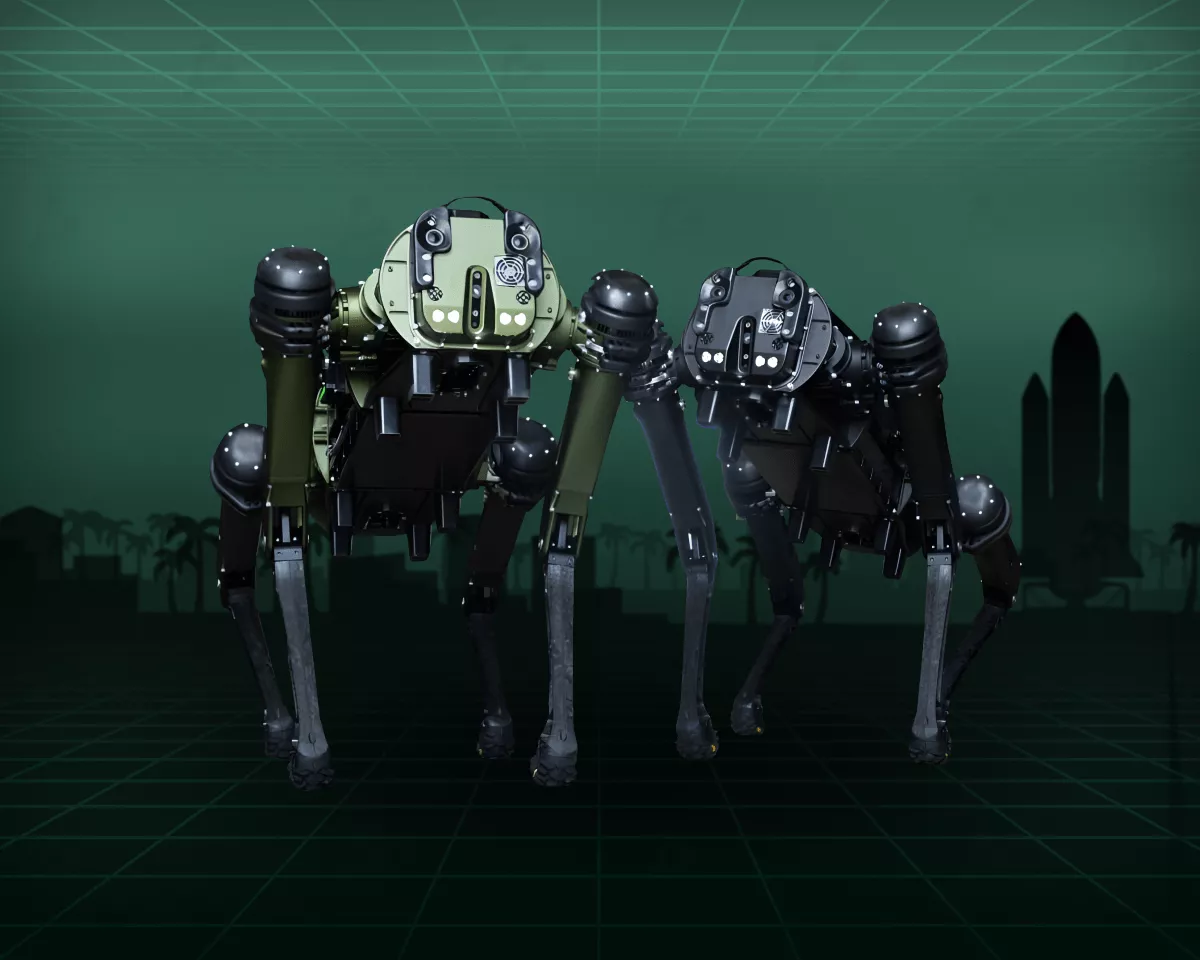
Nvidia Corporation has introduced a suite of AI models, libraries, and other infrastructure for robotics developers. A key product is Cosmos Reason, a vision-language model with 7 billion parameters and “reasoning” capabilities for physical AI applications and bots.
👀 Get a first look at how synthetic data, 3D graphics, and AI advancements are changing the game and explore how Physical AI is shaping smarter, more capable machines. 🦾
🤖✨ #NVIDIACosmos + Nemotron reasoning models use synthetic data to supercharge multimodal learning —… pic.twitter.com/2tmRsry5Q7
— NVIDIA AI Developer (@NVIDIAAIDev) August 11, 2025
Other new solutions include:
- Cosmos Transfer-2 — a neural network capable of accelerating the generation of synthetic data based on 3D simulations or spatial control signals;
- a simplified version of Cosmos Transfer — optimized for higher operational speed.
Nvidia emphasized that the models are designed to create synthetic text, graphic, and video datasets that can be used for training robots and AI agents.
Cosmos Reason enables bots to “reason” and plan future steps thanks to its memory and understanding of physics.
New libraries for neural reconstruction have also been introduced, including a module for a rendering method that allows developers to recreate the real world in 3D using sensor information. This technology is integrated into the open simulator CARLA, a popular platform for developers. Additionally, an update for the Omniverse kit has been released.
New servers for robotics workflows have been introduced. The Nvidia RTX Pro Blackwell Server offers a unified architecture for workloads in bot development, while Nvidia DGX Cloud provides a cloud management platform.
The announcements coincide with Nvidia’s active expansion in the field of robotics, seeing potential demand for graphics cards in the industry.
Robots Still Lack AI
The primary challenge in the industry remains the integration of AI technologies. This is necessary for the mass deployment of humanoid bots, stated Unitree CEO Wang Xinxin.
He compared the current situation to the “ChatGPT breakthrough moment” in 2022 and believes that a growth spurt in the robot sector will occur within one to three years.
“The industry knows which direction to move in, it’s just that no one has implemented it yet,” the expert added.
Wang’s company introduced the R1 humanoid for $5900, but it has not yet entered mass production.
China is actively ramping up efforts in this area. In 2025, the country held a half-marathon among robots, a muay thai-style tournament, and a football competition. However, these events are hard to call a technological breakthrough — most participants stumbled, lost balance, or failed to finish.
Unitree gained significant recognition after its humanoids were showcased at a national television gala concert celebrating the Spring Festival.
In July, TikTok’s parent company ByteDance introduced a system that acts as a “brain” for robots.
Amazon is developing AI software that will enable humanoid bots to deliver packages in Rivian electric vans.