



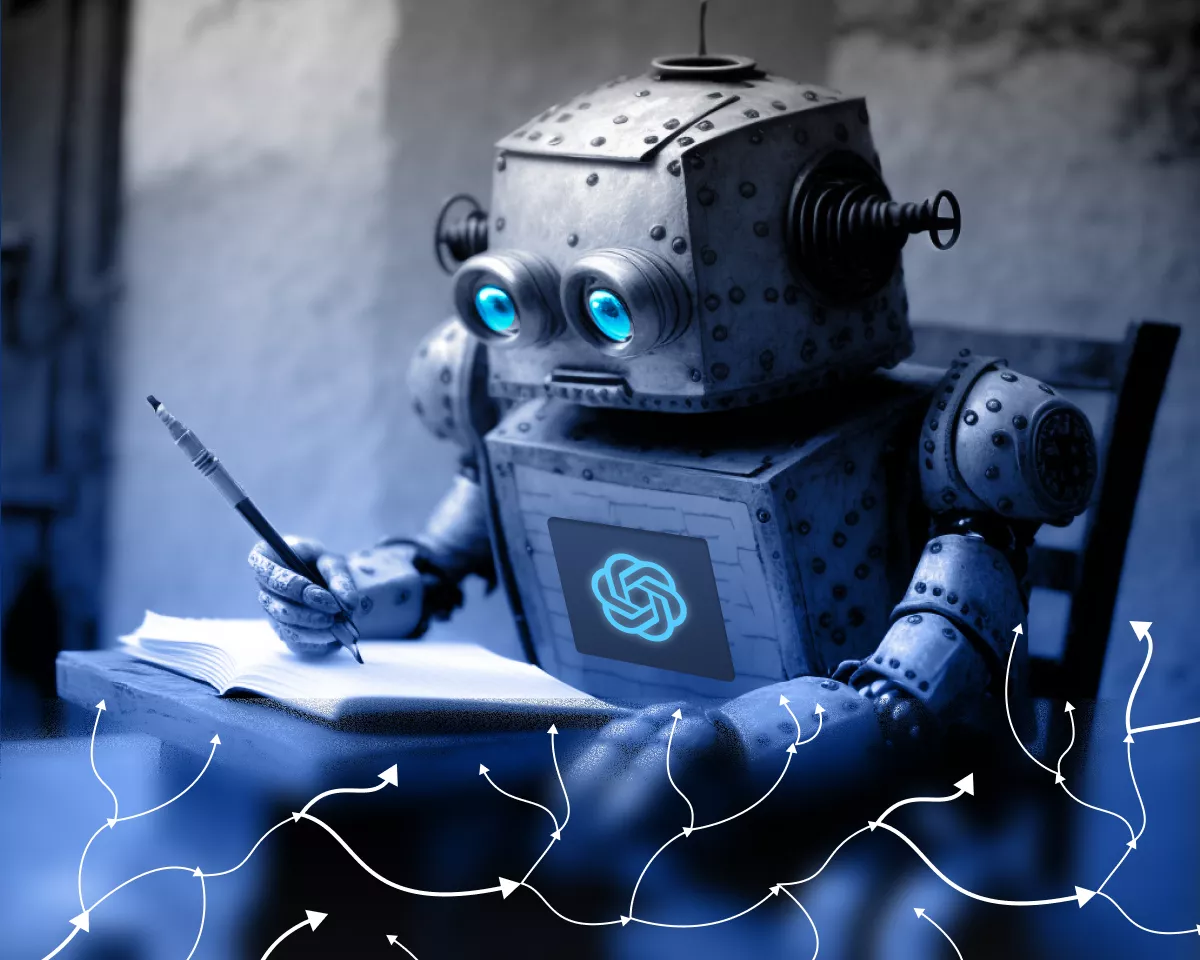
- OpenAI will display content from Vogue, The New Yorker, Wired, and other publications through a partnership with Condé Nast.
- OpenAI is testing new search features alongside the introduction of SearchGPT.
- Anthropic faces a class-action lawsuit for copyright infringement.
The AI company OpenAI announced a partnership with publisher Condé Nast to display content from major publications.
Through this agreement, materials from Vogue, The New Yorker, Condé Nast Traveler, GQ, Architectural Digest, Vanity Fair, Wired, Bon Appétit, and others will be available in ChatGPT and SearchGPT.
“We are committed to collaborating with Condé Nast and other news publishers to ensure that as AI plays a larger role in search and news delivery, it maintains accuracy, integrity, and respect for quality reporting,” said OpenAI’s Chief Operating Officer Brad Lightcap.
OpenAI is testing new search features alongside the introduction of SearchGPT, which offers direct links to news articles. Successful features will be added to ChatGPT in the future.
In June, OpenAI and TIME entered a multi-year partnership, granting the AI startup access to current content and over 100 years of the magazine’s archives.
AI models are often criticized for stealing copyrighted content.
Previously, OpenAI faced several lawsuits over alleged copyright violations. On June 27, the Center for Investigative Reporting filed claims against the company and Microsoft.
In December 2023, The New York Times filed a lawsuit against the AI startup for intellectual property violations.
Lawsuit Against Anthropic
On August 19, a class-action lawsuit was filed against the AI startup Anthropic in a federal court in California over copyright infringement.
“Anthropic has built a multi-billion dollar business by stealing hundreds of thousands of copyrighted books,” stated the three authors of the document.
Andrea Bartz, Charles Graeber, and Kirk Wallace Johnson claim that a crucial component of the company’s business model and its flagship family of large language models, Claude, is “large-scale theft of copyrighted works.” According to the lawsuit, the firm downloaded pirated versions of works, made copies, and uploaded them into its models.
In June, Anthropic introduced Claude 3.5 Sonnet—an AI model that “outperforms competitors and Claude 3 Opus across a wide range of tests.”