




Chainalysis and Flashpoint specialists analyzed the operation of the Hydra darknet marketplace. According to the study, vendors are forced to convert cryptocurrency into rubles to cash out.
Initially, Hydra was best known primarily as a marketplace for selling drugs. However, today cybercriminals use it for a wide range of operations, including the sale of stolen data and money laundering, according to experts.
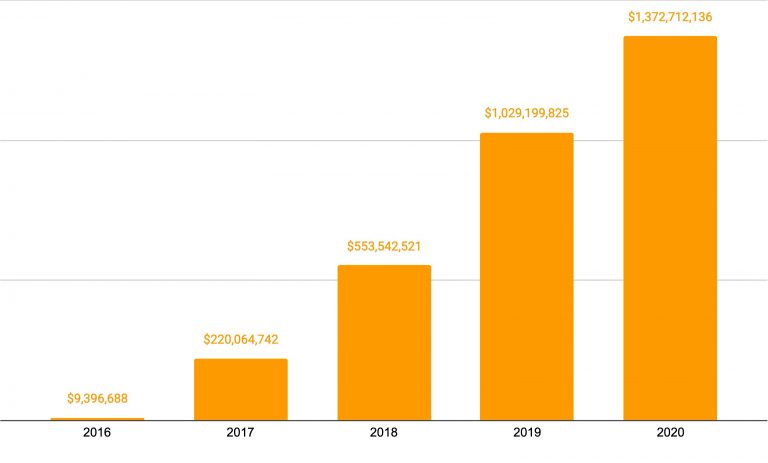
Experts note that Hydra’s popularity grows year by year — transaction volume rose from nearly $9.4 million in 2016 to $1.37 billion by the end of 2020.


Primarily, Hydra conducts transactions through cryptocurrency exchanges. Many of them are classified by Chainalysis as high-risk — with weak KYC procedures or their absence.
However, for some exchanges that interact with the marketplace, the transactions relate to legitimate activity, according to analysts.


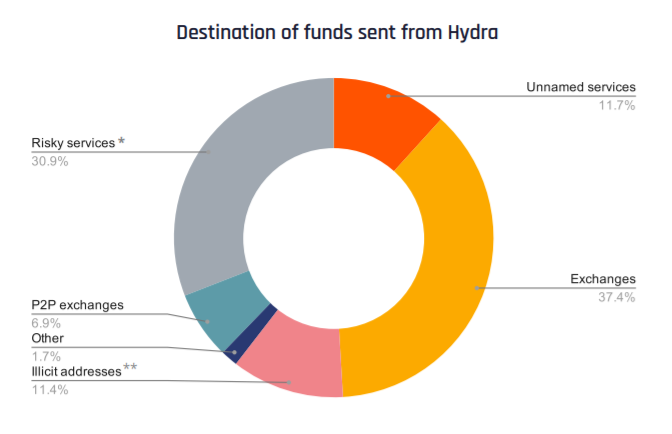
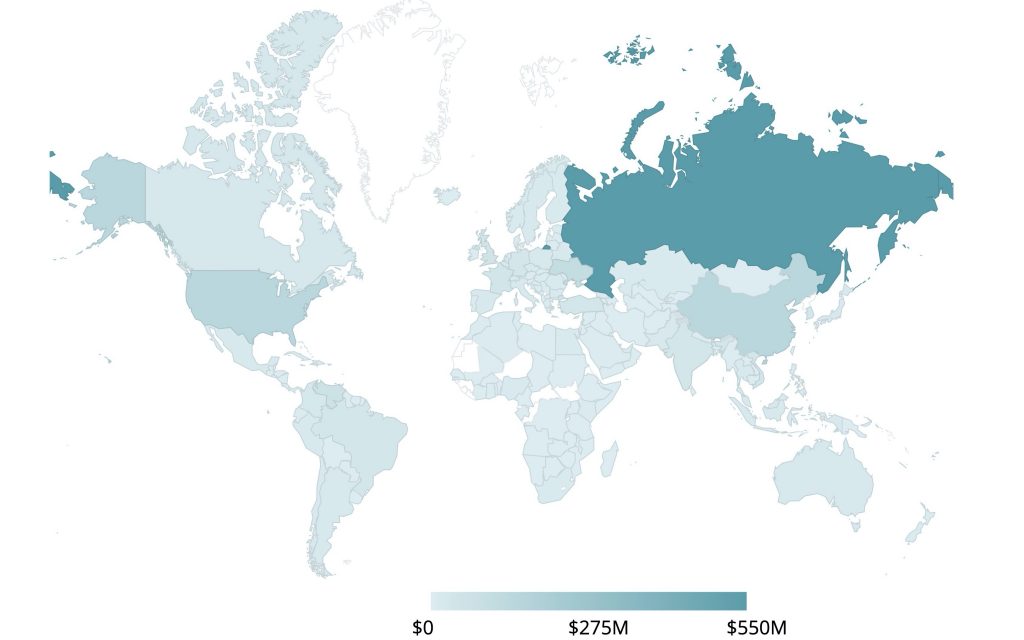
“Moreover, the overwhelming majority of funds from Hydra are sent to accounts and services that primarily serve clients located in Russia,” the report notes.


According to specialists, since July 2018 Hydra introduced strict restrictions for marketplace sellers. They were allowed to withdraw digital currencies only through certain payment services and e-wallets, converting them into rubles.
Also, to withdraw funds, sellers must perform more than 50 transactions on Hydra, and their wallets must hold funds equivalent to $10 000.
Because of these restrictions, criminals began selling compromised accounts of “approved” sellers.
Another popular method of cashing out cryptocurrency became the storerooms system.
Experts note that opaque transactions and forced conversion to fiat through regional payment systems complicate the fight against cybercrime.
Primarily, Hydra serves the countries of the former Soviet Union, the study notes. The marketplace planned to scale its operations globally, but later the operators postponed the plans.
As of 2021, this had still not materialized, according to specialists.
In late 2019, Hydra announced plans to launch a transnational decentralized marketplace for the sale of prohibited goods. To fund the project the marketplace planned to conduct an ICO.
Read ForkLog Bitcoin news on our Telegram — cryptocurrency news, rates and analysis.