


Scientists from the Swiss Federal Institute of Technology Zurich have developed a method for creating mathematically flawless randomness. This technology addresses vulnerabilities in digital systems and cryptography.
Modern random number generators often make systematic errors. In cryptography, even the slightest deviation can become a loophole for hacking. The team led by Renato Renner and Andreas Wallraff discovered a way to transform “weak” randomness into completely reliable sequences.
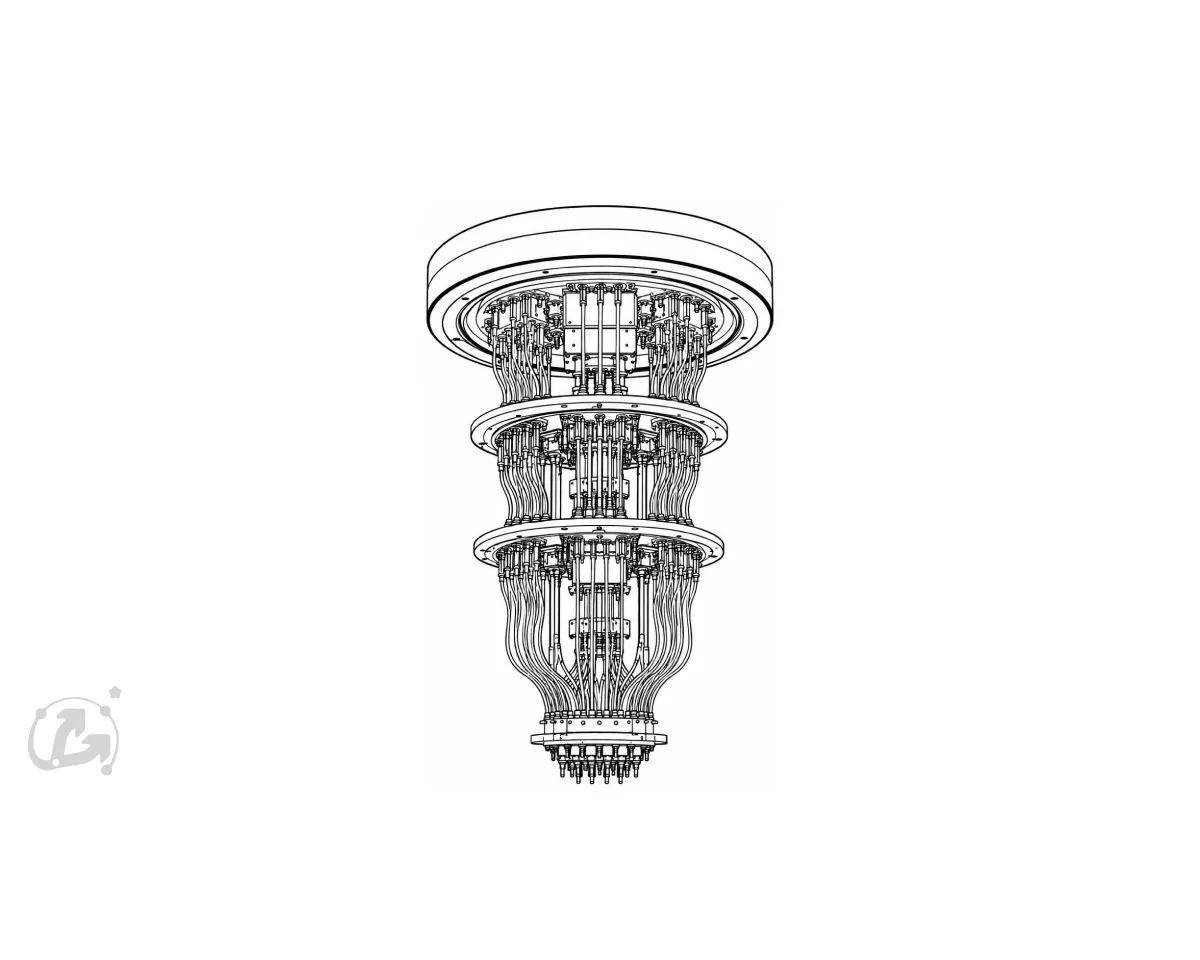
For the experiment, the scientists used two superconducting qubits connected by a 30-meter vacuum cable. Chips cooled to near absolute zero provided quantum entanglement. The 30-meter distance ensured no information exchange between particles, even at the speed of light.
The essence of the method lies in “randomness amplification.” The researchers combined imperfect input data with quantum measurement results and a special algorithm. The result was a sequence of numbers whose randomness can be mathematically verified.
The quality of data protection directly depends on the reliability of the random number generator: the higher the randomness, the harder it is to breach the system.
The authors compared the result to creating atomic clocks for the data world. In the future, the technology could enhance the security of blockchains, lotteries, and quantum encryption systems.
Earlier in May, Australian researchers developed a nanoscale photonic circuit that integrates the generation, routing, and reading of light signals on a single chip.