



The recent Bitcoin halving has not diminished the enthusiasm for mining among Russian investors. According to a survey by Intelion Data Systems, 38% of respondents began investing in this sector shortly before the event, reports Kommersant.
Data from the equipment supplier, part of the Association of Industrial Miners, indicates that 14% of respondents directed capital towards this activity back in 2022, “when the cryptocurrency market became more accessible to the general public.”
9% did so during the boom in 2017, and only 2% have been mining for more than ten years.
The survey, conducted in June, included 400 participants.
The publication noted respondents’ willingness to invest “thousands and millions of dollars,” despite the rising cost of mining the first cryptocurrency and the prospect of further reduced profitability if specific laws are enacted.
According to Alexander Peresichan, CEO of Tehnobit, the average cost of mining 1 BTC globally is $40,000.
Previously, BitRiver estimated the cost of Bitcoin mining in Russia post-halving at $24,000, as noted by Kommersant.
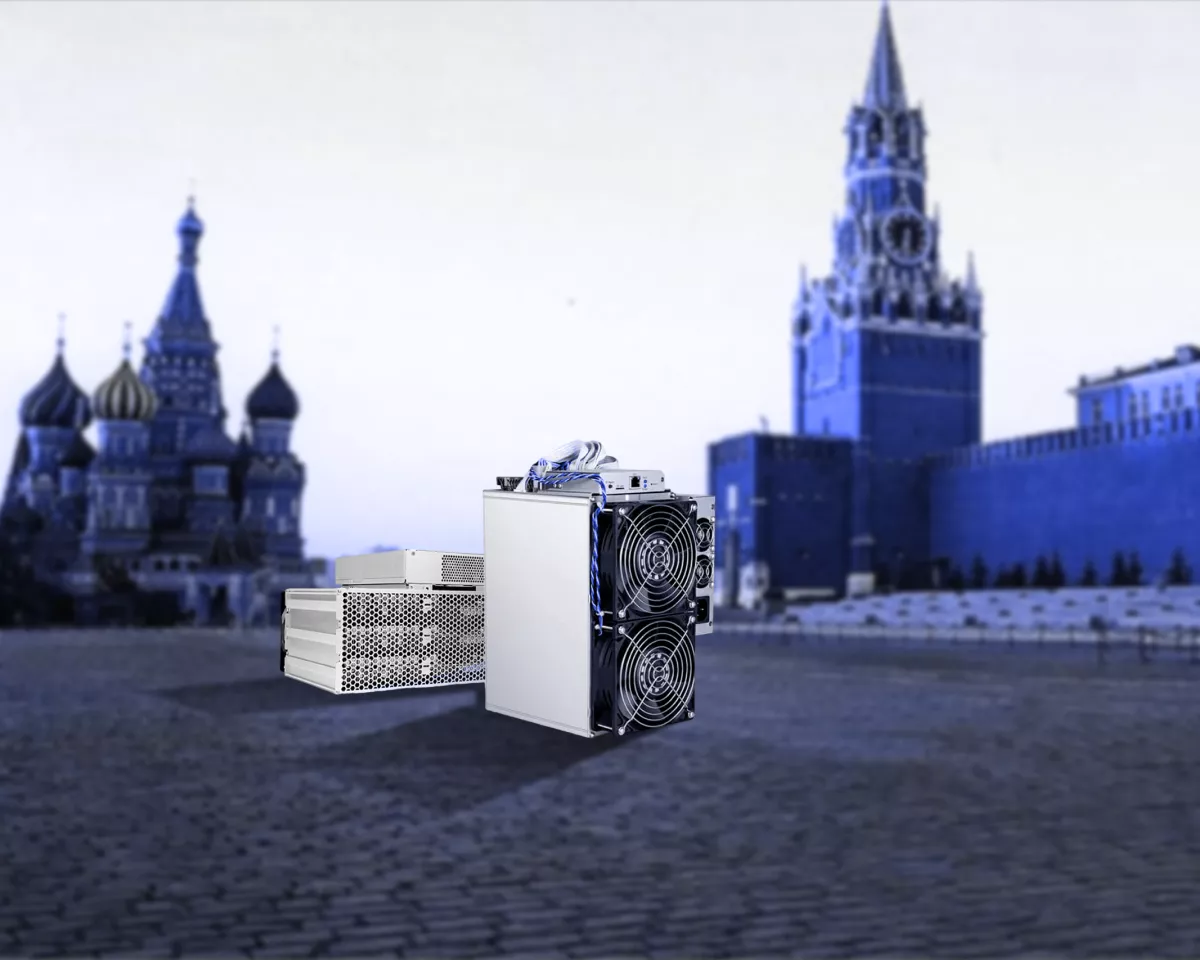
Dmitry Tuchinsky, CEO of Mining Group, believes the barrier to market entry is low—”one can start with just one ‘ASIC’ [an integrated circuit used in cryptocurrency mining].”
According to industry websites, minimum prices start at $600 but can reach several thousand dollars. One must also consider electricity costs, including device cooling, premises rental, and equipment maintenance.
For this reason, 21% of those surveyed by Intelion Data Systems are waiting for the right moment to start investing, while 11% do not plan to begin mining, “considering the process too complex.”
In June, the legal department of the Russian State Duma’s Apparatus recommended revising the current draft law regulating cryptocurrency mining. The current version of the document was submitted to the lower house of the Federal Assembly at the end of April.
According to its provisions, Russian legal entities and individual entrepreneurs included in the relevant registry will be able to engage in cryptocurrency mining. Individuals will be allowed to mine cryptocurrencies provided they adhere to government-established energy consumption limits.
The draft law requires miners to report mined cryptocurrencies to the tax authorities, specifying the address of credit, and grants the government the right to prohibit cryptocurrency mining in certain regions.