



In November 2021, the startup RMRK (pronounced “remark”) unveiled the eponymous suite of NFT standards that let tokens change appearance, hold multiple digital objects, and even own assets.
We explain the features of RMRK and the projects that use it: marketplaces, games and social networks built on the Subsocial platform.
The role of standards in blockchain
A standard is a document with rules and requirements: for products, processes in manufacturing, interactions between components of different systems, and much more.
Such documents exist in nearly all areas of human activity, including high-tech industries. USB is an example: this specification unifies connector and cable types, energy-use norms and data-exchange protocols. Device manufacturers must adhere to the rules, or the products they make will not work with one another.
In the blockchain industry there are also widely accepted standards: the Merkle tree for verifying the validity of operations, the BIP-39 mnemonic phrase generation, accounts as a unit of data storage, and token standards that ensure the compatibility of digital assets with dapps.
One of the best-known smart-contract standards is ERC-20 — it specifies requirements for functions to transfer tokens, read balances, and grant approvals for transactions. Developers add handlers for these functions in dapps so that users can interact with any assets of this model.
RMRK approach
RMRK is a system of standards consisting of nine specifications (legos) for EVM blockchains and the Kusama network, which can be combined to create tokens with particular properties.
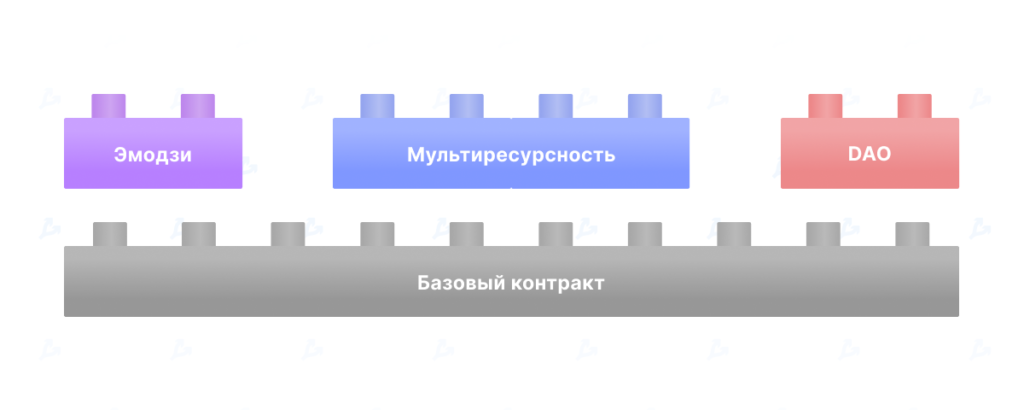
To issue an NFT with RMRK, a developer deploys a base smart contract (base) to create tokens and hold balances, as well as legos with the required functions:
- Nested (composable) — the ability to embed other NFTs;
- Multi-resource (multi-resource) — linking several objects of different types: image, video, audio, or 3D models;
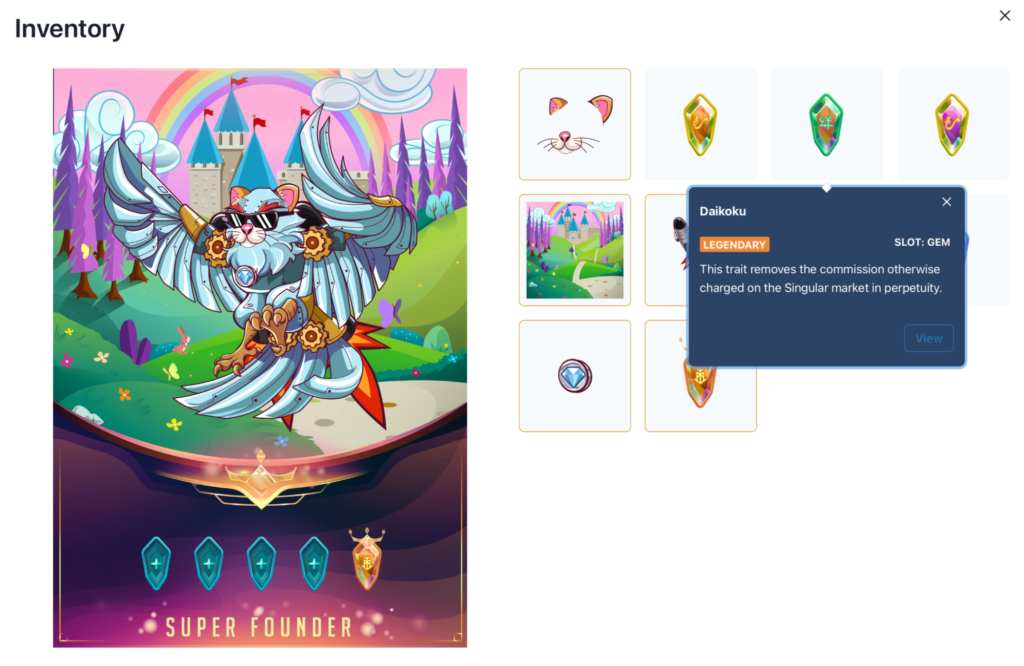
- Equippable (equippable) — changing a property or appearance by “wearing” compatible NFTs;
- On-chain emotes (on-chain emoji) — displaying user reactions;
- Conditional rendering (conditional rendering) — changing appearance depending on on-chain or off-chain values;
- NFTs as DAO (NFT as a DAO) — splitting and joint governance of an NFT;
- Non-transferable (non-transferable) — prohibition on sending to another address;
- Provable digital scarcity (provable digital scarcity) — prohibition on using a token in multiple projects simultaneously;
- Ownership of experience (ownership of experience) — evolution and storage of the history of interaction with the blockchain ecosystem.


The new standards aim to increase NFT value and incentivise the purchase of such tokens, for example:
- Using Multi-resource and Ownership of experience, you can create NFT characters that preserve equipment and progress when moving the token to another project or transferring to a new owner;
- Ownership of experience allows tokens to render the attached image over time;
- When using On-chain emotes, likes from users across different projects accumulate on a single NFT and are displayed in any apps and wallets.
RMRK NFTs in marketplaces, social networks and games
As of publication, the RMRK standards are used by three major projects: the Singular marketplace, the Subsocial platform, and the Skybreach metaverse.
Singular — the official RMRK marketplace on the Kusama blockchain. Users can issue tokens with built-in on-chain emotes and optional multi-resource support. In the near future, developers will add NFT minting with the ability to equip items.


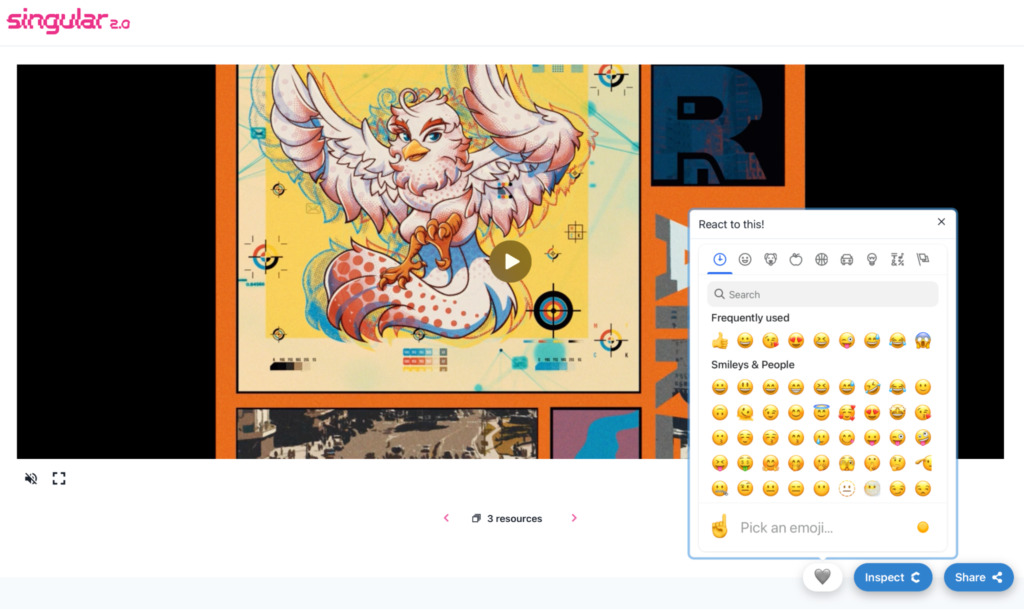
Singular also supports built-in reverse image search on the Internet: users can verify the originality of objects before purchase.
Spacers — a collection of 10,000 NFTs with robotic soldiers from the creators of the decentralized social platform Subsocial.
Users can equip tokens with various items: gloves, masks, weapons and other accessories. The number of equipment slots depends on the NFT’s rarity.


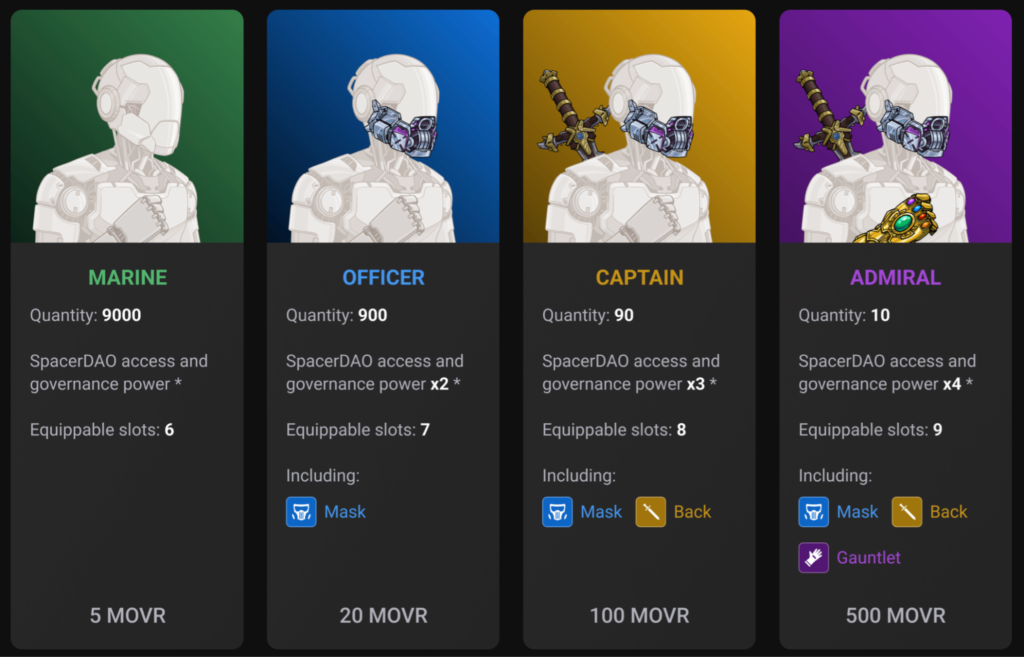
Owners of non-fungible tokens receive privileges in Subsocial-based projects, including free Energy to pay for transactions and the ability to register the .spacer domain.
NFT Spacer Pod boxes can be purchased on the collection’s official site until December 20. After the sale, the boxes will open: owners will receive tokens of the chosen rarity and random equipment items.
Skybreach — a metaverse with experimental gameplay from the RMRK team. Players will be represented as Kanaria bird avatars with the ability to equip items. Skybreach’s launch was planned for January 1, 2023.
The aim of the project is to demonstrate how NFTs can diversify gameplay. To this end, Skybreach applies the following RMRK standards:
- Multi-resource — besides the portrait for wallet display, the Kanaria token contains sprites for 2D games and 3D models for 3D projects;
- Equippable — players can customize in-game avatars: adding accessories and effects, changing effects and sounds of in-game actions;
- Non-transferable — avatars gain new abilities as embedded NFTs with no transfer to another address. Purchasing such a token will yield a fully developed character;
- Provable digital scarcity — Kanaria are full-fledged owner avatars, not skins for a 3D model at the user’s address. They cannot reside in a wallet, marketplace or Skybreach simultaneously.


Skybreach will feature the usual blockchain-metaverse mechanics: free NFT trading, land ownership and project governance via a DAO.
Future of RMRK standards
According to RMRK’s roadmap, the project will in the near term develop the economic aspects of non-fungible tokens.
The developers will implement the following mechanics:
- Public collections — any user will be able to add their token to an existing set;
- On-chain royalties and trading — artists will issue NFTs themselves, sell them and receive royalties without an intermediary in the form of a marketplace;
- Temporary lending — the owner will be able to lend out a token without using third-party smart contracts.
Also on the roadmap is expanding the Singular marketplace and improving existing legos. For example, creating the Multi-resource NFT Base specification so owners can equip tokens with several attached objects.
Conclusions
Standards evolve alongside advances in technology and rising user needs.
ERC-721 helped inaugurate a market for digital art, but the ways this standard has been applied have largely been limited to selling links to images.
RMRK enables expanding the capabilities of blockchain games, social networks, DeFi and other applications. The standards implement mechanics such as evolution and customization, previously available only on centralized backends.
Follow ForkLog’s Bitcoin news in our Telegram — cryptocurrency news, rates and analysis.