


Robonomics Deploys Web3 Air Quality Sensors on Thailand’s Hippie Island
The Robonomics team has installed and connected the first two air quality sensors to the Web3 cloud on the island of Phangan, Thailand. This was reported to ForkLog by the project’s architect, Sergey Lonshakov.
The First Altruists on the hippie Island of Phangan!
Together with the local community, we’re exploring how to build an environmental monitoring system on a small, remote island that’s world-famous for its Full Moon Parties. These events often leave behind large amounts of… pic.twitter.com/RLqL6I7bmc— Robonomics (@AIRA_Robonomics) June 25, 2025
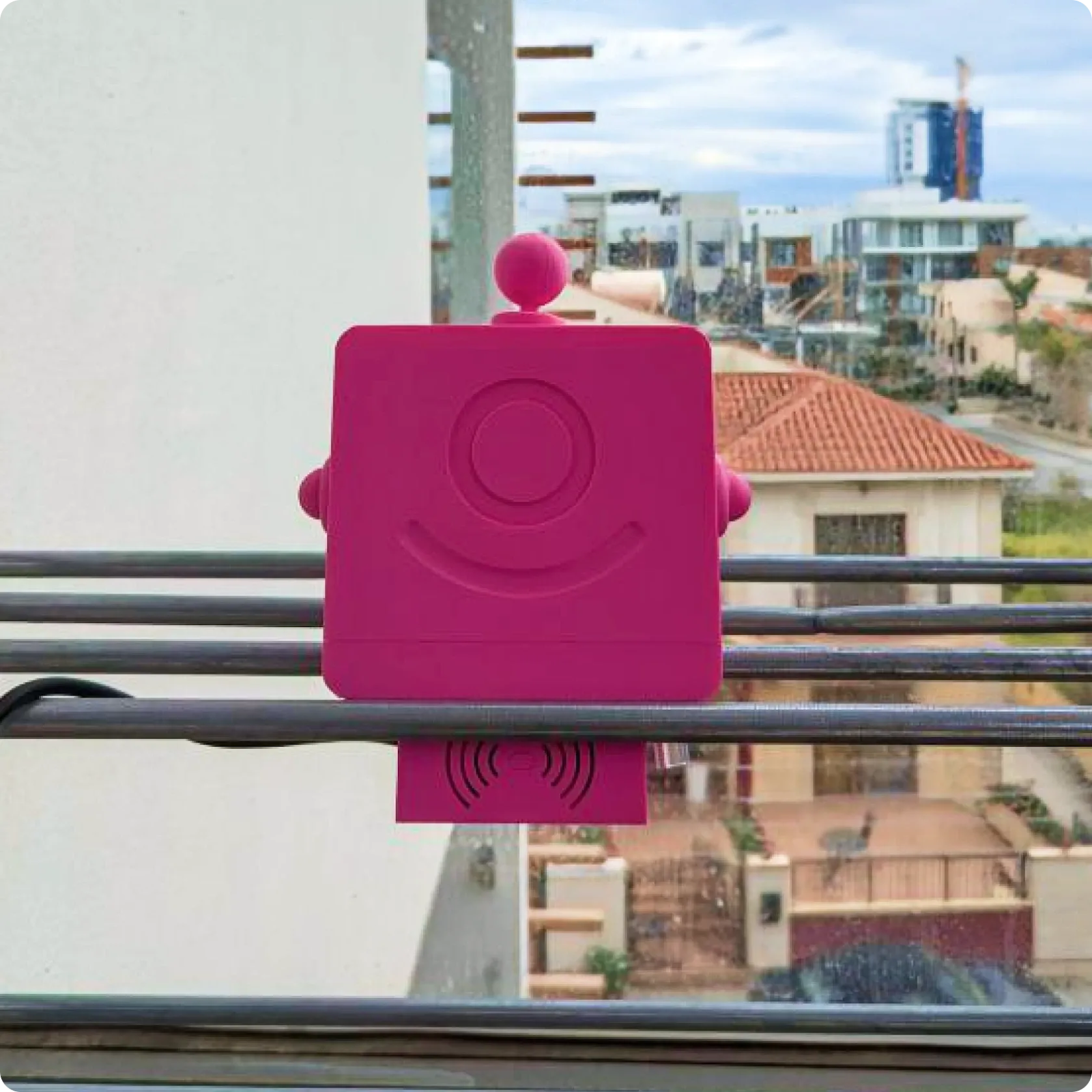
The “Altruist” devices will allow for the monitoring of noise, dust, humidity, pressure, and temperature, subsequently uploading the data to decentralized storage.
Phangan, also known as the hippie island, is famous for its monthly Full Moon Parties. According to Lonshakov, each event leaves behind piles of garbage, which are burned on-site in tanks, enveloping the island in a stench.
“I want to see a correlation between the lunar calendar, the first days after the Full Moon Party, and the increase in suspended particles in the air,” he shared.
In the future, the Robonomics team plans to deploy three more devices in different parts of the island. The information gathered will be sufficient to analyze how waste management is poisoning Phangan. This could potentially improve the quality of life in the region.
How the Sensor Works
The open sensor network operates similarly to how validators in Ethereum or Polkadot networks agree on new block information. Anyone can transmit data from the sensor to the sensor map by copying the code and launching their own relay nodes.
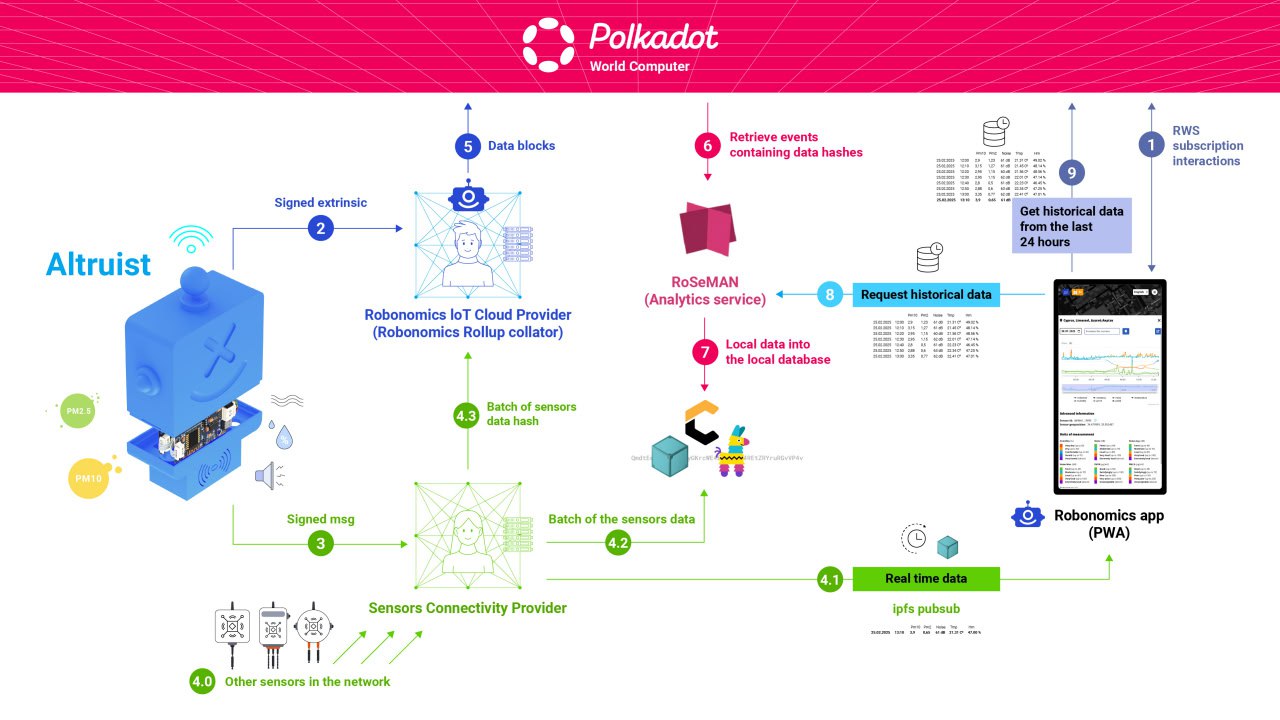
Robonomics focuses on individual use of devices and aims to create an open dataset on air quality, weather phenomena, and noise levels.
“I personally compared readings initially in Tolyatti, and now in Cyprus, showing that sensor readings differ across the continent—each place has its own microclimate in terms of humidity and temperature. Data from all devices is automatically sent to our sensors.social map with logging in the public Robonomics blockchain based on Polkadot. This data cannot be altered or deleted,” Lonshakov explained.
Sensor Cost and Data Legitimacy
DevKit version of the “Altruist” with an outdoor monitor currently costs $100 with delivery available worldwide. In total, about 90 such devices are currently operational.
This summer, the Robonomics team plans a crowdfunding campaign on IndieGoGo, where they will present a finished certified product with an indoor monitor for measuring indoor readings. Its price is expected to be between $200-300. In the fall, developers are preparing to launch on Amazon.
Installing the sensor does not require government approval, but the data it provides is not admissible in court.
“We provide a superficial screening. If a user detects a significant anomaly in the number of suspended particles, they will need to contact a specialized monitoring service that can profile the air. Our sensor helps identify the best times to do this,” Lonshakov noted.
For more on Robonomics’ ideas and products, see the “Podcast Society” episode with Sergey Lonshakov:
In April, American bitcoin miners were accused of air pollution with microparticles.
Earlier, ForkLog reported on Bangladesh’s technological ambitions amid severe environmental challenges.
Рассылки ForkLog: держите руку на пульсе биткоин-индустрии!