



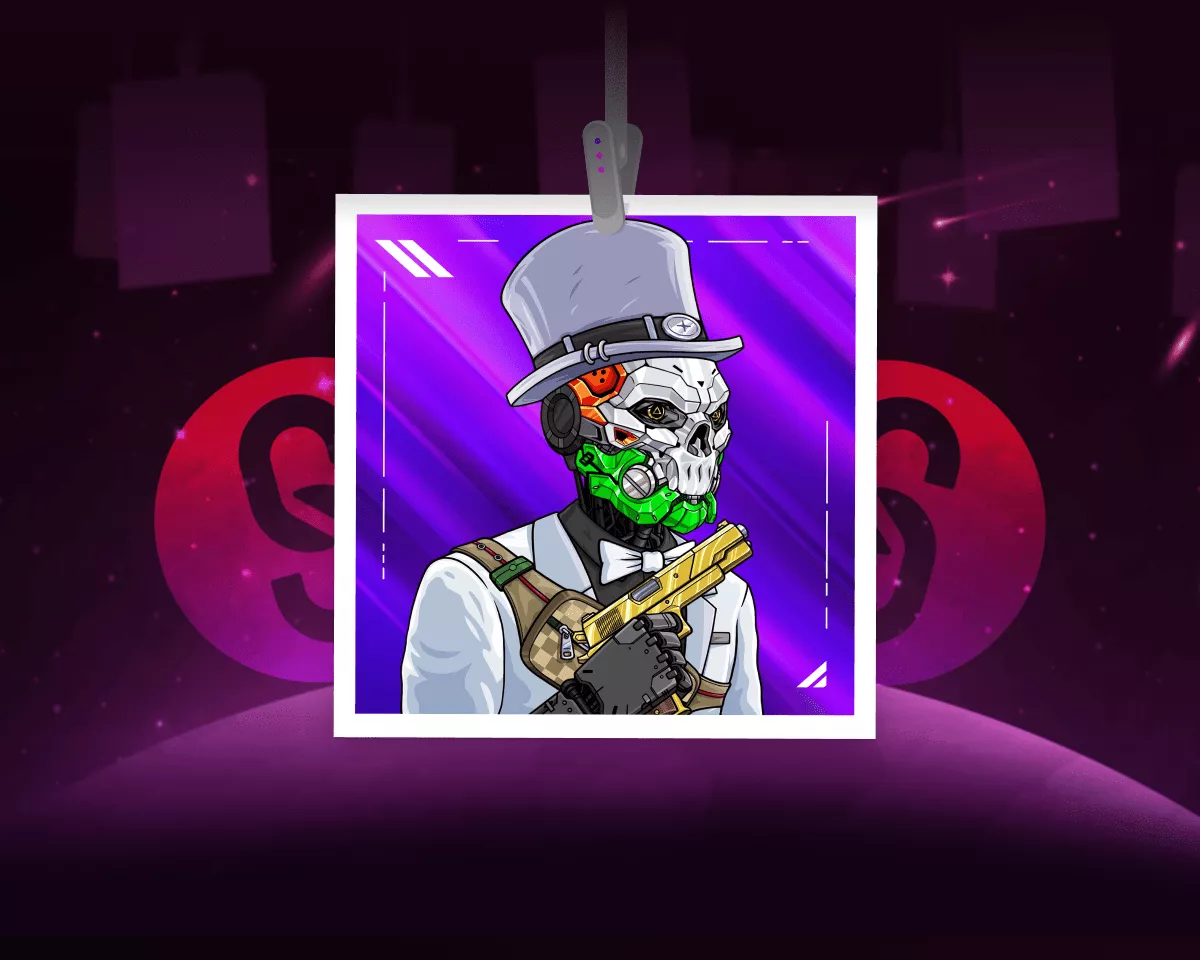
In early November, the Subsocial platform released the NFT collection Spacers of the RMRK 2.0 standard, which allows modifying non-fungible tokens by adding and removing attributes.
We look at the features of Subsocial, the project team, and the role of Spacers in the platform’s ecosystem.
What Subsocial is
Subsocial is a protocol and a parachain on the Kusama network, focused on creating social dapps and their integration into existing applications.
The platform runs on the Substrate framework and uses the IPFS protocol for decentralized file storage.
“We call Subsocial a protocol of ‘Social Finance (SoFi)’ for Polkadot. This means that users can create their own communities on the basis of Polkadot and IPFS with built-in content and community monetization features,” — comments by founder and CEO of the platform Alexander Siman.
Substrate enables Subsocial to connect to the Polkadot ecosystem, which provides secure data and transaction exchange, as well as compatibility with various parachains.
Content on Subsocial is hashed to create content identifiers (CID) — links to files on IPFS. Only the CID is written to the blockchain: apps can use them to load content.
At the core of the platform are several components: spaces, posts, comments, likes and subscriptions.
Spaces can be compared to subreddits or groups on Facebook, posts to tweets or articles on Medium. Comments, likes and subscriptions are familiar to anyone who uses social networks.
Users manage the platform on-chain: all spaces and posts are directly tied to their addresses. The protocol supports Polkadot.js, Talisman, SubWallet, Nova Wallet and other wallets.
The platform’s code is open: developers tailor the user interface and adapt it to the needs of communities with the help of Subsocial JS SDK. To launch the first app on the platform you can use the template Subsocial Starter.
Subsocial does not block content, however allows space owners to set their own moderation rules.
Project team
Subsocial was founded in 2019 by Alexander Siman — a blockchain developer and Polkadot ambassador in Ukraine. In the same year the platform received two grants from the Web3 Foundation and became a participant in Parity Technologies’ Substrate Builders program.
Among the project’s advisors are Parity Technologies’ core developer Sean Tabrizi and the founder Bruno Skvorc.
The platform launched in September 2020, and in December 2021 Subsocial won the 16th parachain auction on Kusama, raising more than 100,000 KSM and distributing 16.5 million SUB among participants.
Role of SUB in the platform’s ecosystem
SUB is the native token of Subsocial with a total supply of 100 million units. Holders of SUB have governance rights to participate in Subsocial and individual communities.
In addition, tokens can be used to pay for:
- transactions on Subsocial;
- advertising content within communities;
- Subsocial Usernames — universal domains for social apps in the Polkadot ecosystem;
- subscriptions, tips, purchases or rentals of spaces.
Subsocial allocated a portion of the supply to participants in private token sales and the Kusama parachain auction.
Users can sign up for the waitlist to receive a notification about the public sale of SUB.
Privileges for Spacers holders
Spacers — an NFT collection of the RMRK 2.0 standard from the Subsocial team, released on the Moonriver Kusama parachain. It includes 10,000 non-fungible tokens featuring robotic soldiers.
Owning a Spacers NFT is VIP membership in Subsocial. The platform offers token holders exclusive privileges:
- Free energy for paying transactions at a discount. It can also be obtained by burning SUB in the Energy Station. Energy is not a token; it cannot be transferred to other users or converted back to SUB.
-
Priority display of posts in PolkaVerse — a web app for creating niche communities, which can be joined with a Subsocial account or a crypto wallet (Polkadot, Kusama). At the time of publication in PolkaVerse more than 10,000 spaces have been created.
Posts by Spacers holders will appear on the app’s main page, and their NFTs will receive higher priority depending on rarity.
-
Access to premium features on Sub.ID — a service that aggregates parachain addresses on Substrate. For example, an address on Polkadot can be used to generate a linked address in Kusama, Subsocial, etc.
Holders of Spacers will be able to display the token on Sub.ID or hide their profile.
- Access to the closed Discord server SpacerDAO — the Spacer NFT holders community. Subsocial plans to decentralize SpacerDAO and implement an on-chain governance system.
As the project evolves, developers will add new utility features for NFT Spacers holders. Current information is on the collection site.
Sales of NFT boxes Spacer Pod will run until January 2, 2023. After this date they will become random Spacer with immutable traits and a set of equipment of varying rarity.
Conclusions
Subsocial is a SoFi protocol, on which Sub.ID and the PolkaVerse social network are already operating. The latter’s users have launched more than 10,000 spaces and published nearly 25,000 posts
The Spacers collection is an important part of Subsocial’s ecosystem: token holders gain exclusive advantages, including free transactions and access to the closed SpacerDAO community. The number of NFT-robot features will increase as the project develops.
Follow ForkLog’s Bitcoin news on our Telegram — cryptocurrency news, rates and analytics.