



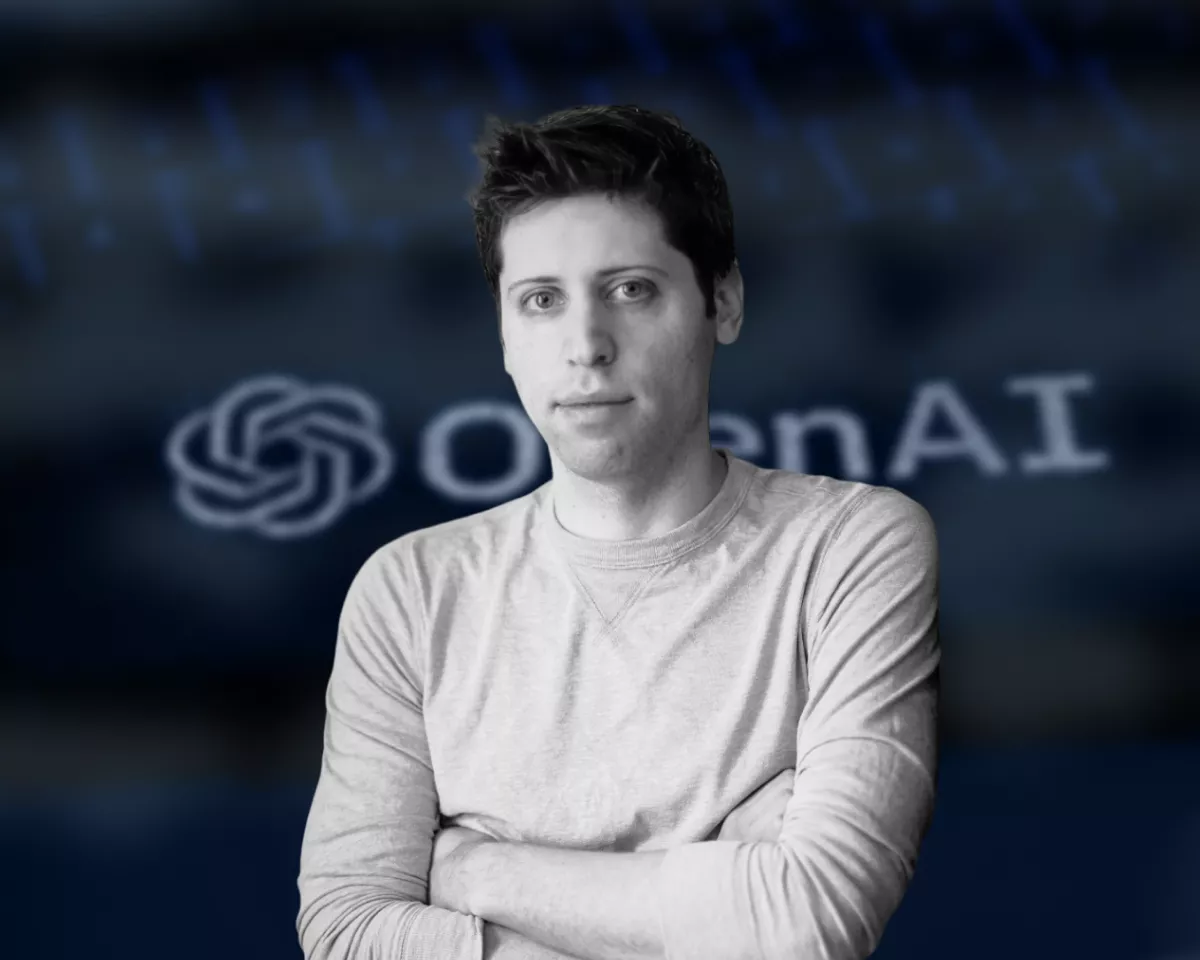
OpenAI is developing a new model—GPT-6. This was announced by the startup’s CEO, Sam Altman, in a conversation with journalists.
The entrepreneur did not specify a release date but hinted that the neural network “will be different” and will appear faster than GPT-5 did after GPT-4. The model will not only respond to users but will also adapt to them, allowing for the creation of chatbots tailored to individual preferences.
Altman considers memory a key element in transforming ChatGPT into a personal tool. It is important for the assistant to understand who is using it, what the person’s preferences, habits, and characteristics are. This will enable the system to adapt to each user.
OpenAI is working closely with psychologists to create the product.
However, the presence of memory raises privacy issues, the entrepreneur noted. These are exacerbated by the fact that the temporary information storage is not encrypted, which could lead to the disclosure of personal data. Altman suggested that encryption might be applied in the future, but did not specify a timeline.
In July, he stated that personal conversations with ChatGPT are not legally protected. If necessary, a court can request all the information users have shared with the chatbot.
Future versions of ChatGPT will comply with the recent executive order from the administration of U.S. President Donald Trump. The document mandates the creation of ideologically neutral AI systems with the possibility of personal customization.
“I think our product should have a fairly moderate, neutral position, and then you can adjust it as you like. If you want it to be ‘super-progressive’—it should be that way,” said the entrepreneur.
Altman shared his plans following the challenging launch of GPT-5. Users complained that the model had become colder, less responsive, and less helpful.
Subsequently, OpenAI updated the communication style of the new neural network to make it “warmer.”
We’re making GPT-5 warmer and friendlier based on feedback that it felt too formal before. Changes are subtle, but ChatGPT should feel more approachable now.
You’ll notice small, genuine touches like “Good question” or “Great start,” not flattery. Internal tests show no rise in…
— OpenAI (@OpenAI) August 15, 2025
The CEO of OpenAI described neural interfaces as a “cool idea” and noted that in the future, users will be able to simply think of a query and immediately receive a response from ChatGPT thanks to this technology.
Earlier, it was revealed that OpenAI will participate in a funding round for Merge Labs—a competitor to Elon Musk’s Neuralink.
“There are several AI-adjacent areas where we should do something. And this is one of them,” said Altman.
He is also interested in energy, new materials, robots, and rapid methods of building data centers. However, OpenAI’s main product remains ChatGPT. The company’s CEO is focused on making the chatbot more flexible and useful in everyday life.
Back in August, Altman stated that the artificial intelligence market is in a bubble.