



Shiba Inu Hoodie and Binance’s Japanese Comeback: What Was Discussed at WebX in Tokyo
On July 25–26 in Tokyo, the organized CoinPost conference WebX — the largest discussion platform in Asia for representatives Web3-industry — took place. Its aim is to position Japan as a key hub for the development of decentralised technologies. Special for ForkLog, Web3-journalist Тамара Сойкина prepared a report from the event.
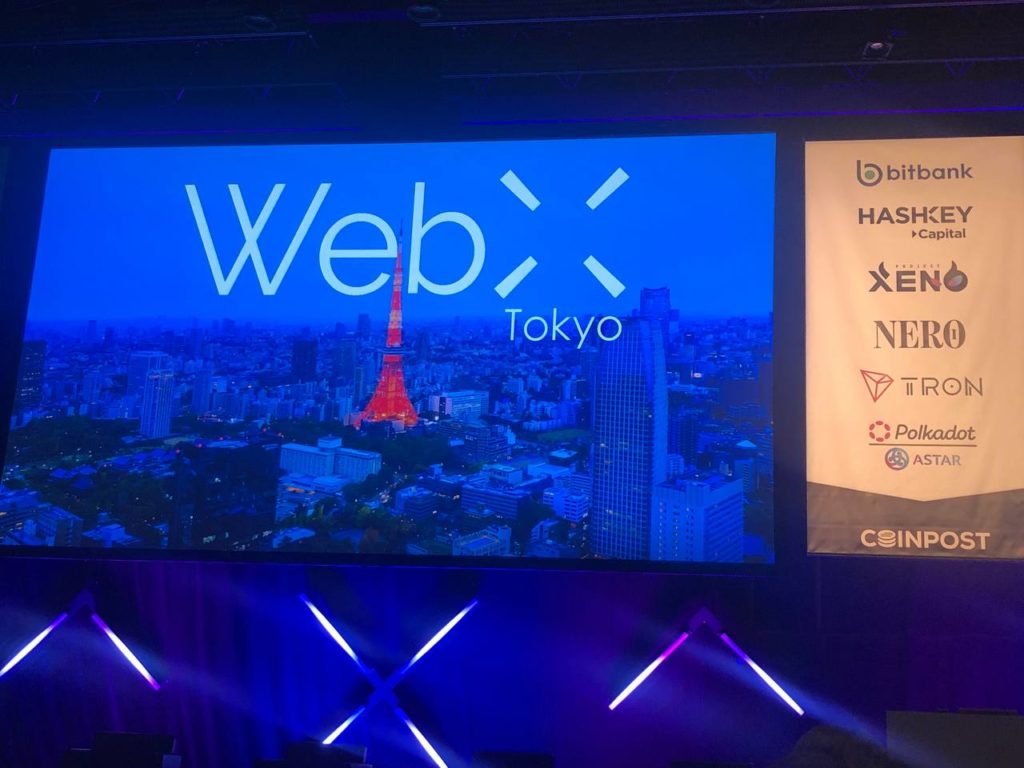
Государственные спикеры на главной сцене
The conference opened with a video address from Prime Minister Fumio Kishida. Under his leadership, the government is aiming to use blockchain as a driver for solving social challenges.
«This conference is becoming a forum where key players from Japan and other countries discuss the future of the industry and accelerate cooperation between Japanese and foreign companies. We hope that [in Web3] there will continue to emerge many innovations for a new society», said the prime minister.
Tokyo Governor Yuriko Koike also participated online. The official spoke in support of positioning the city as a global crypto hub and centre of innovation. Koike highlighted efforts to move finance to a digital format using decentralised technologies and to foster startups.
The head of the metropolitan administration mentioned initiatives such as Tokyo Innovation Base and the upcoming Sushi Tech Tokyo 2024, aimed at strengthening the city’s startup scene. For its implementation, a fund of 28.6 billion yen (~$196.4 million at the time of publication) has already been established. Koike noted the transformative potential of Web3 technologies in the global social economy.
Leaders of business initiatives took the stage. For example, there was a panel with Daniel Alegre, CEO of Yuga Labs (the company behind the popular NFT collection BAYC) and BAYC, and Wako Itagaki — a representative of the Ministry of Economy, Trade and Industry.
The entrepreneur praised Japanese creativity in innovative concepts, but noted that local companies face difficulties in translating their successes to the international arena. In his words, BAYC quickly gained worldwide popularity. Alegre explained this by noting that the collection’s local fame in the United States was analogous to its global reach.

On Itagaki’s question about those who view non-fungible tokens and Web3 as a pyramid scheme, Yuga Labs’ chief noted that such opinions are most often voiced by people who have never bought an NFT. He added that Web3 technologies hold enormous potential for societal development and addressing social challenges.
Meanwhile Alegre asked Itagaki how the government could effectively harness this potential. The Ministry of Economy official said that the department is actively working on this, but acknowledged that the older generation’s reaction to such innovations is mixed.
Showcase of projects: NFTs meet the real world
Across both days the expo drew crowds — according to organisers, more than 16,000 attendees in total.
Visitors tried an NFT capsule vending machine, posed for selfies in a photo booth and posted the pictures to the Astar blockchain, chatted with the Desdemona robot from SingularityNET, and tested new products.
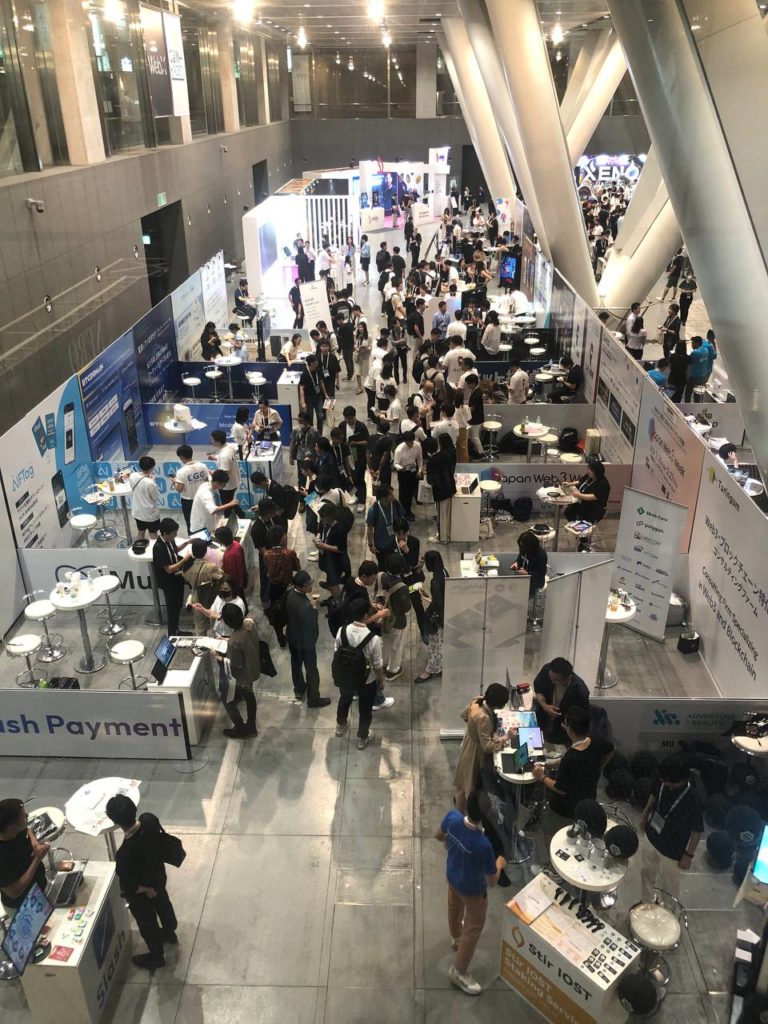
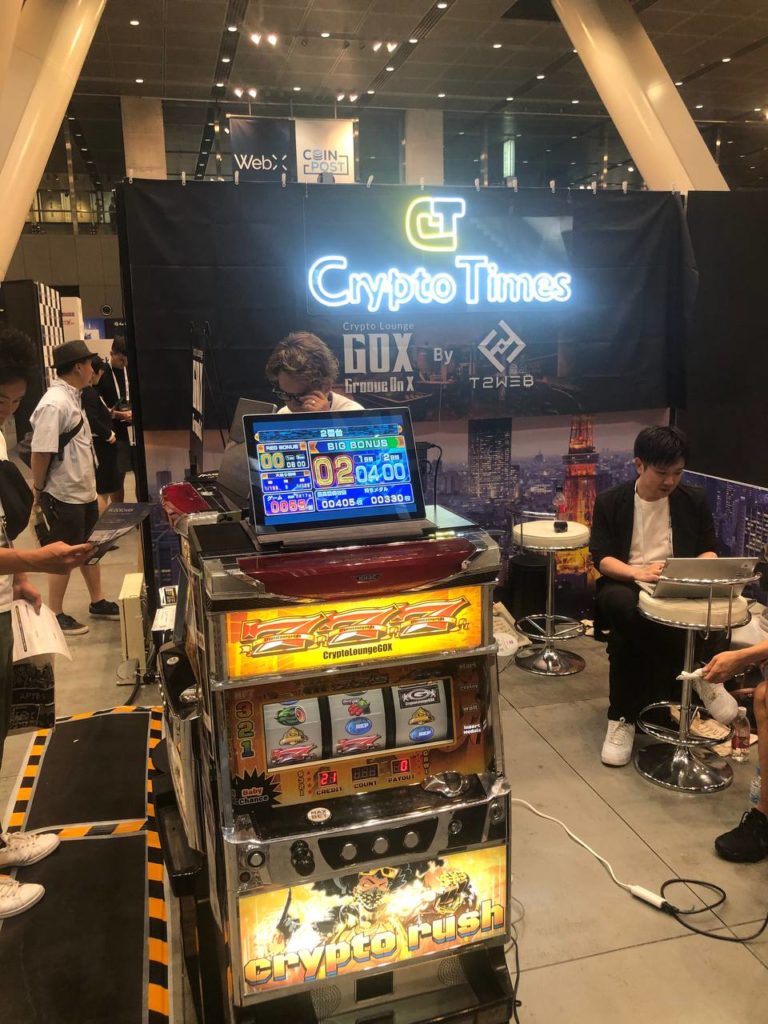
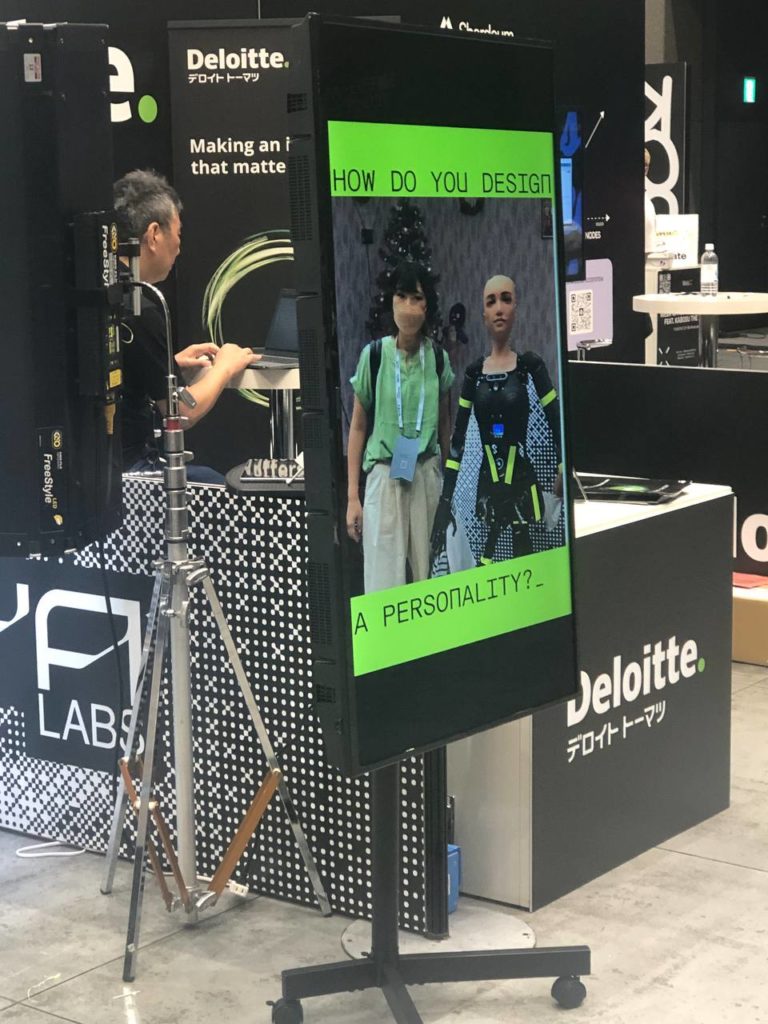
WebX 2023 became a place where the digital meets the real. The synergy between the two realms hints at trends that will shape the industry very soon. Only where real people meet in person and decentralised finance goes hand in hand with traditional finance do value systems emerge that can be genuinely scaled.
At WebX in online format, the Shiba Inu Cabosu, a DOGE prototype, was present. In 2010 she captured the American internet when her owner Atsuko Sato posted a viral image on her blog. Among her fans is Elon Musk, who in 2023 temporarily replaced the Twitter logo with a photo of a dog of the Shiba Inu breed.
Atsuko Sato and her pet spoke via video link, describing their meeting, creating an original NFT, and how they ended up at the centre of attention of people from many countries.

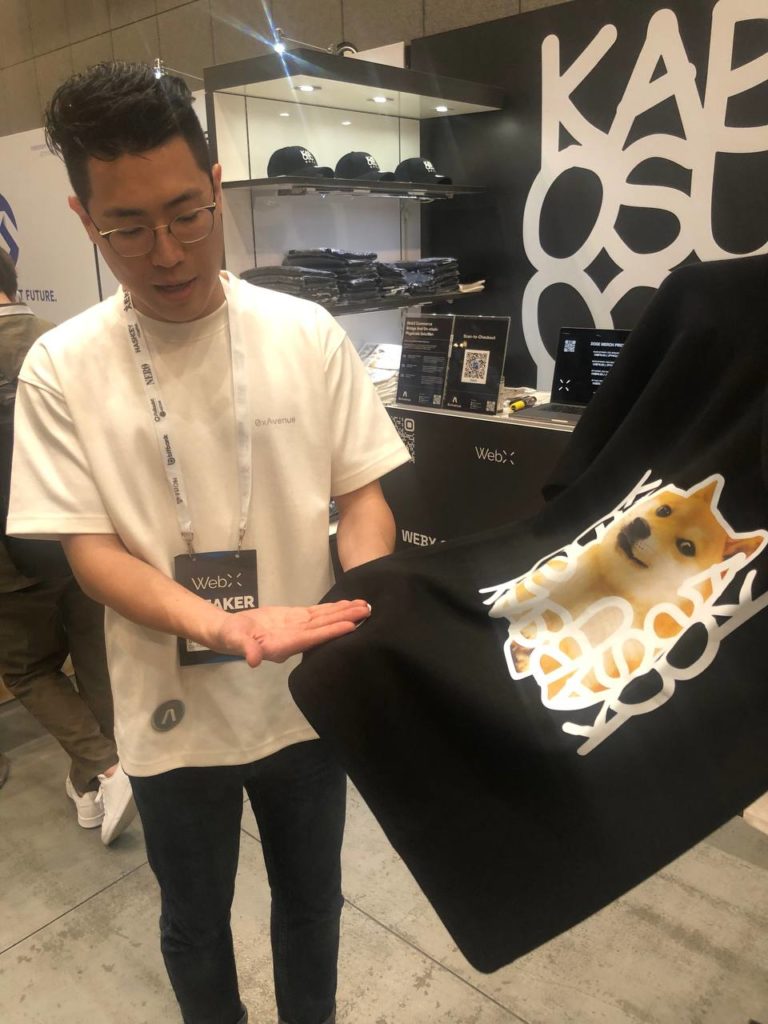
Special for the conference, the Web3-focused merch company 0xAvenue prepared a line of T-shirts, hoodies and accessories featuring Cabosu. The project team said that in collaboration with the dog’s owner they wanted to push beyond the meme-coin association and create a unique, memorable design. The merchandise uses special chips linked to a web page with product information.
Web3 in Japan: Pandora’s Box or Treasure Chest?
Another panel was titled “Problems and challenges of Web3 in Japan — Where did Japan lose touch with Web3.”
It featured JPYC founder Noritaka Okabe, Slash Fintech CEO Shinsuke Sato, and BuzzBridge co-founder, known as web3 honey.
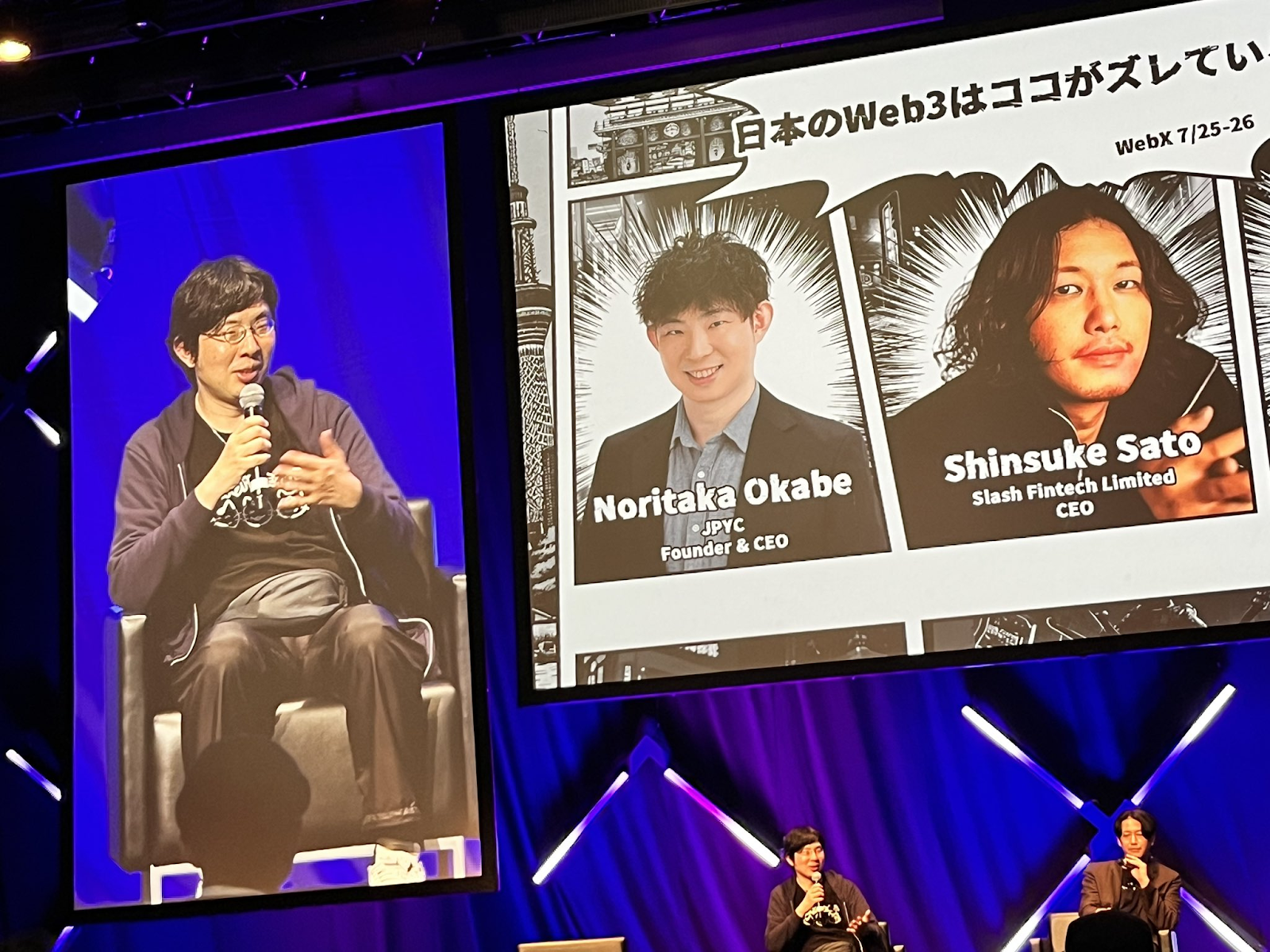
Okabe noted that Web3 terms are abstract and that decentralisation and trust remain difficult to achieve in Japan. He also highlighted terminological confusion that arises when dealing with government and foreign firms. For example, under the term “stablecoin” Japanese entrepreneurs mean something different than their overseas partners. This is one reason for the high barriers facing startups.
In conclusion, Sato urged entrepreneurial risk since, in his view, existing problems should be converted into business opportunities. Okabe, by contrast, stressed the importance of well‑organised work and precise wording when engaging with public authorities.
The Japanese market and its place in Web3
Co-founder KlimaDao Giorgio Dona‑Danoni described his expectations:
«The Japanese Web3 market is a dynamic and evolving space, continually demonstrating strong potential for growth and innovation. It is characterised by leading technical infrastructure and a large community of devoted developers and entrepreneurs. This market aligns well with Klima DAO’s mission, and our participation there is not merely cyclical. It is an opportunity to access valuable resources, seasoned experts, and to pursue new, exciting ideas we observed at WebX.»
Another guest, Jackie Hong Kei Li from Nym, reminded that Japan is the cradle of many leading Web3 security companies. He also highlighted the participation of numerous projects in the field of ZK-infrastructure. Acknowledging that privacy and security are closely connected, he expressed hope for cooperation with like-minded partners in Japan and elsewhere to ensure Web3’s security and reliability.
In June 2023, Japan enacted a law legalising stablecoins. Earlier, a guideline on token issuance to help issuers stay within Japan’s regulatory framework was published. Binance CEO Changpeng Zhao, in his WebX remarks, pledged that by the end of summer the company will return to the local digital asset market.
Japan is moving from a heavily regulated market to a country with an appropriate legal framework, an active community and a measured approach to Web3. Proximity to the equally positive Hong Kong raises hopes for cross-border collaborations and for Asia to reclaim its place on the map as a leading region in the crypto world.
Рассылки ForkLog: держите руку на пульсе биткоин-индустрии!