



Stacks Developers Initiate Nakamoto Upgrade to Decouple from Bitcoin
The team behind the Bitcoin Layer 2 solution known as Stacks has announced the initiation of the Nakamoto upgrade process, which “decouples” the block production schedule from the first cryptocurrency’s network.
Nakamoto Activation Window Begins ?
Today marks the beginning of a sequence to safely bring the Nakamoto upgrade and its fast blocks and Bitcoin finality to the Stacks layer!
Celebrate with 21 days of events, big news, collaborations, giveaways, and more. ?
More ? 1/4 pic.twitter.com/tTwJ9Glxv5
— stacks.btc (@Stacks) August 28, 2024
The activation is expected to increase transaction speed and lay the groundwork for smart contracts that use the digital gold network as a base layer. Settlement times will be reduced from 10-30 minutes or more to approximately 5 seconds.
Node operators have two weeks to upgrade before the hard fork, which will mark the completion of the update.
Nakamoto introduces a new method of block production using the Proof-of-Transfer consensus algorithm. Users burn Bitcoin to form Stacks blocks and receive rewards.
The process began in April with the introduction of “signers” to confirm transaction “epochs.” These epochs are time periods during which miners are appointed to create several blocks, which are ultimately settled on the first cryptocurrency’s network.
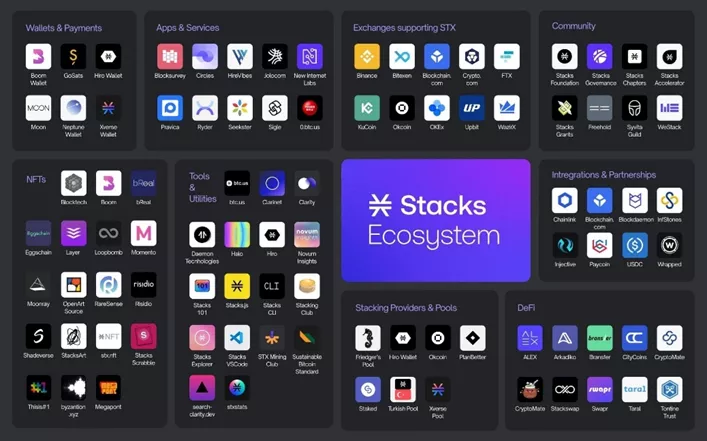
Stacks aims to implement smart contracts and other finance-related decentralized features. To this end, the team will launch sBTC in four weeks, backed 1:1 by BTC, allowing users to integrate Bitcoin into the project’s economy.
Currently, projects within the ecosystem “do not provide an optimal user experience” due to the limitations inherent in the first cryptocurrency’s blockchain. This has prevented developers from creating complex DeFi products, according to the blog.
Back in August, developers launched the Mezo liquid staking token for digital gold, named stBTC, in the Bitcoin L2 network.
Рассылки ForkLog: держите руку на пульсе биткоин-индустрии!