Which bitcoin wallet should you choose?
How does a “full” bitcoin wallet differ from a “light” one? Why are mobile wallets for the first cryptocurrency so popular? When should you use a custodial bitcoin wallet? Explained in cards.
Which bitcoin wallet should you choose?
How does a “full” bitcoin wallet differ from a “light” one? Why are mobile wallets for the first cryptocurrency so popular? When should you use a custodial bitcoin wallet? Explained in cards.
Sidechains: what they are and how they work
What are sidechains? What are their advantages and drawbacks? Which sidechains are active today? Answers in cards.
What is the Ethereum Virtual Machine (EVM)?
What is the Ethereum Virtual Machine (EVM) for? What are its strengths and weaknesses? Why are some blockchain projects EVM‑compatible? Explained in cards.
What is the proof-of-work (PoW) algorithm?
How does the proof-of-work consensus algorithm work? Why is it crucial for blockchains? Which problems did PoW solve? Answers in cards.
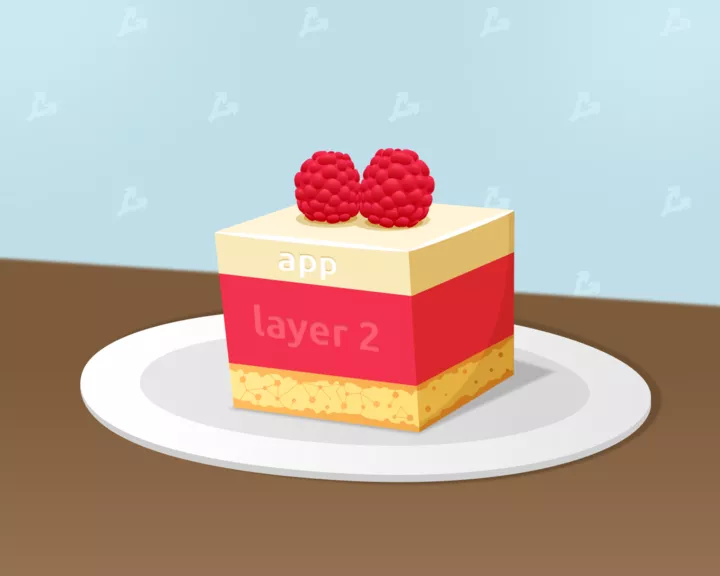
What is a layer‑2 solution in blockchain?
What are layer‑2 (L2) solutions? How do they help scale Ethereum and Bitcoin? How do you move assets between layer 1 and layer 2, and back? Explained in cards.
What is a Bitcoin Improvement Proposal (BIP)?
What is a Bitcoin Improvement Proposal (BIP), why it matters, which formats exist, and how to draft one—explained in cards.
What are ERC-20 tokens?
ERC-20 is Ethereum’s popular token standard for smart contracts that issue fungible tokens. Its adoption greatly simplified the creation of new cryptocurrencies and marked a turning point. Many leading cryptoassets use ERC-20. Details inside.
What is a Merkle tree?
Who invented the Merkle tree, and when? What is this algorithm and what is it for? Explained in ForkLog’s educational cards.
What is a blockchain oracle?
What are blockchain oracles for? What types exist? Which crypto projects beyond Chainlink develop the technology? Explained in cards.
What is a hard fork?
Why are hard forks needed? Why do they require community consensus? What happens if consensus cannot be reached? Explained in new cards.We use cookies to improve the quality of our service.
By using this website, you agree to the Privacy policy.