Fed Flags Risks of Stablecoins to Financial Stability
Stablecoins add 'new vulnerabilities' to the cryptocurrency market and financial stability more broadly. This is the conclusion of a study by the New York Fed.
Fed Flags Risks of Stablecoins to Financial Stability
Stablecoins add 'new vulnerabilities' to the cryptocurrency market and financial stability more broadly. This is the conclusion of a study by the New York Fed.
Scientists call Bitcoin ‘digital oil’ because of its climate impact
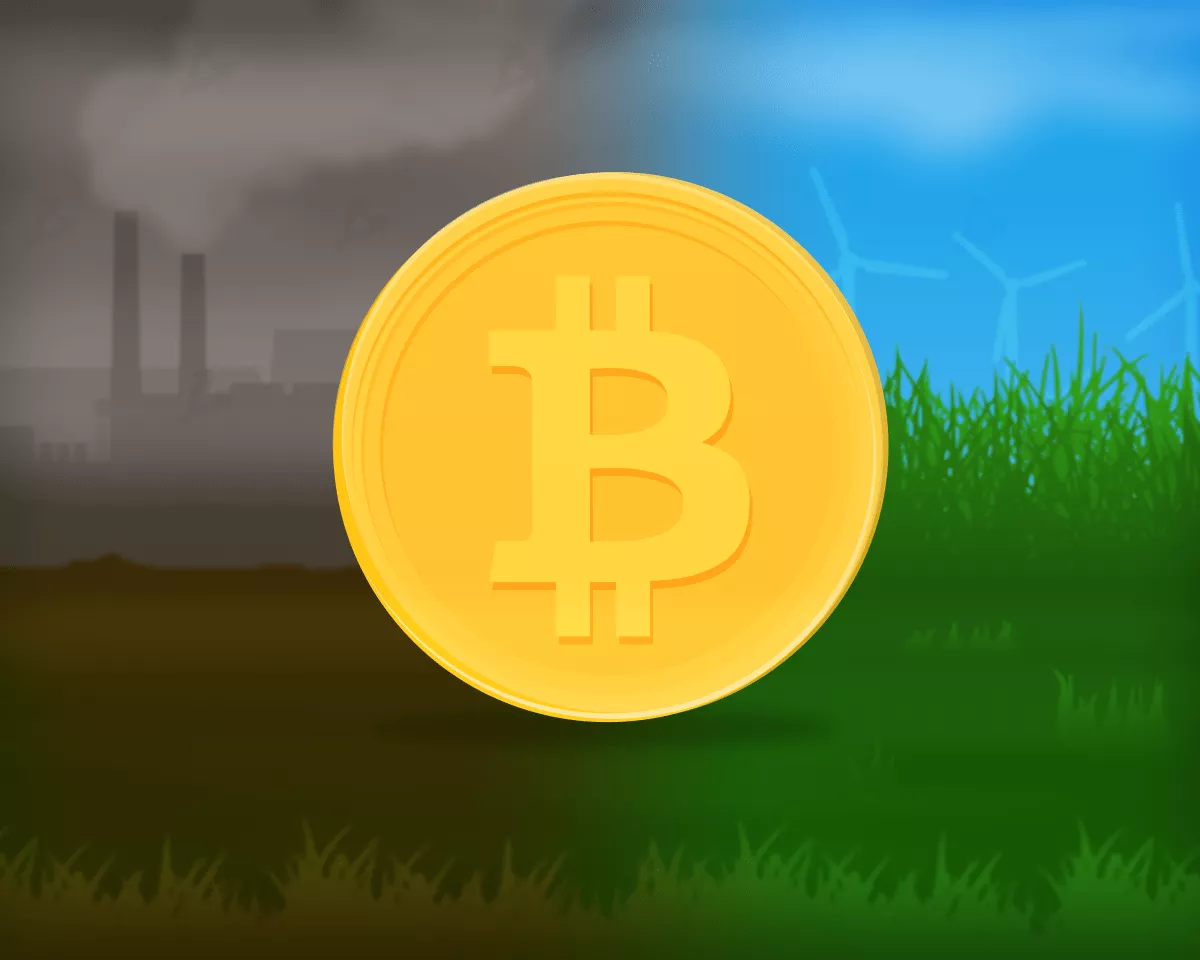
In terms of climate damage, Bitcoin acts more like 'digital oil' than 'digital gold', according to researchers at the University of New Mexico.
Scientists develop a laser AI turret to kill cockroaches
A team of researchers tested a laser device for detecting and neutralising insects, automated with computer-vision technology
Study finds publicly listed mining companies posted losses amid crypto winter
The vast majority of publicly listed mining companies reported unallocated losses on their balance sheets, despite a buoyant 2021. Arcane Research analysts found this.
Study finds Bitcoin mining accounts for 0.1% of global CO2 emissions.
Since the inception of the Bitcoin network and up to 21 September 2022, Bitcoin miners produced 199.65 million tonnes of CO2e.
Scientists have learned to recognise audio deepfakes
Researchers at the University of Florida have developed a method for detecting audio deepfakes, measuring differences between samples of organic and synthetic speech.
YouTube’s recommendation algorithms accused of being useless.
Mozilla researchers found that user interactions with YouTube videos have little effect on the behavior of the recommendation algorithms.
Researchers report rising user trust in AI moderators.
Social media users trust AI moderation of malicious and hateful content as much as they trust people. This is stated in a study by Pennsylvania State University.
AI learns to diagnose diseases from chest X-rays
The CheXzero algorithm studied thousands of chest X-ray images and the accompanying clinical reports to diagnose diseases from the scans at a clinician's level.
Scientists warn that superintelligent AI threatens humanity
A superintelligent AI could malfunction and wipe out humanity. This warning came from scientists at the University of Oxford and the DeepMind laboratory in a new scientific paper.We use cookies to improve the quality of our service.
By using this website, you agree to the Privacy policy.