



Bitcoin held near $78,000; Kevin Warsh took the helm at the Fed; hackers drained $10m from THORChain; and other events of the week.
Elevated inflation
Bitcoin clung to key levels despite a bruising macro backdrop.
Monday began on a positive note, with a rise to $82,000. The rally did not last. On Tuesday the coin retested the local high and then corrected.
By Wednesday, May 13, the leading cryptocurrency had dropped to $78,000. The main catalyst was US inflation data. The consumer price index (CPI) rose 3.8% year on year; the monthly print in April added 0.6%.
Against this backdrop, CryptoQuant contributor Amr Taha reported a near $1.25bn drop in open interest on major crypto exchanges.


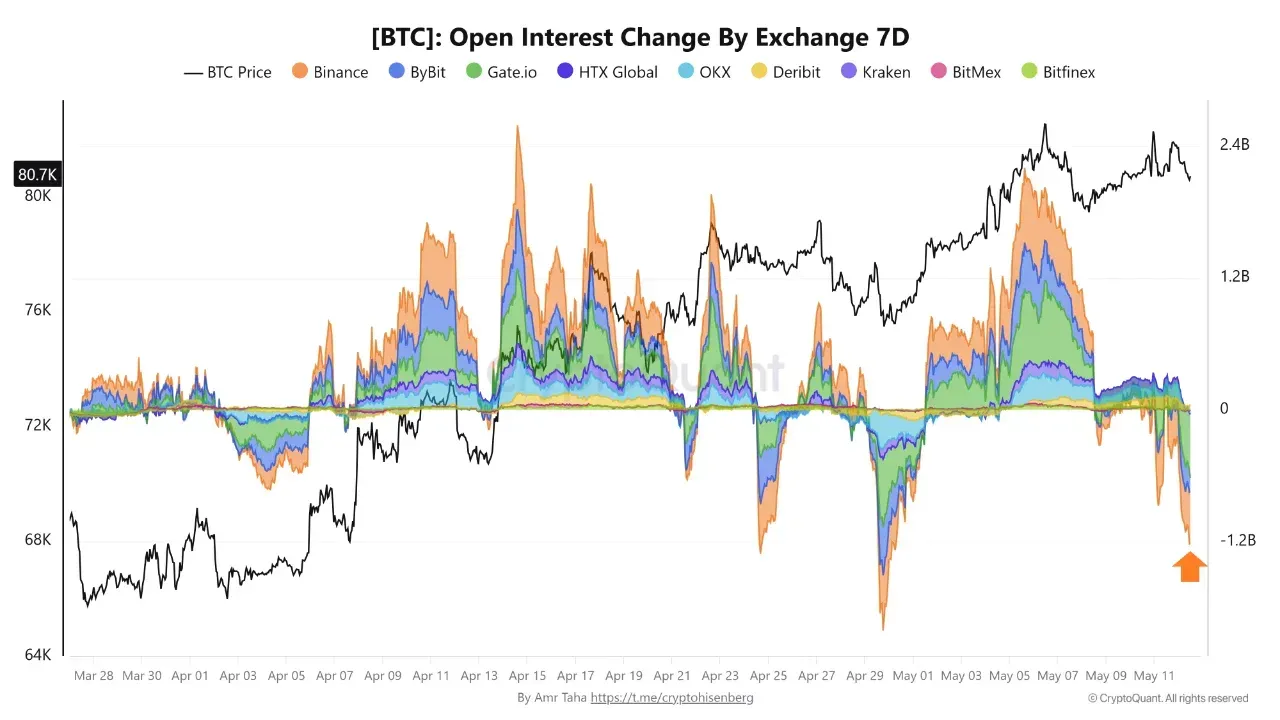
The analyst argued that the higher CPI forced investors to close positions, avoid new ones and cut leverage.
The US also released the core producer price index (Core PPI). The annual figure, like CPI, came in above forecasts — 5.2% versus the 4.3% expected.
Overall, a confluence of factors — from exchange inflows to macro releases — weighed on bitcoin’s price.
Analysts also noted a rise in average unrealised profits among bitcoin traders, up to 17%, last seen in March 2022.
On Thursday the cryptocurrency made another attempt to break above $82,000, without success. By week’s end it consolidated around $78,000, a perceived support zone.

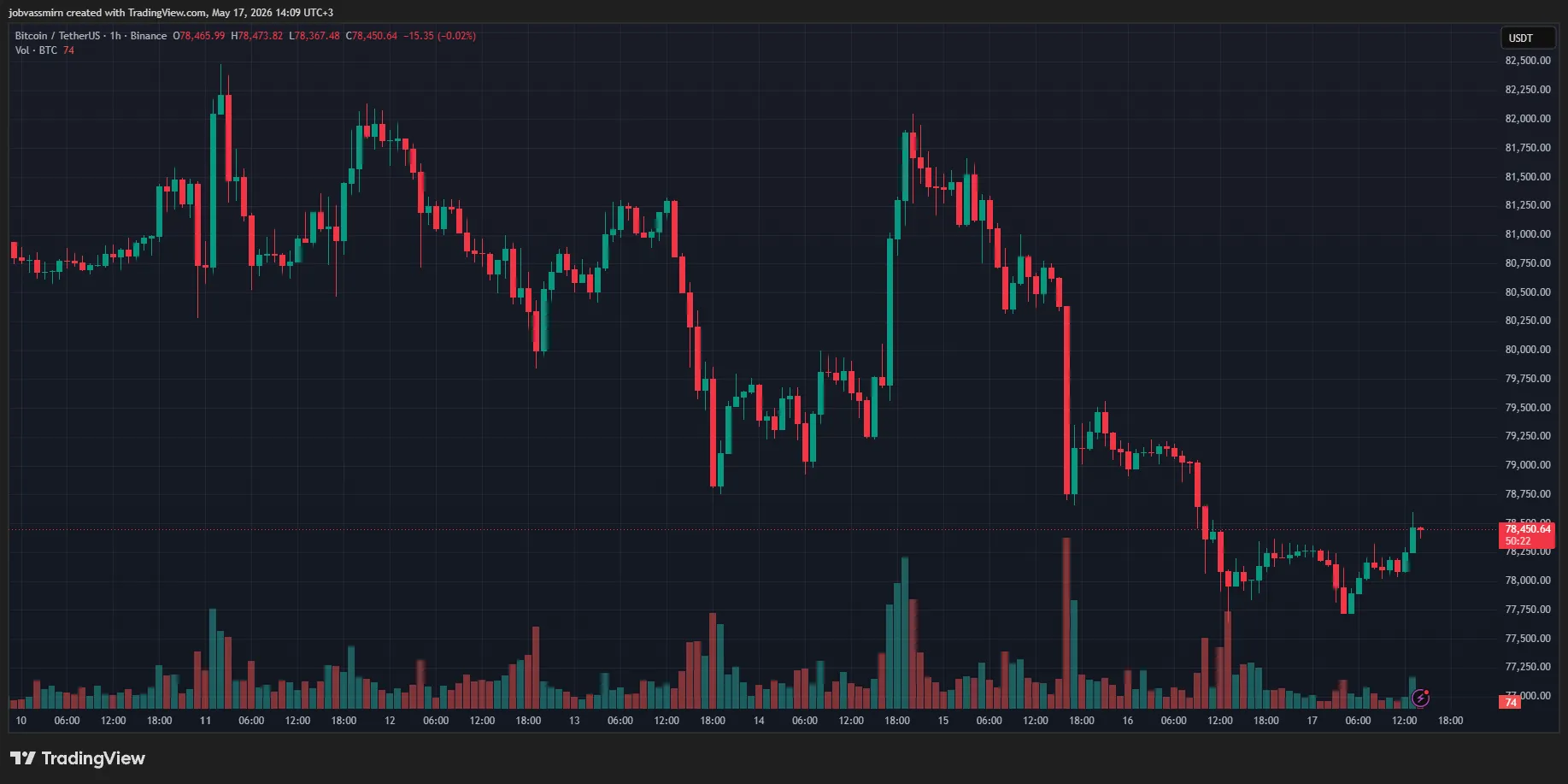
Over the past seven days bitcoin lost roughly 3%. Ethereum fell 6% and trades below $2200.

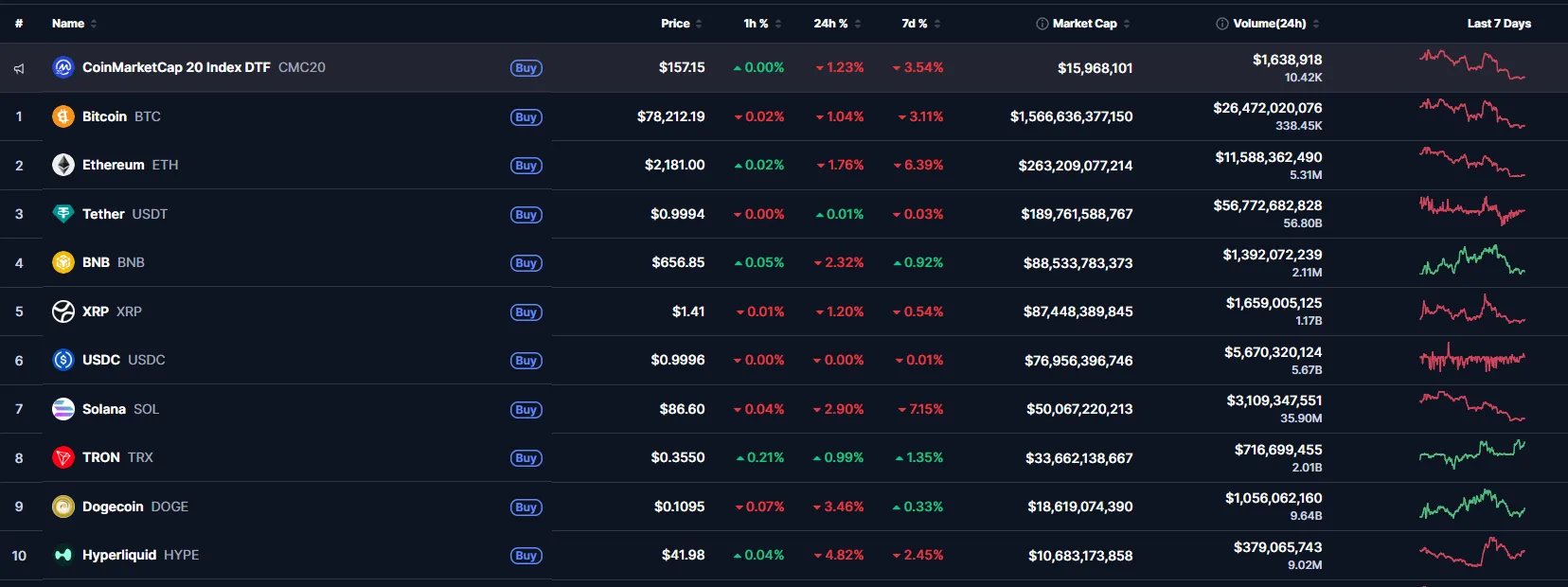
Almost all top-10 altcoins by market value ended in the red. Only DOGE (+0.5%) and TRX (+1.3%) eked out gains.
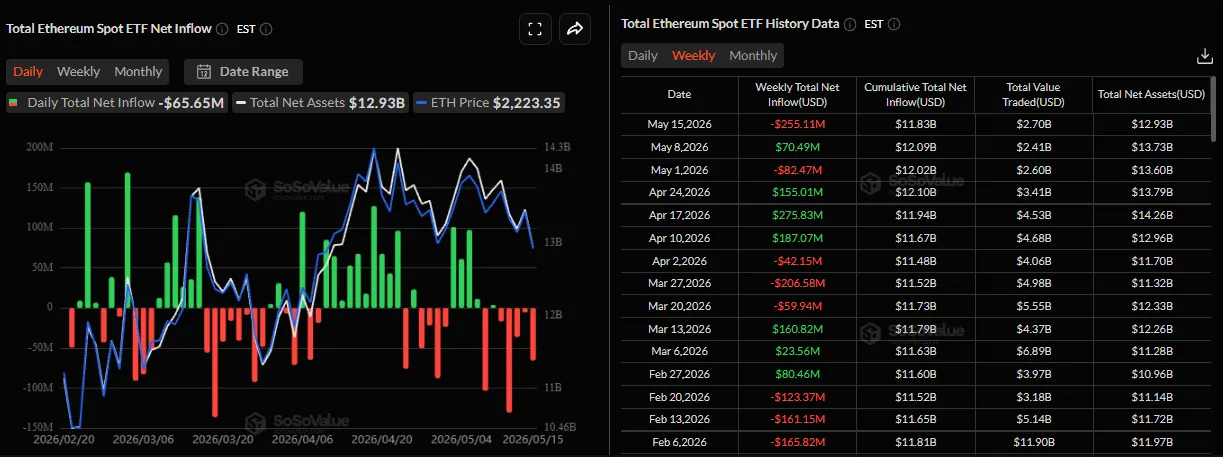
Spot bitcoin ETFs snapped a six-week run of inflows, posting $1bn of outflows.

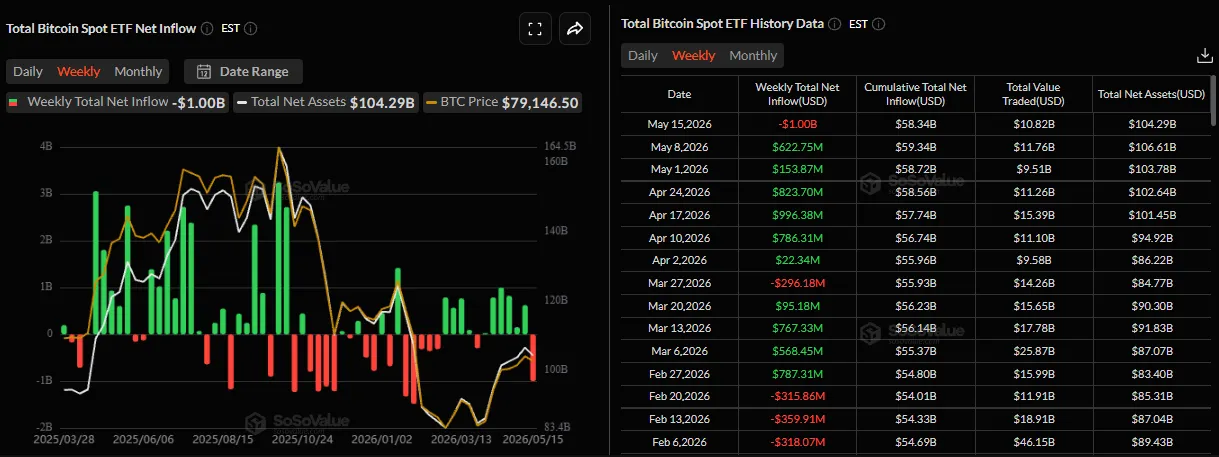
Ethereum-based funds saw $255m in outflows.

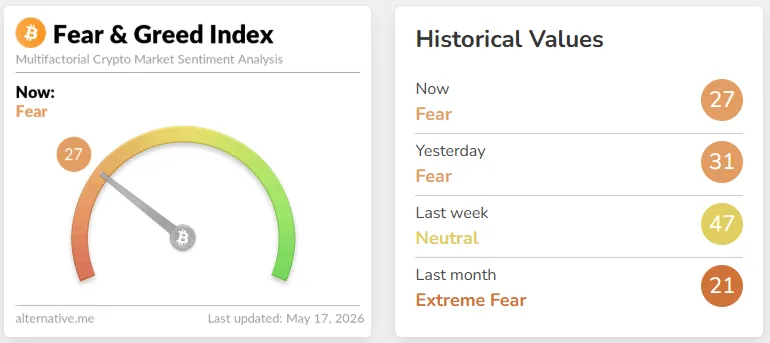
The crypto fear and greed index slipped to 27, from 47 a week earlier.

Total market capitalisation sits around $2.69 trillion. Bitcoin’s dominance is 58.3%, Ethereum’s 9.8%.
A new Fed chair
On May 15, bitcoin supporter Kevin Warsh replaced Jerome Powell as chair of the US Federal Reserve. The Senate confirmed the new head of the central bank.

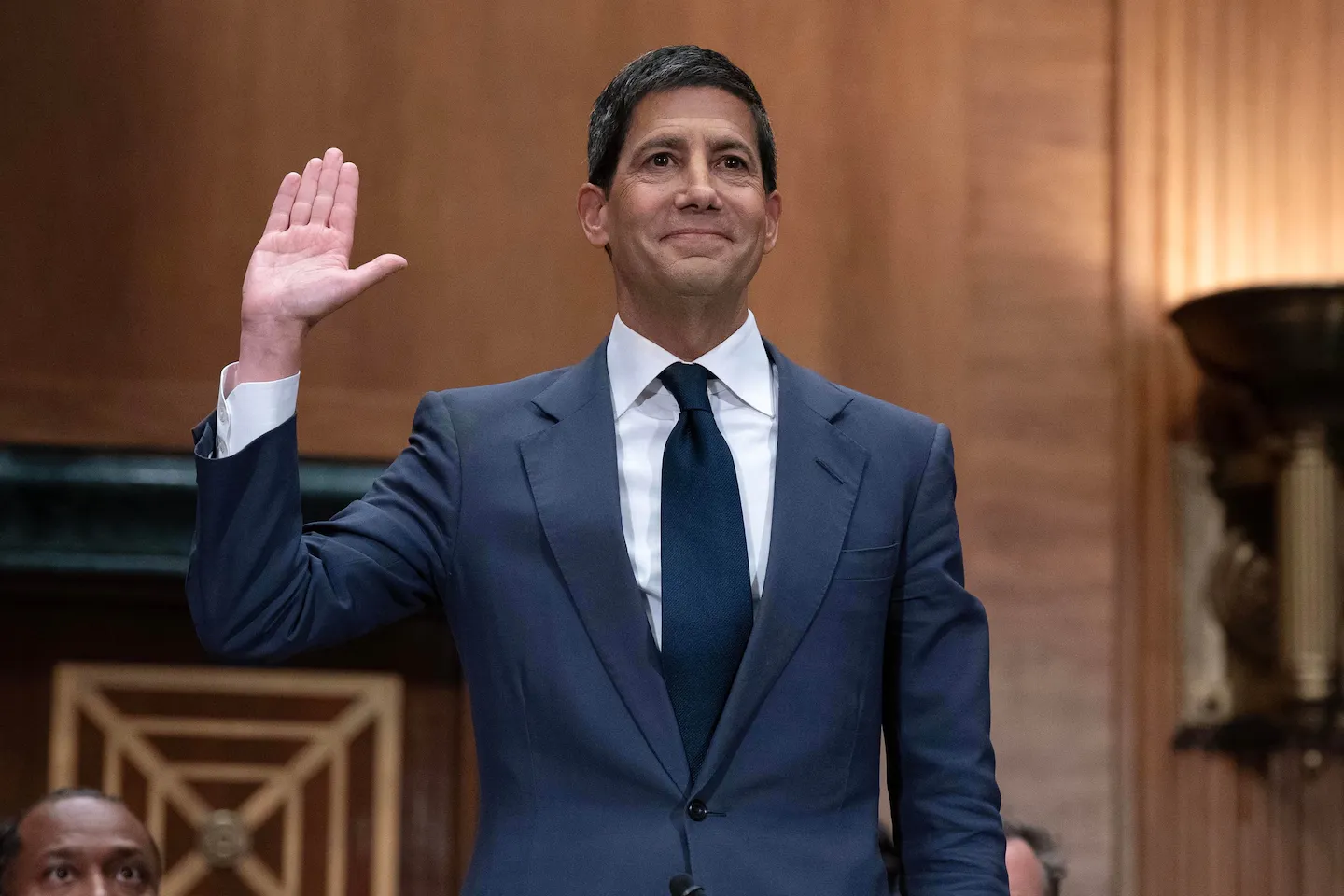
The vote was far from unanimous: 54 senators in favour, 45 against.
Warsh will serve a four-year term as chair. The Senate also appointed him to the Fed’s Board of Governors for 14 years.
He previously sat on the board from 2006 to 2011, and held senior roles at Morgan Stanley.
The new chair is known for a crypto-friendly stance. He has called bitcoin “an important asset” that helps authorities assess the state of the economy. Filings show Warsh has invested in dYdX, Lighter, Polychain Capital and Dapper Labs. He also holds Solana and Optimism tokens.
His main remit will be interest-rate policy. As Donald Trump’s nominee, Warsh is expected to take a softer line on monetary policy. Trump and the former Fed chair had repeatedly clashed over the issue.
What to discuss with friends?
- Kelp and Aave began restoring assets after a hack.
- Michael Saylor revealed Strategy’s plan for bitcoin reserves.
- Circle raised $222m through ARC token sales.
- An OpenAI co-founder collected compromising material on Sam Altman for a year.
The THORChain attack
On May 15, cross-chain protocol THORChain suffered a hack. Losses were estimated at more than $10m.
According to PeckShield, the attacker stole 36.75 BTC and roughly $7m in EVM tokens across the Ethereum, BNB Chain and Base networks.

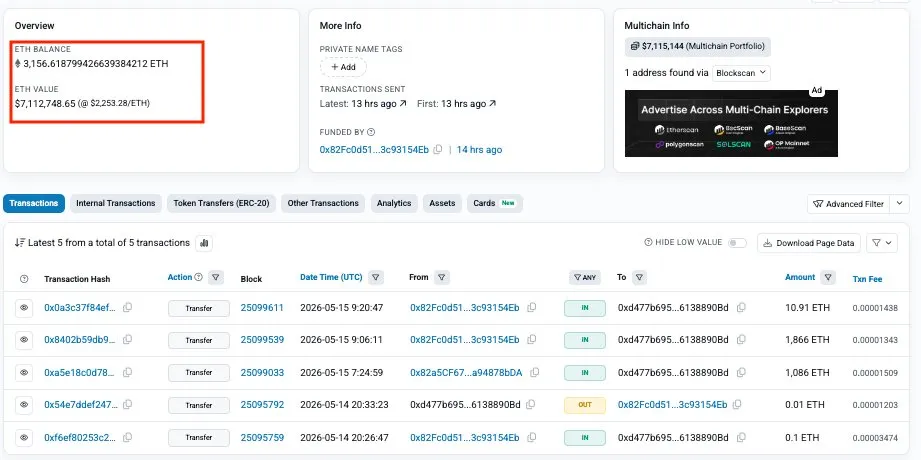
On-chain sleuth ZachXBT was first to flag the suspicious outflows. The THORChain team later confirmed the breach.
Developers paused the protocol, freezing trading, liquidity-pool operations and other “sensitive” actions.
The attacker is thought to have exploited a flaw in the GG20 TSS threshold-signature scheme that leaked confidential key material from multisig participants. Over time the hacker amassed enough data to reconstruct a private key and execute unauthorised outbound transactions.
THORChain said user funds were unaffected. The team continues to work on a full recovery plan and a network relaunch.
Project representatives also warned about fake pages that purport to offer compensation.
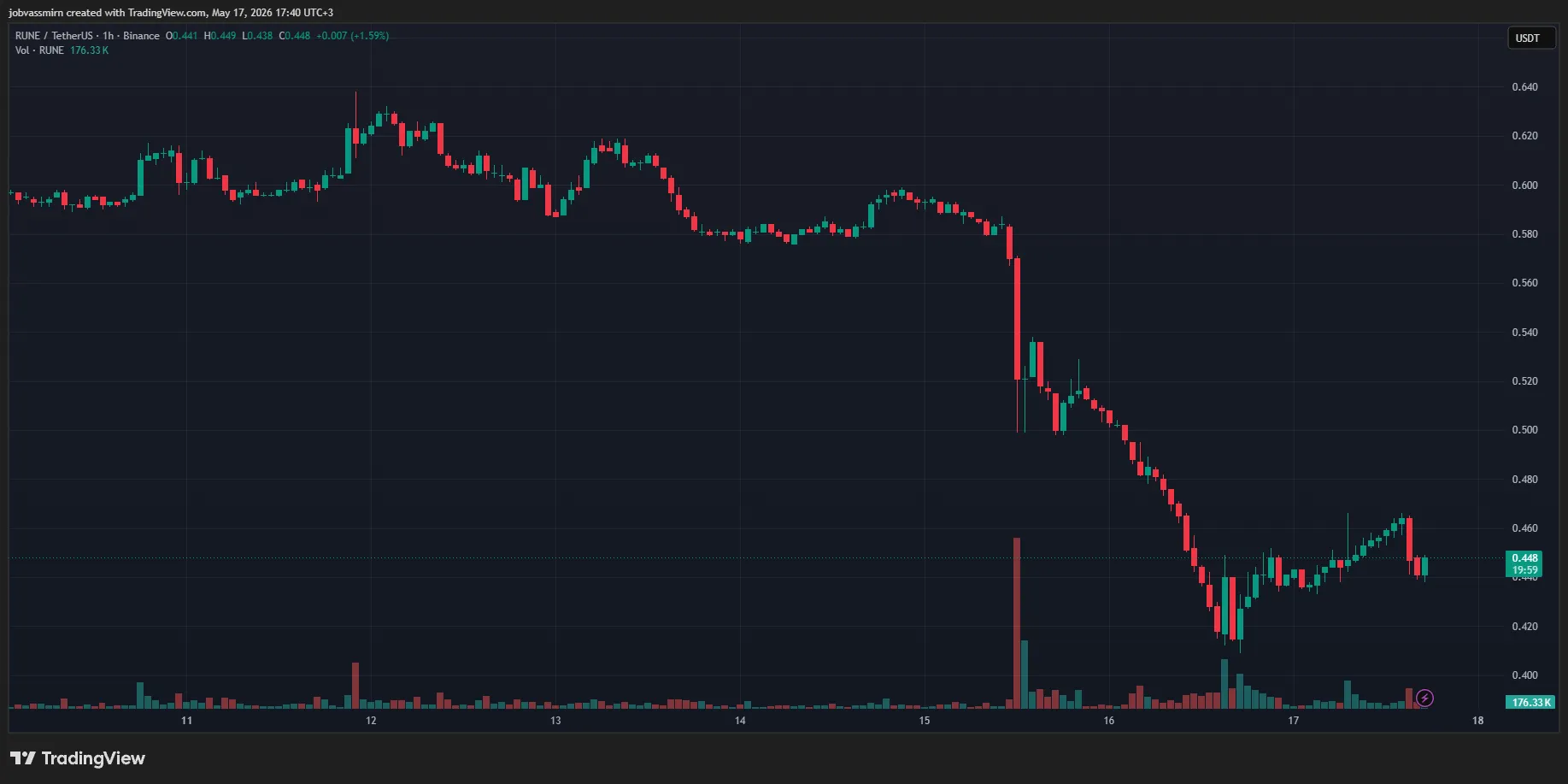
Following the hack, the native token RUNE plunged from $0.6 to $0.4. It has since recovered to $0.45.
This was not the project’s first such incident. In January 2025 the protocol froze the ThorFi lending platform amid rumours of insolvency. The $200m debt problem was ultimately resolved via new token issuance and restructuring.
In September, hackers hacked the THORChain founder’s personal wallet. According to ZachXBT, North Korean groups were involved in the $1.2m attack.
THORChain is also frequently used by criminals to launder funds after hacks, as cross-chain transactions are harder to trace.
No more blind signing
The Ethereum Foundation, together with wallet developers and cybersecurity firms, unveiled Clear Signing — a safeguard against attacks that exploit blind transaction signing.
The initiative aims to standardise on-chain transaction descriptions and make them understandable to users.

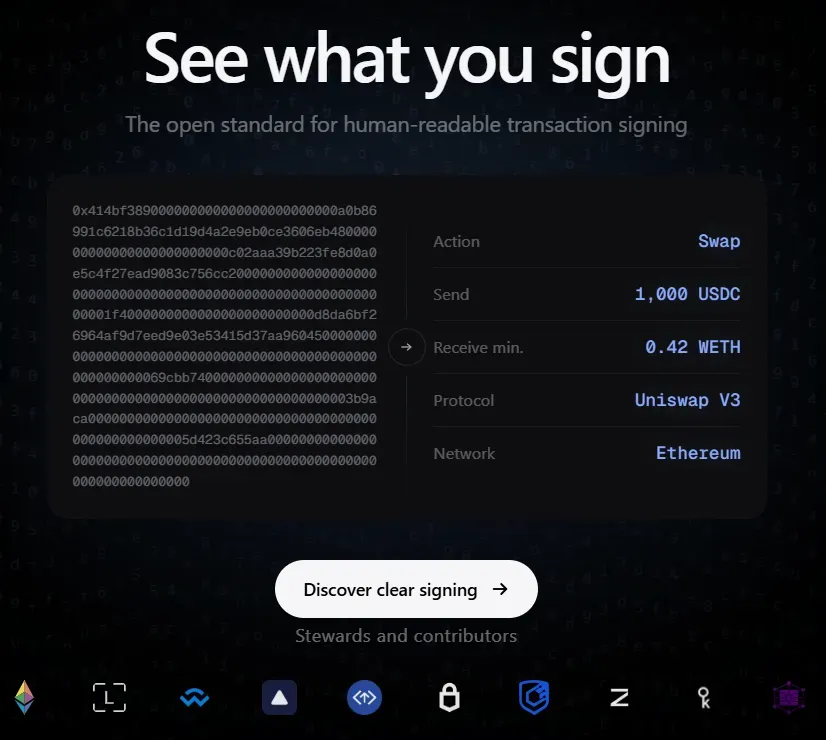
Clear Signing introduces several components:
- ERC-7730: an open format for transaction descriptions, proposed by Ledger in 2024;
- public registry: the platform clearsigning.org, where developers can publish smart-contract descriptions;
- verification system: independent experts will review and attest to the correctness of entries.
When confirming transactions, wallets typically display technical data as a hash. Scammers exploit the poor UX to conceal malicious contracts.
ERC-7730 introduces a “what you see is what you sign” format. It allows apps to provide clear, structured descriptions of on-chain actions.
To implement the project, a dedicated descriptor registry has been created. The Ethereum Foundation will act as a neutral operator of this infrastructure, while independent experts will check the accuracy of descriptions via an attestation system.
Also on ForkLog:
- 21Shares launched the first ETF on Hyperliquid.
- AI-driven inflation became a problem for tech giants.
- The Roaring Kitty account was hacked to dump the RKC token.
- Solana and Ethereum matched DEX trading volumes.
Secondary AI share trading banned
The two biggest AI start-ups — Anthropic and OpenAI — have banned secondary trading in their shares.
Anthropic’s new policy states that any sale or transfer of securities without board approval is void: the buyer will not be recognised as a shareholder and will receive no rights.
Its rival’s statement uses virtually identical wording: without written consent, a transfer of shares is invalid and has no economic value.
Both companies also listed the same trading avenues: direct sales, special-purpose structures, tokenised stakes and forward contracts.
Anthropic published a list of specifically blocked structures: Open Door Partners, Unicorns Exchange, Pachamama, Lionheart Ventures, Sydecar, Upmarket, Forge Global and Hiive. The last two are among the best-known platforms for secondary trading in private-company shares, and on Forge Global the start-up’s valuation had reached $1trn.
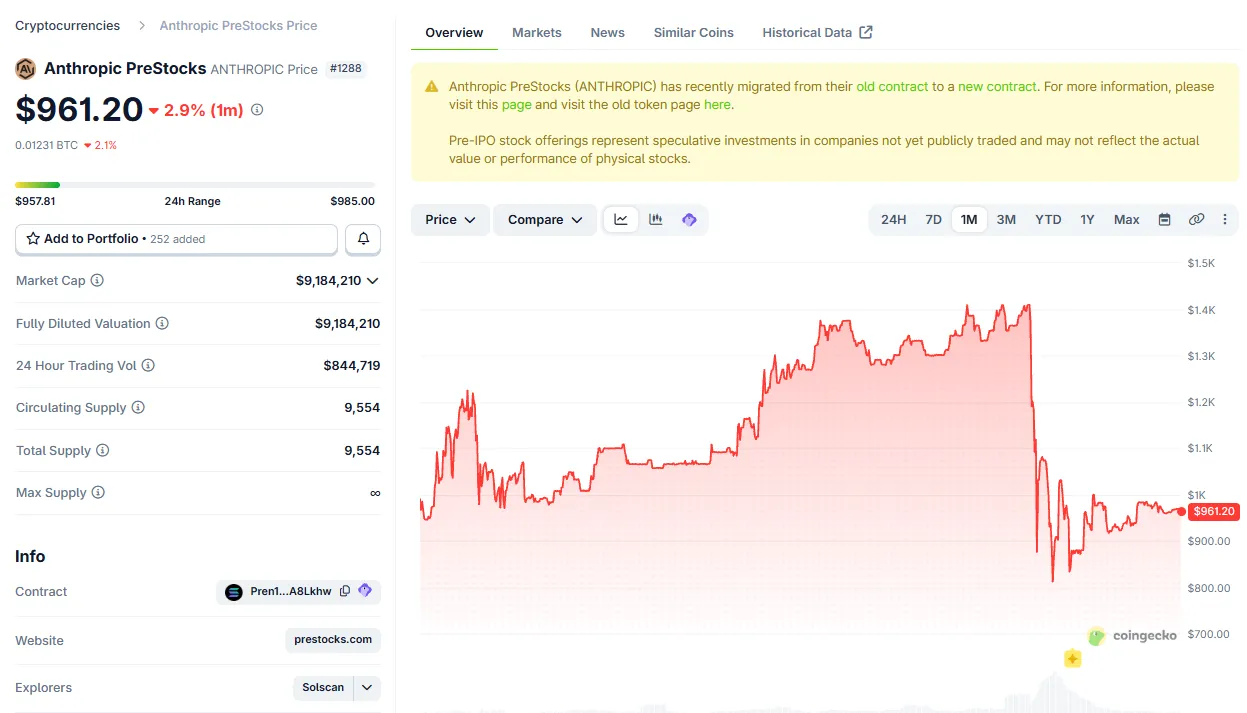
Market reaction was swift. After the announcements, Anthropic and OpenAI tokens on the PreStocks blockchain platform fell from $1400 to $873 and from $2000 to $1080, respectively.
By the weekend the tokenised securities had recovered slightly.
The moves may create difficulties for some crypto platforms that launched investment products with exposure to private-company shares. Most are perpetual futures — derivatives that track the value of private firms on secondary markets but do not confer ownership of real assets.
What else to read?
We unpack how Palantir built the infrastructure for modern warfare and the ideology it promotes.
How crypto ETFs changed the investment market, became a bridge to the digital world, and why direct indexing is called the next stage in the evolution of capital management.