



There’s a problem: people don’t linger. The metaverse’s teething problems.
Matrix — a series of ForkLog podcasts in which we discuss how the digital environment is transformed by the arrival of VR and augmented reality technologies, and talk about metaverses with pioneers: entrepreneurs, researchers and philosophers. In this episode we discuss with the CEO of the Meta Ads startup, Yaroslav Volov, the difficulties facing the growing metaverse market.
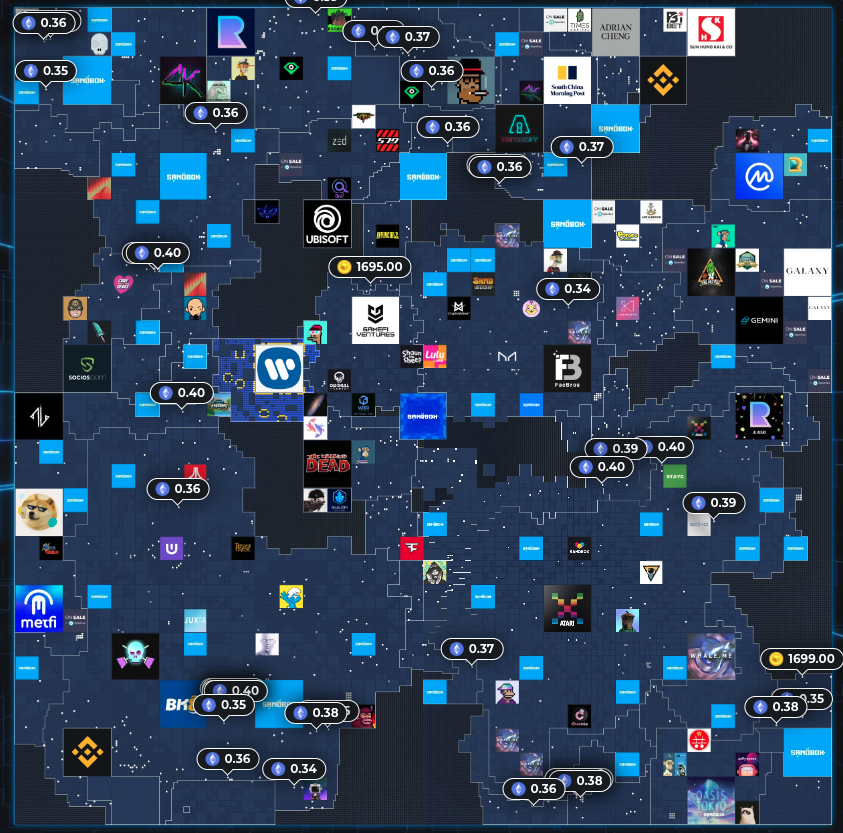
1. Metaverses lack traffic. Partly this is due to varying technical requirements: one metaverse is sufficient with a smartphone, for another you need a VR headset, and this in itself is a problem: devices lag, and people get dizzy. There are projects with high hardware requirements. Some are accessible only from a personal computer, others require special browser settings. A third, by contrast, works normally only on a phone.
2. Worlds are not interoperable. In technical terms this is called the “interoperability problem.” Achievements or loot earned in one metaverse cannot be carried over to another. This reduces user traffic.
3. High-quality content is lacking. The basic algorithm in most projects is as follows: you come in, buy a plot of “land” and create something on it. But this often requires a decent grasp of 3D modelling, knowing how to place them, i.e., performing a lot of technical actions. Many people are deterred, and traffic declines. Current possible solutions are roughly as follows: you have a strong team and you sell turnkey solutions. Or you approach a strong team, outline your vision so that they frame everything as needed. Finally, AI solutions are developing. Probably in six months to a year you will be able to input prompts, and the rest will be done by neural networks.
4. There is no regulatory framework. From a legal standpoint, metaverses are not regulated, although as long as traffic there remains modest regulators do not have a handle on them. And there are many questions. For example, if you can scan people for a basketball game, then obvious conflicts arise over the context in which someone’s image can be embedded.
Regulatory questions currently lie with platform owners. They try, on the one hand, to avoid liability, and on the other — to reduce the risk of appearance of conditional explicit content in their universe. If there are zones with slot machines, access there will likely be allowed only after age verification.
When a user places something prohibited on their location, sanctions may follow. First, a warning of violation of rules. If you continue to display this content, it may be removed, your so-called scene may be torn down, and you will have to recreate it. Or, in the extreme, you could lose the land.
How to understand what is forbidden? Usually, when buying land you are given a user agreement, as with any software, which users agree to without reading. It typically states that you cannot place content that contradicts common sense and the metaverse’s requirements.
5. A private case of legal complexity — the problem of virtual property. Example from the experience of Decentraland: in this metaverse one participant controlled several parcels of land through a DAO mechanism. A scandal erupted: it turned out that earnings from land were distributed unfairly, something was siphoned off. As a result, the governance issue was put to a vote inside the metaverse. This problem may arise systematically.
6. Monetization mechanisms are limited. Metaverses typically accept payments in crypto on the blockchain of the system on which the universe is built: the more transactions with the token, the more advantageous for the project. Some issue their own token, after which all operations inside the metaverse run on the basis of this token. This is the token’s “usefulness,” which allows it to hold price on the market, and to let the owners of the metaverse earn. Projects are often monetized through land sales, and its owners can earn from events, activities, advertising of goods and services (our startup Meta Ads indeed offers tools for running marketing campaigns). The future largely belongs to educational and developmental programs.
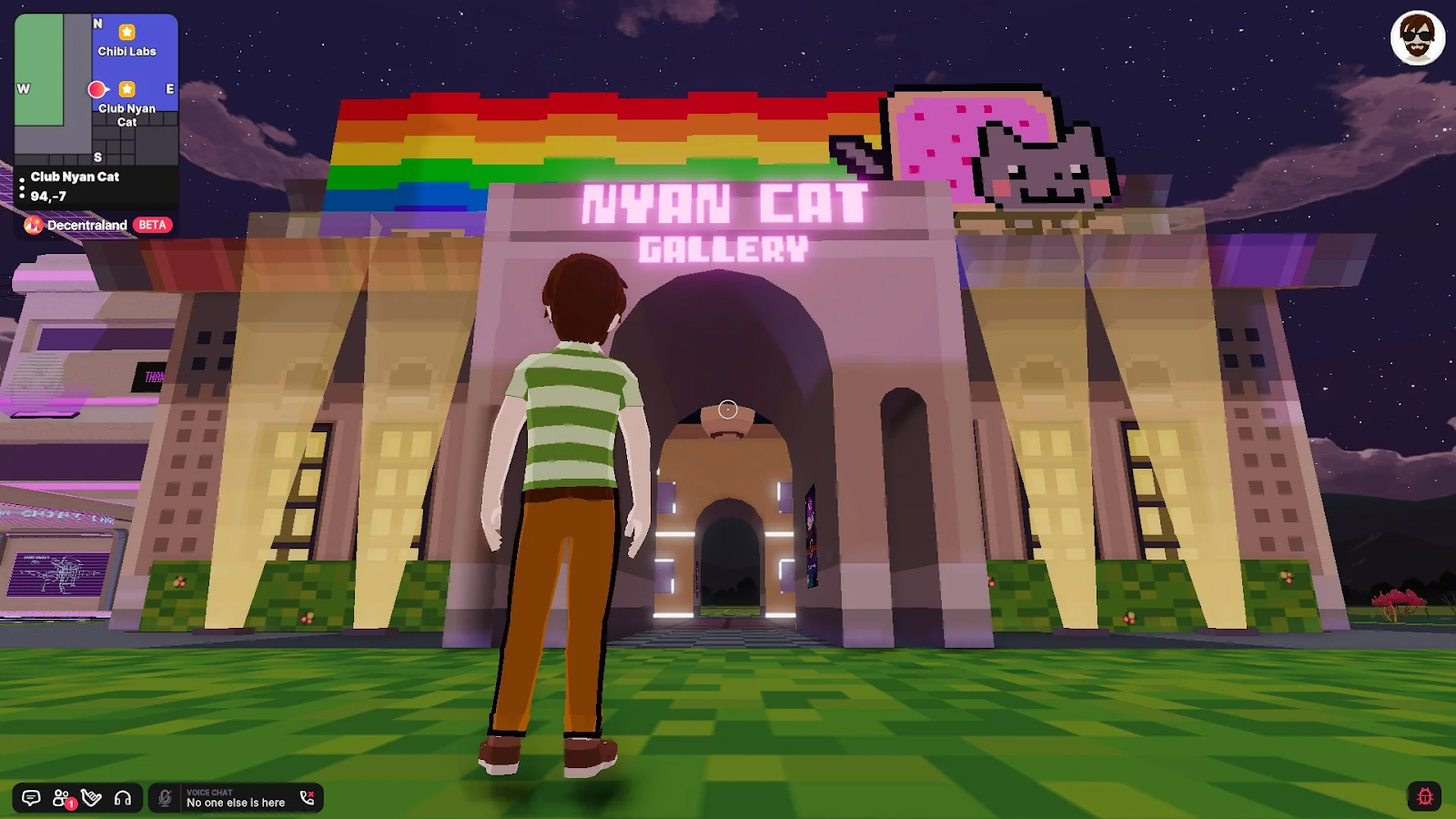
7. Retaining traffic is difficult. Any IT product either grows or dies. A one-off event may attract several thousand people who will not return. There are different ways to avoid this: mini-games, education. A user will return if you delivered an excellent lecture and announced another one a week later. If you offer scientific or educational material, the return conversion can be much higher than simply creating an aesthetically attractive place.
Which projects is Yaroslav Volov following?
- Decentraland — rich with game mechanics and compelling events. There are people there who deeply understand code and IT products;
- Roblox — interesting for children, an example of metaverse 2.5;
- Sandbox — similar to Roblox, pixel graphics, many brands, high-quality content inside the lands;
- Coming soon: beta version of Sensorium Galaxy — it has high hardware requirements, but cutting-edge graphics, as new metaverses are built on Unreal Engine.
Рассылки ForkLog: держите руку на пульсе биткоин-индустрии!