



US Proposes Rules for Cryptocurrency in Pension Investments
US senators propose legalizing a strategic Bitcoin reserve and moving away from Chinese miners.
The US Department of Labor proposed new rules for 401(k) pension plans. The agency plans to allow the inclusion of alternative assets, including cryptocurrencies.
The initiative aims to reduce regulatory uncertainty. The responsibility of managers will now depend on the quality of asset evaluation rather than their final profitability. Fiduciaries will have the freedom to choose assets, provided they conduct a thorough analysis of fees, liquidity, and potential risks.
The new guidance lifts the restrictions of 2022. Previously, authorities warned against including digital assets in pension plans due to high volatility. According to Deputy Secretary of Labor Keith Sonderling, the agency intends to maintain neutrality and refrain from prioritizing specific instruments.
The document does not directly promote cryptocurrencies but creates a “safe harbor” concept for market participants. Investment funds will be able to add Bitcoin, real estate, and other non-standard products without the threat of lawsuits.
Labor Secretary Lori Chavez-DeRemer noted that diversification will support innovation. Digital assets will help hedge inflation risks and increase portfolio returns for young investors focused on the long term.
The initiative’s development also involved the SEC and the US Treasury.
“Mined in America”
Senators Bill Cassidy and Cynthia Lummis introduced the Mined in America Act. The document proposes to reform the US mining industry, create a strategic Bitcoin reserve, and localize equipment production.
The Department of Commerce will establish a voluntary Mined in America certification system for data centers and pools that meet security standards. Program participants will be required to gradually phase out foreign equipment by the end of the decade.
Currently, the US controls about 38% of the global hashrate of Bitcoin. Meanwhile, 97% of specialized devices are produced by Chinese companies, including Bitmain and MicroBT. The authors of the bill view such dependence as a threat to national and economic security.
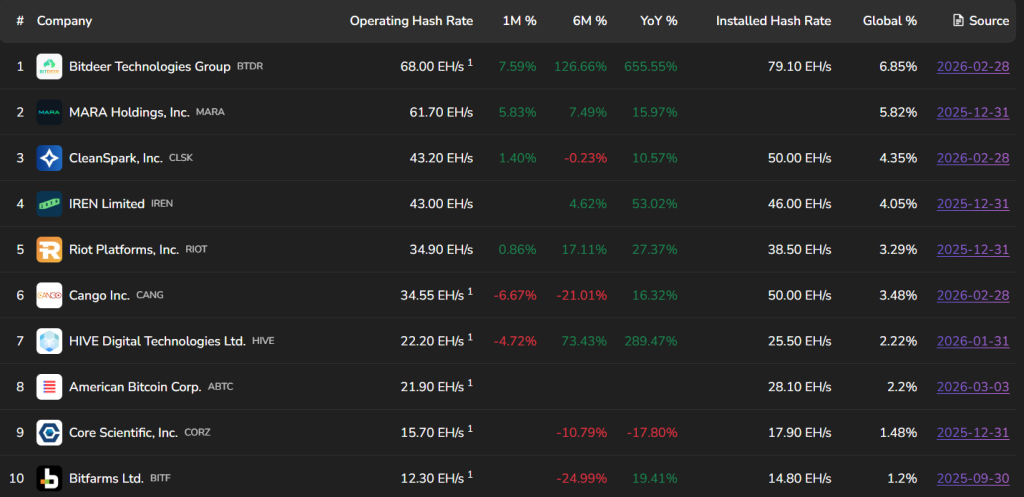
The National Institute of Standards and Technology will be tasked with reducing the imbalance. Additional funding will not be required—support for American equipment developers will be integrated into existing government programs.
The bill considers cryptocurrency mining as an effective tool for managing power grids. Certified miners will gain access to government funding for projects that:
- absorb excess renewable energy;
- help balance the grid load;
- utilize methane from landfills and oil fields.
The initiative has already received support from the Satoshi Action Fund.
The document also legally establishes the creation of a strategic Bitcoin reserve under the Treasury, formalizing the relevant executive order by US President Donald Trump.
To replenish the reserves, authorities will develop a “budget-neutral” mechanism. Revenues from staking and airdrops related to other state-confiscated digital assets will be directed to Bitcoin purchases.
Additionally, a tax incentive is introduced: certified American miners will be able to sell mined coins directly to the government in exchange for exemption from capital gains tax. This is expected to create an incentive to replenish the state reserve at a discount.
Back in March, it was reported that the US mortgage agency Fannie Mae will begin accepting digital assets as collateral.
Рассылки ForkLog: держите руку на пульсе биткоин-индустрии!