



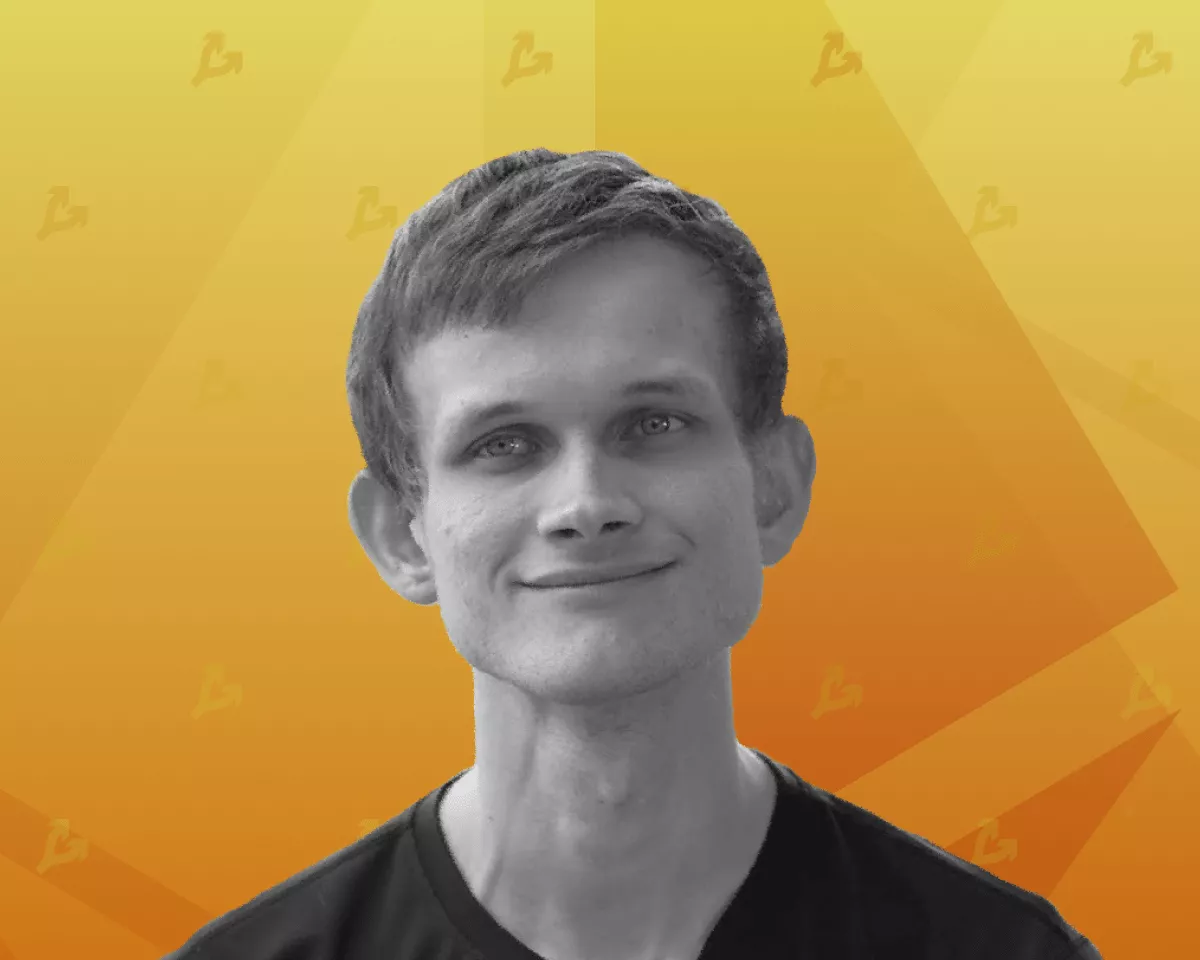
Ethereum co-founder Vitalik Buterin presented a mechanism for a fast merge of the current network with the Beacon Chain of version 2 of the protocol. The spark could have been miners’ ‘show strength’ due to dissatisfaction with EIP-1559.
“The goal is to describe a path for a fast merge with minor changes in ethpow or Beacon Chain clients. The latter must have channels to communicate with trusted Beacon Chain nodes and alter their fork-choice rules. A minimal merge will simplify future work, as there will be nothing to worry about later”, — Buterin wrote.
EIP-1559 is aimed at replacing the existing fee market, based on auctions, with a fixed price and a burn mechanism. The proposal will form part of the planned July London hard fork.
According to James Baker of the Status startup, the Ethereum co-founder became the initiator of the community’s response to a potential a 51% attack. Opponents of EIP-1559 formed enough computing power to do so, though the announced action is only to demonstrate the importance of considering their interests.
“Vitalik described a ‘fast merge’ — the transition from Proof-of-Work to Proof-of-Stake with limited changes in the clients.” Despite the miners’ stance, this path may prove preferable, — Baker explained.
Developer Mikhail Kalinin presented specifications for a ‘fast’ merge of ETH1 and ETH2 shortly before Buterin. The co-founder of the first cryptocurrency noted that his proposals do not contradict them.
\n
It’s been a while, but PR is opened. Everybody is welcome to collaborate! Let’s work that through to get Ethereum Mainnet onto proof of stakehttps://t.co/C9TOccXf3Y
\n
— Mikhail 👉👈 Kalinin (@mkalinin2) March 11, 2021
To speed up the process Kalinin proposed to \”discard\” most features and simplify the network. For example, delaying the ability to withdraw funds locked for staking. The developer did not rule out also delaying the launch of sharding. In that case, one could achieve a simplification of the merging of base features of the two blockchains.
According to Ethereum 2.0 lead developer Danny Ryan, in the next two weeks major project participants will discuss allocating resources for implementing this initiative. Along with Kalinin, Ryan is pursuing the ‘most minimalist merge’.
“Better to consider the simplest version of the upgrade and potential paths for deploying additional features. This will help manage complexity and risk”, — he added.
Earlier it was expected that the merge would occur around 2022 as part of Phase 1.5.
In the weeks before these events, Vitalik Buterin, on the Tim Ferriss Podcast, spoke about the forthcoming rollout of a second-layer solution called [simple_tooltip content=’The technology bundles several transactions into one, reducing load on the main Ethereum network.’] Rollups [/simple_tooltip], developed by Optimism. This could happen ‘in a month’.
“If there are Rollups, but no sharding, throughput can still be increased by 100x. We still have the possibility to reach throughput from 1000 to 4000 TPS depending on their complexity”, — he said.
In January, the Ethereum layer-2 solution Optimism launched the DeFi project Synthetix.
In December 2020, Messari analysts noted that Layer-2 solutions based on Rollups would leave Ethereum, on its move to ETH2, out of reach for competitors out of reach for competitors.
Subscribe to ForkLog news on VK!