


Web3 Potential and Governance Challenges in DAOs: Highlights from the DAO Tokyo Conference
On April 13 in Tokyo, the DAO Tokyo conference focused on the technologies underpinning decentralized autonomous organizations (DAO).
Attendees included representatives from projects such as Aragon, MakerDAO, Gnosis, Uniswap and ConsenSys. They discussed the potential of Web3 in the context of transforming society and the economy, as well as the prospects for DAOs and the challenges they face.
For ForkLog, Web3 journalist Tamara Soykina prepared a report from the event.
A temple with a centuries-old history
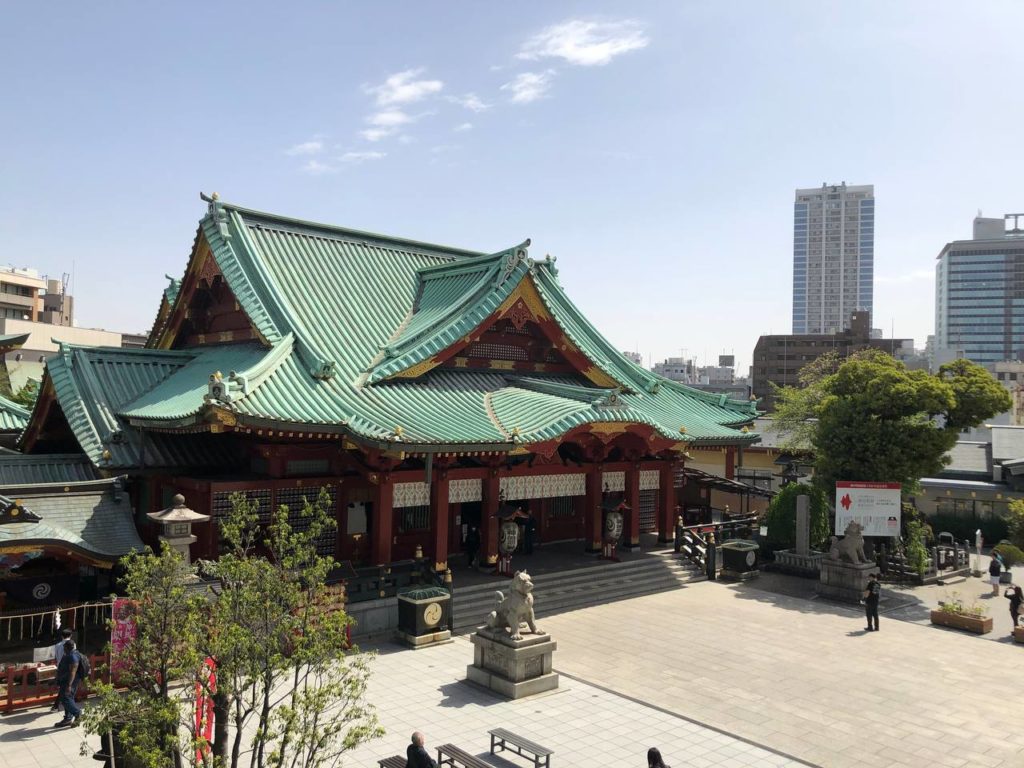
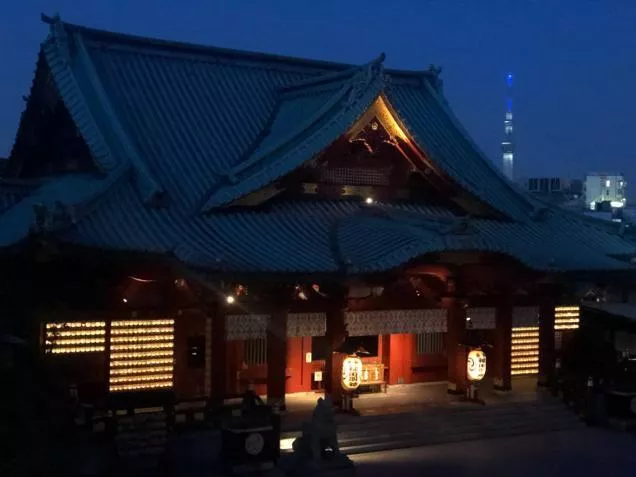
The organisers of the first DAO Tokyo chose the Kanda Myojin shrine in Tokyo as the venue for the event. This building, with a history of more than 1,300 years, became the meeting place for tech enthusiasts who gathered to network and discuss the latest developments in DAOs.
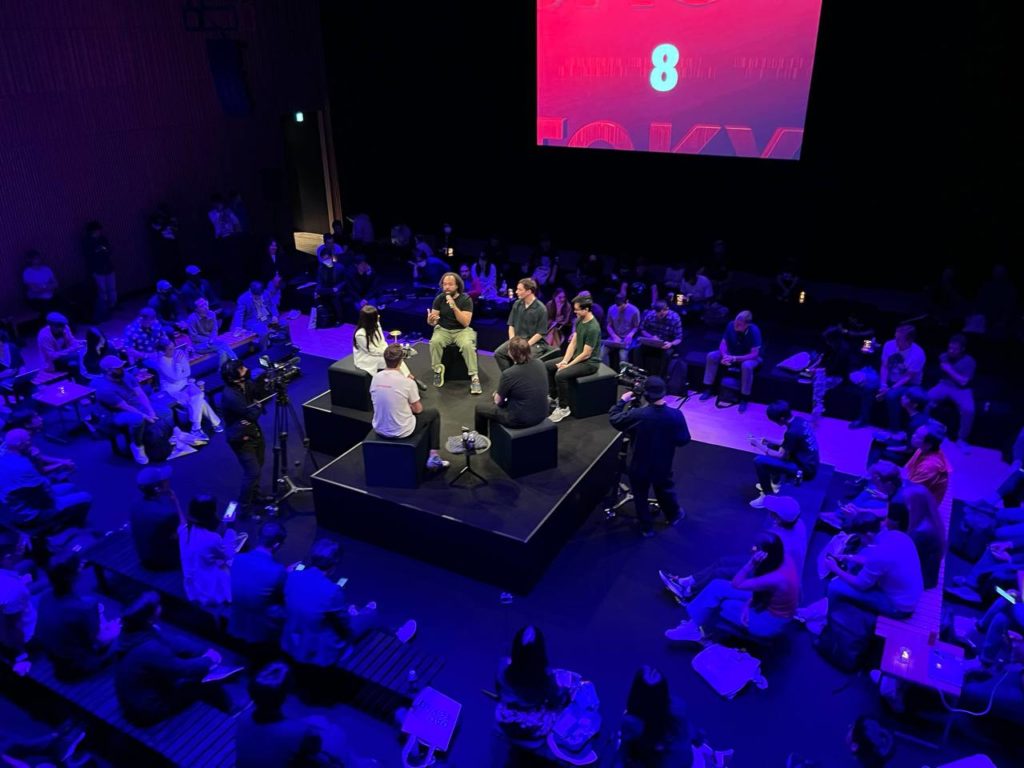
The conference featured an impressive lineup of speakers. They shared experiences and insights about the technologies underpinning the ecosystem.
Ten panel discussions took place during the event. Participants debated the prospects for DAOs, the challenges and opportunities facing the community. Attention was also given to the potential of Web3 and the decentralised governance model to transform various social and economic aspects.
Prospects and challenges
During the panel discussions, experts noted that decentralisation and blockchain technology are increasingly used to address real-world problems such as verifying identity and promoting financial inclusion.
Experts argued that, in this context, it is crucial to create systems that prioritise privacy and allow participants to control their data.
The conference highlighted that the technologies of the Web3 sector allow artists and other content creators to monetise their work directly, bypassing centralized platforms or intermediaries. This leads to a fairer distribution of revenue and greater autonomy for creators.
The intersection of Web3 and gaming is a fast-growing area with the potential to disrupt traditional gaming models and create new forms of engaging social interactions.
Experts noted that, in the transition to Web3, developers need to address a number of issues related to power distribution and governance. Decentralised systems should be community-driven and democratically governed.
According to experts, DAOs, like blockchain-based gaming, are capable of disrupting traditional ownership and governance models, delivering greater fairness and inclusivity.
However, many challenges remain that projects must work together to promote the acceptance of Web3 and the decentralized autonomous organisation model. Among these challenges, experts cited technical barriers, regulatory compliance, and various social consequences.
Japanese cuisine and NFTs
DAO Tokyo went beyond informative panel discussions and talks, offering participants a range of engaging and exciting events.
One of them was the opportunity to generate a unique NFT from the The Kanda Myojin AR collection. Participants could also sample traditional Japanese cuisine — onigiri and miso soup.
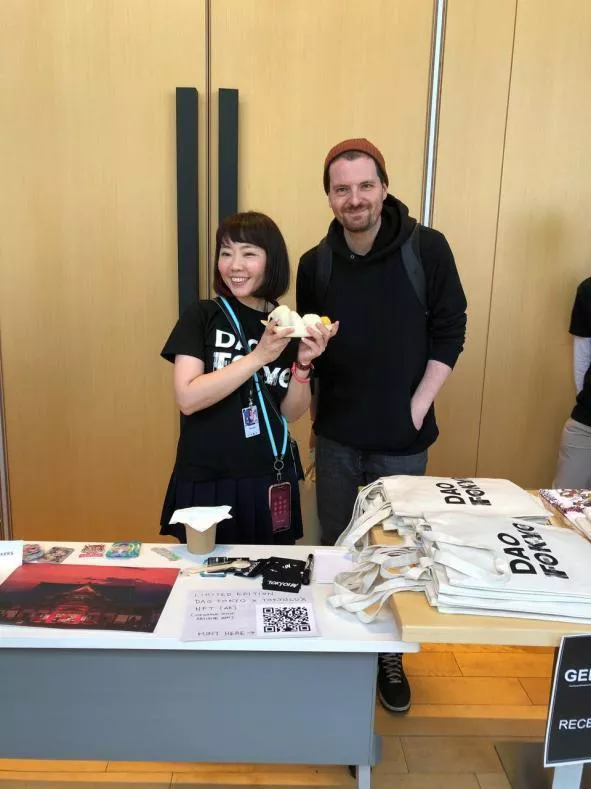
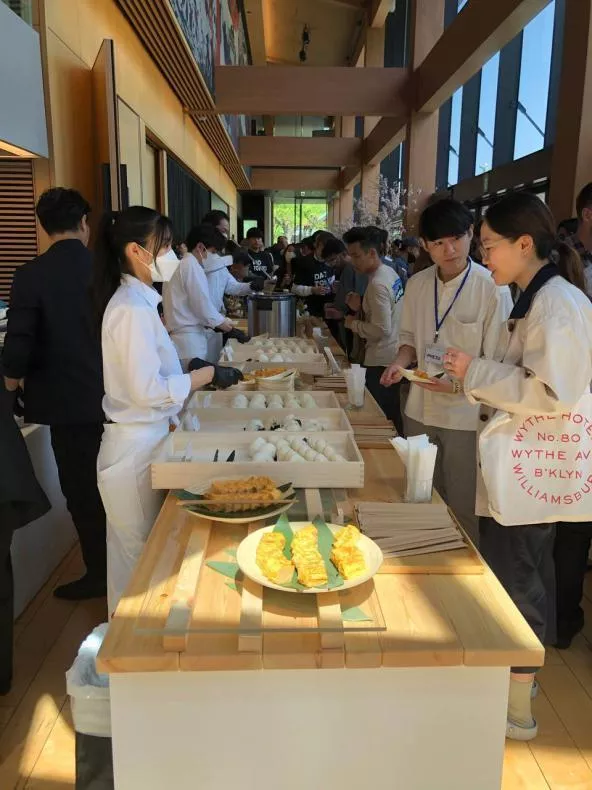
The ENS DAO team created an interesting initiative — 120 pre-registered attendees were handed unique ENS Cards. These are contactless NFT business cards that prove their holders really met at the conference.
We spoke with several speakers to learn why they agreed to speak at the event, what insights they took away, and what they think about the future of DAOs.
Shibuya.xyz co-founder Jackie Wang explained that DAO Tokyo united DAOs and communities from the East and West, creating an ideal environment for discussions and mutual exchange of experience. He said that each decentralised organisation is unique and requires a tailored approach, so open discussions are the key to growth and shared learning.
MakerDAO head of growth in the APAC region Joslyn Chang noted that Asia has a unique opportunity to play a leading role in shaping the future of DAOs, thanks to the plethora of projects in the field. She considers participation in the DAO Tokyo conference an important step in encouraging adoption, collaboration and innovation in the region.
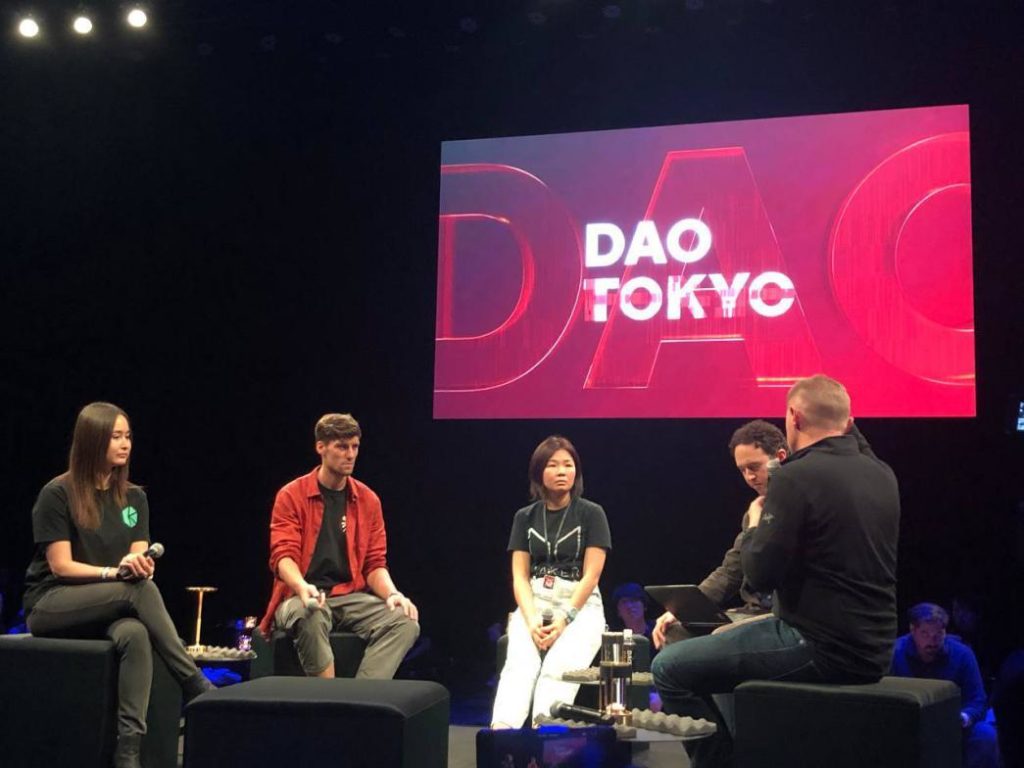
Co-founder Patrick Rowson stated that he views DAOs as a tool for promoting decentralisation and democratisation across industries. He believes this approach yields better outcomes for the majority of people. He noted that DAOs are gradually moving from virtual realms to tangible spaces, especially in areas such as biotechnology, agriculture and construction.
According to Rowson, the Japanese Web3 ecosystem possesses “energy” that had not previously been visible. He noted that Eastern DAOs are gaining momentum, while US organisations face regulatory constraints.
***
With Japan easing COVID-19 restrictions, more offline events are on the horizon, including Asia’s largest Web3 conference WEBX and the annual Japan Blockchain Week 2023.
In line with current regulatory principles, the country aims to develop guidelines for operators of stablecoins, NFTs and DAOs. The government has already made growth of the Web3 sector part of its national strategy.
The Japanese crypto market is set to grow on a global scale, so users should keep an eye on developments in the region.
Рассылки ForkLog: держите руку на пульсе биткоин-индустрии!