




Bitcoin slipped through a key psychological threshold; hacks of DeFi protocols unsettled the sector; a Samourai Wallet founder was sentenced to five years in prison; and other highlights from the week.
‘Extreme fear’ in the market
The past seven days rattled crypto investors. The digital gold twice dipped below $100,000.
Monday opened with a cascade of selling that lasted through Wednesday, 5 November. That day saw the first test of the psychological mark. Daily liquidations topped $1.78bn.
The asset then recovered modestly to $105,000, but on Friday there was another pullback to $99,000. Although dip-buyers stepped in, it failed to reclaim prior levels.


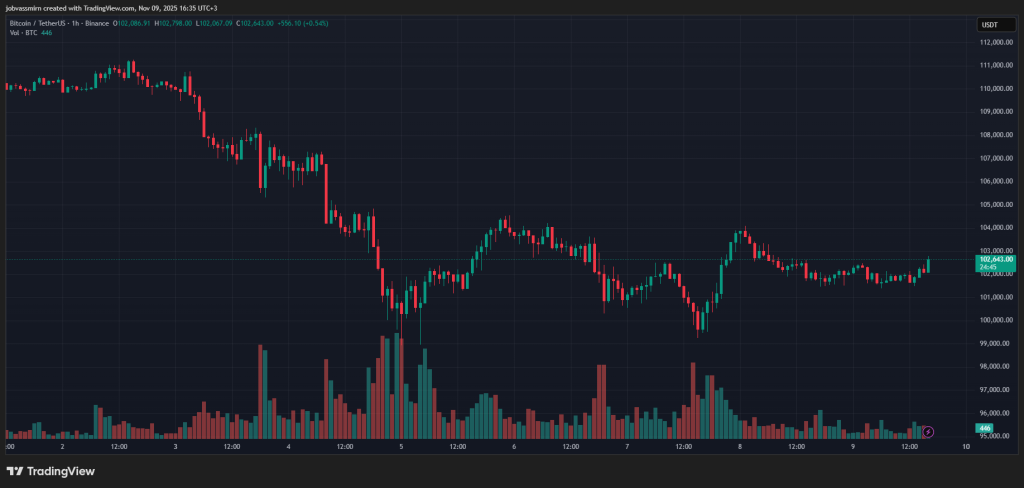
At the time of writing, bitcoin trades around $102,700, down nearly 8% on the week. Its market capitalisation is $2.04trn.
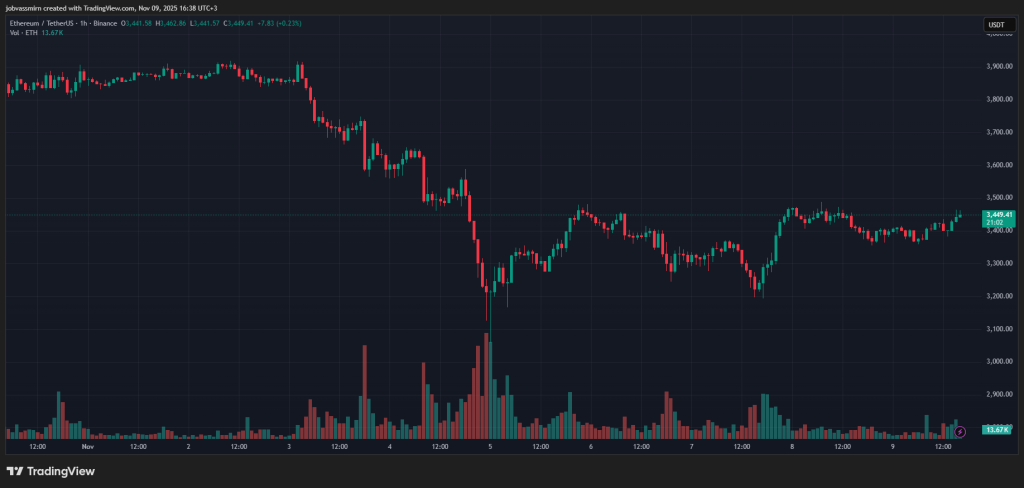
Bitcoin dragged other assets lower, some even harder. Ethereum briefly fell to $3,000. It has rebounded to $3,400, yet remains more than 11% lower week-on-week.
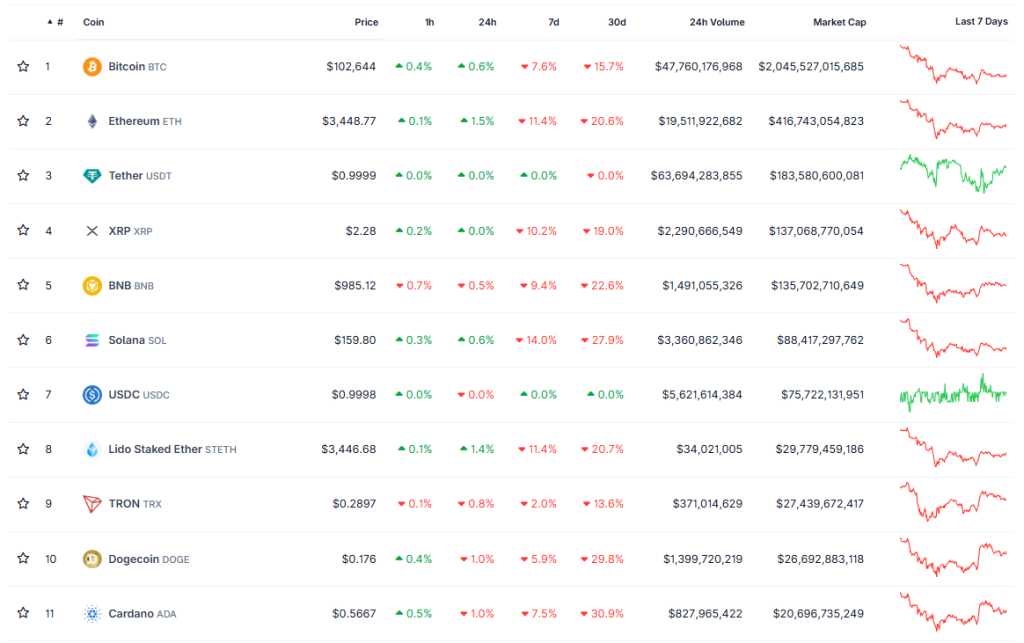
Other top-ten assets also finished in the red. Solana lost 14%, XRP — 10%, and BNB — 9%.


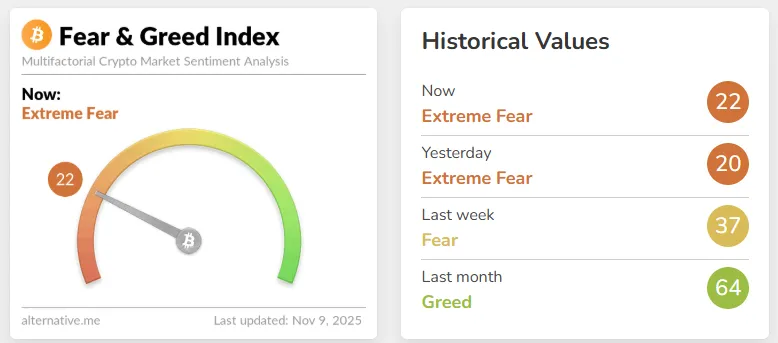
The Fear and Greed Index slid to 22—firmly in ‘extreme fear’ territory.


One corner stood out: privacy coins. In the past 24 hours their capitalisation jumped 40% to $41.6bn.


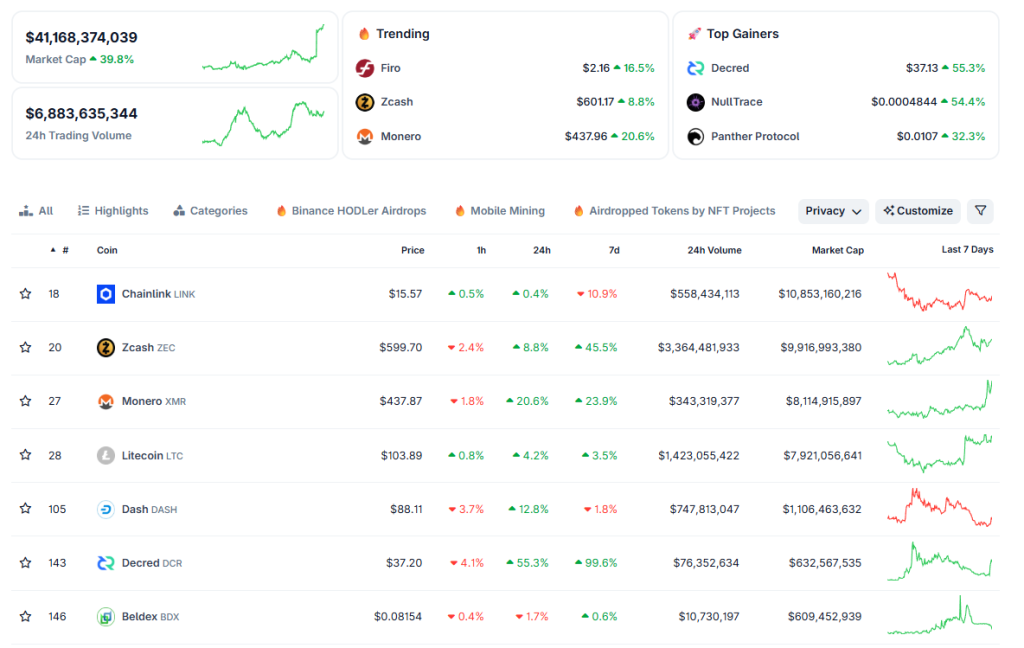
Zcash led, up 45% on the week. The coin has already cleared $600. Monero rose 23%, and Decred 100%.
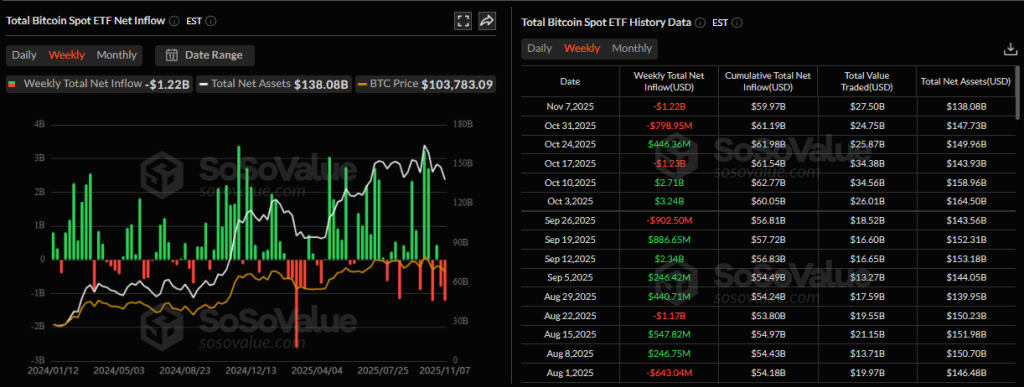
The sell-off also coincided with outflows from ETFs. US bitcoin products had one of their worst weeks, shedding $1.22bn.


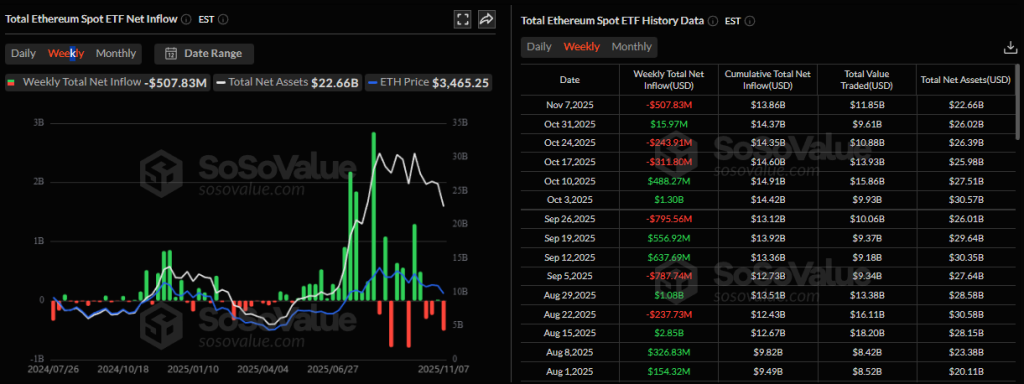
Ethereum funds saw a combined $507m in outflows. Bucking the trend, Solana ETFs attracted $136m.


DeFi troubles
Beyond the broader market malaise, decentralised finance faced its own troubles. A string of hacks was to blame.
On 3 November, news emerged of a breach at the DeFi protocol Balancer. The attackers drained at least $128m.

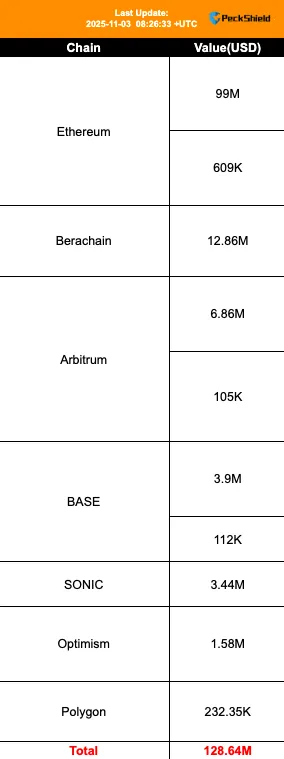
The attackers likely exploited a vulnerability in Balancer V2 pools. They created a malicious contract that fooled the system when new liquidity pools were set up. The stolen funds were immediately laundered through crypto mixers.


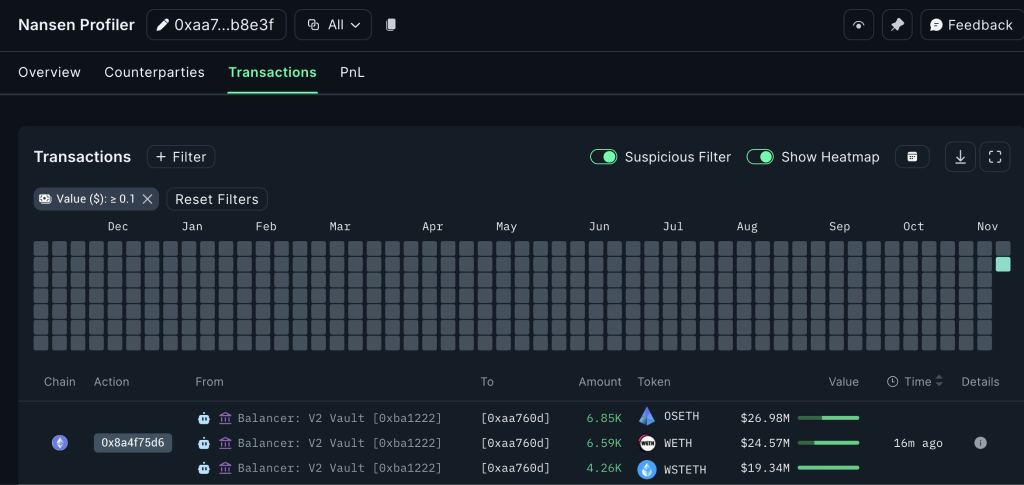
The breach forced Berachain Foundation to carry out an emergency hard fork. The network was halted to fix a vulnerability in the native decentralised exchange BEX. The move is intended to block stolen tokens from leaving the network and to prevent repeat incidents.
Hot on its heels, the Stream Finance protocol was attacked. On 4 November the project suspended withdrawals and deposits, reporting $93m in lost assets.
Its Staked Stream USD (xUSD) token subsequently lost its peg.

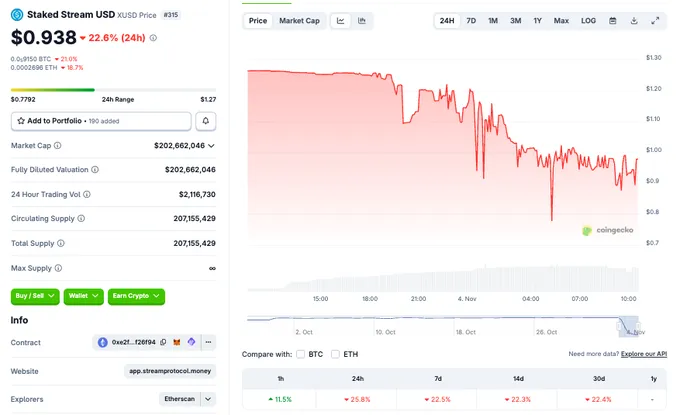
Analysts at YieldsAndMore suggested these incidents could trigger cascading liquidations and collateral issues. They estimated potential knock-on losses at $285m.
By their account, xUSD’s collapse affected several stablecoins, including deUSD and scUSD, as well as treasuries. Tokens at risk include ‘synthetic’ xUSD, xBTC and xETH.
Their suspicions were confirmed a few days later. On 6 November the USDX ‘stablecoin’ from Stable Labs lost its US dollar peg. In 24 hours the token fell by more than 60% to $0.30; it now trades near $0.10.


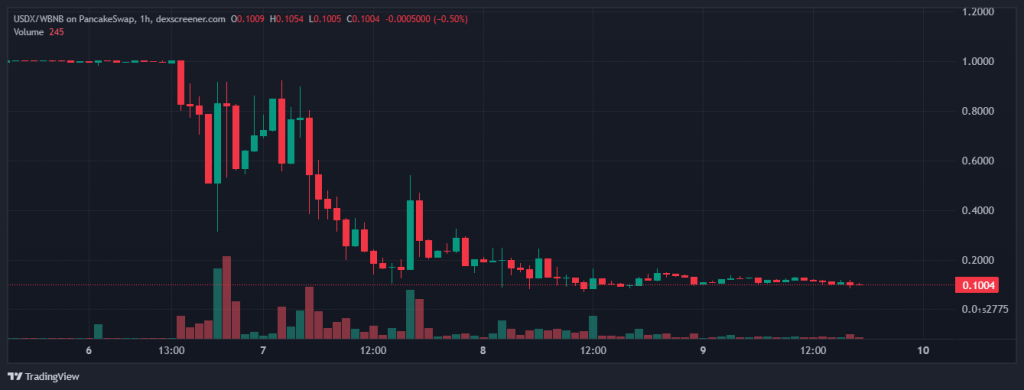
The community launched an emergency vote on forced liquidation in the USDX/USD1 market to minimise potential losses. The measure passed by a majority.
Meanwhile, the Elixir protocol said it would cease supporting its deUSD stablecoin due to the Stream Finance hack. According to the team, around 80% of tokens have already been repurchased from holders at 1:1 in USDC.
What to discuss with friends?
- Tesla will release a ‘flying car’.
- A Spanish institute will sell 97 BTC bought 13 years ago.
- Experts found nothing unusual in bitcoin’s 19% correction from its peak.
- Google will add Polymarket and Kalshi data to Search.
Plenty of transactions per second
Though Ethereum’s market performance has been uninspiring, its on-chain metrics are hitting records.
The Ethereum ecosystem set a new all-time high for transactions per second (TPS). After including data from the L2 network run by the Lighter DEX, the metric reached 24,192.

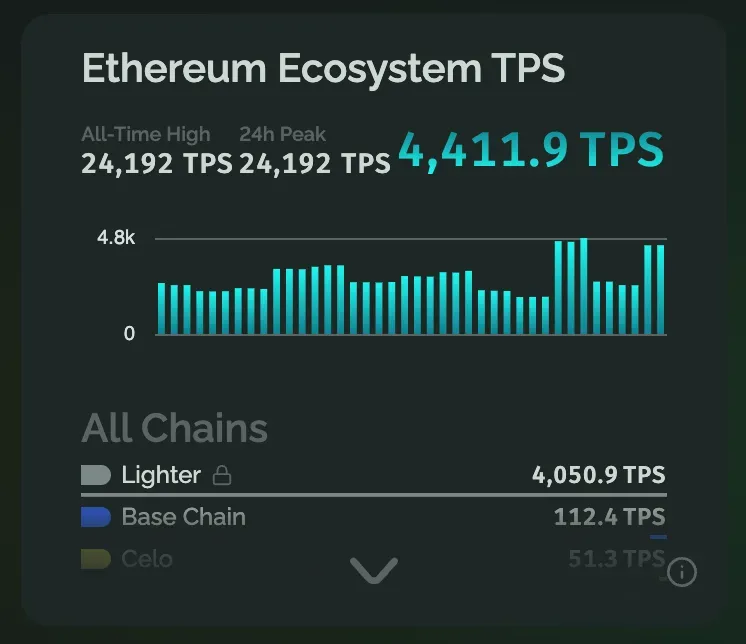
Lighter alone processes over 4,000 TPS. The nearest competitor — Base — manages just 112 TPS.
The technological basis for the new record were the Pectra and Dencun hard forks, which significantly increased layer-two transaction throughput.
Bankless host Ryan Sean Adams noted that L2s have boosted Ethereum’s scalability 200x since October. He linked this to the spread of ZK technologies and suggested 100,000 TPS could be reached in the coming months.
Ethereum co-founder Vitalik Buterin commented on the milestone, stressing that the network is “scaling”.
Also this week the Ethereum Foundation relaunched its grants programme. The new model implies a “proactive approach” to supporting projects.
The initiative aims to solve resource constraints by moving from a reactive to a proactive approach. It should ensure that funding goes to the ecosystem’s priority goals.
The programme is structured around two channels: a “Wishlist”, outlining areas where the foundation sees “important gaps and opportunities for progress”, and “Requests for Proposals”, which describe specific problems and “invite applicants to propose targeted solutions”.
Also on ForkLog:
- Bitcoin miner IREN signed a $9.7bn contract with Microsoft.
- FTX withdrew a controversial motion on “problem” countries.
- Trading volume on perp DEXs surpassed $1.3trn.
- Samson Mow: bitcoin’s bull market has not started yet.
Samourai verdict
On 6 November a US court sentenced Samourai Wallet co-founder Keonne Rodriguez to five years in prison — the maximum sought by prosecutors. He was also ordered to pay a $250,000 fine.
Sentencing of the wallet’s other co-founder, William Hill, is scheduled for 19 November.
Before the hearing, the prosecution submitted a memo to the judge stating that the defendants “repeatedly incited, encouraged and urged criminals” to use their platform to hide illicit funds.
The document included screenshots of chats and posts in which Rodriguez called cryptocurrency mixing “money laundering”. In addition, in 2020 and 2023 Hill allegedly promoted Samourai on darknet forums, claiming the project would “clean dirty bitcoins” and make them “untraceable”.


Earlier, Rodriguez and Hill struck a deal with law enforcement, partially pleading guilty to creating an unlicensed service that helped launder millions of dollars in criminal proceeds.
Kazakhstan’s bitcoin reserve
Timur Suleimenov, head of Kazakhstan’s central bank, announced the creation of a state crypto reserve worth $500m to $1bn.
The fund will launch in 2026. It will be operated by the country’s main platform for blockchain development, the Astana International Financial Centre. The reserve will be built on digital assets seized in criminal cases related to illegal mining and trading.
The vehicle does not intend to buy crypto directly, but to invest via exchange-traded funds.
Management will be assumed by a state investment platform. Foreign partners may be brought in after launch. The crypto fund will be part of Kazakhstan’s strategy to institutionalise the crypto industry.
Suleimenov first said in June that confiscated bitcoins would be used to build the reserve. In September President Kassym-Jomart Tokayev ordered the initiative to be accelerated.
That same month the central bank announced a pilot of a “stablecoin” pegged to the national currency, the tenge.
What else to read?
Anatoly Kaplan on why it is important to return to the humanist values of the early internet in the face of the “corporate Antichrist” and a crisis of the global financial system.
Why Asia’s crypto chaos matters more than the Fed’s rate.
How the internet is learning to charge per click: from first HTML initiatives and experiments of the 1990s to x402 — a standard that seeks to combine data and value transfer in one protocol.