




Digital gold tested $108,000 before plummeting to $92,000, mining difficulty reached a record high, FTX representatives announced creditor compensation timelines, and other events of the past week.
Peak and Local Bottom
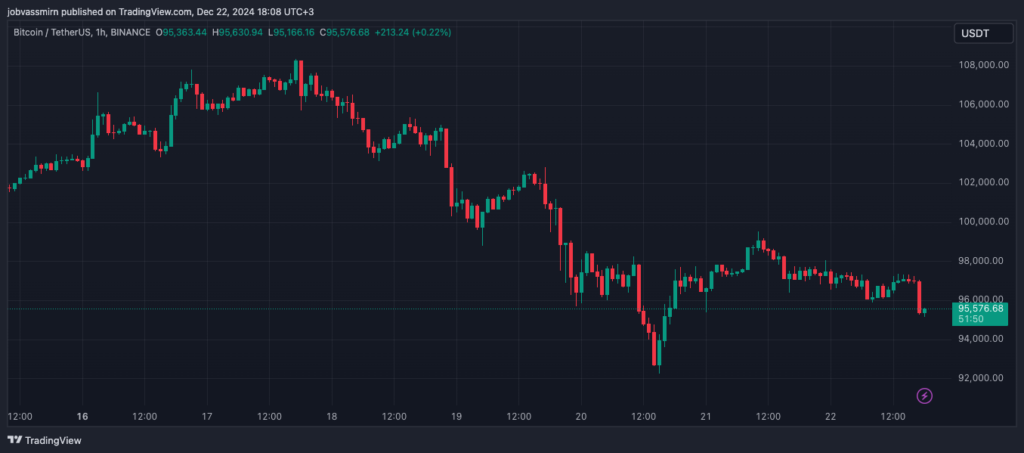
The week began with a rapid rise for the leading cryptocurrency. On Monday, December 16, Bitcoin’s price twice set a new all-time high (ATH) — first at $106,500, then around $107,200 (on Binance).
The next day, the asset again surpassed its ATH, exceeding $108,000.


However, the US Federal Reserve meeting on Wednesday sharply changed market sentiment.
On December 18, the Fed announced a 25 basis point cut in the key rate to 4.25-4.5% per annum. At the subsequent press conference, Fed Chair Jerome Powell indicated that the agency is not interested in creating a national Bitcoin reserve.
“As you know, we are not allowed to own Bitcoin. The Federal Reserve Bank dictates what we can own, and we are not seeking legislative changes. This is up to Congress, but we are not interested,” Powell stated.
Following the meeting, the price of digital gold fell below $100,000. Within a few days, the asset dropped to $92,000 — a 14% decline. On December 19, the volume of forced liquidations in the cryptocurrency market reached $1.01 billion, including $844 million in longs.
At the time of writing, Bitcoin has recovered and is trading around $96,000.
The correction significantly impacted altcoins. On a weekly basis, Ethereum fell by 12.5%, compared to Bitcoin’s 5.4% drop.


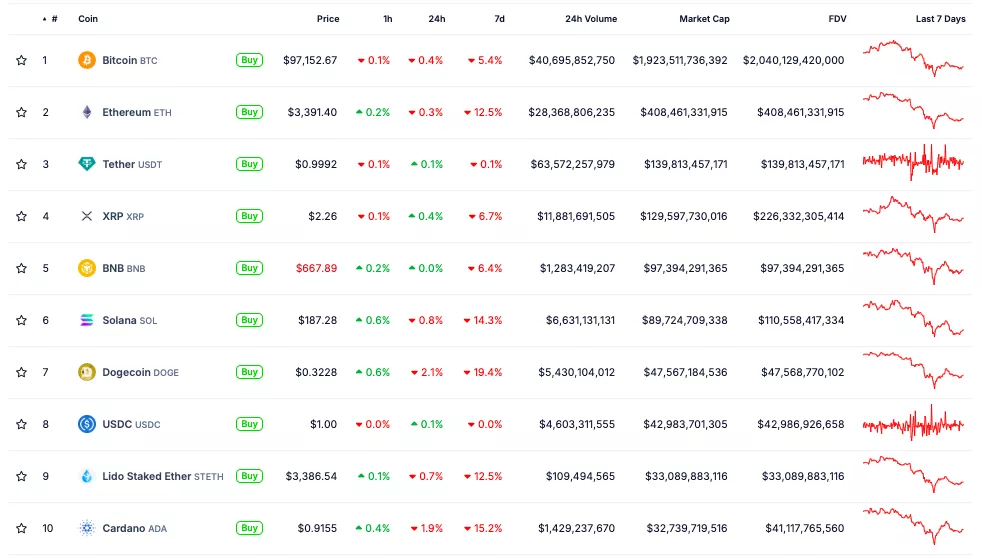
Solana (SOL) dropped by 14.3%, falling below the $200 level. Dogecoin (DOGE) and Cardano (ADA) lost 19% and 15% respectively.
The total cryptocurrency market capitalization stands at $3.5 trillion, with Bitcoin’s dominance at 55%.
Record Mining Difficulty
On December 16, following the latest recalculation, the mining difficulty of the leading cryptocurrency increased by 4.43% to a record 108.52 T.


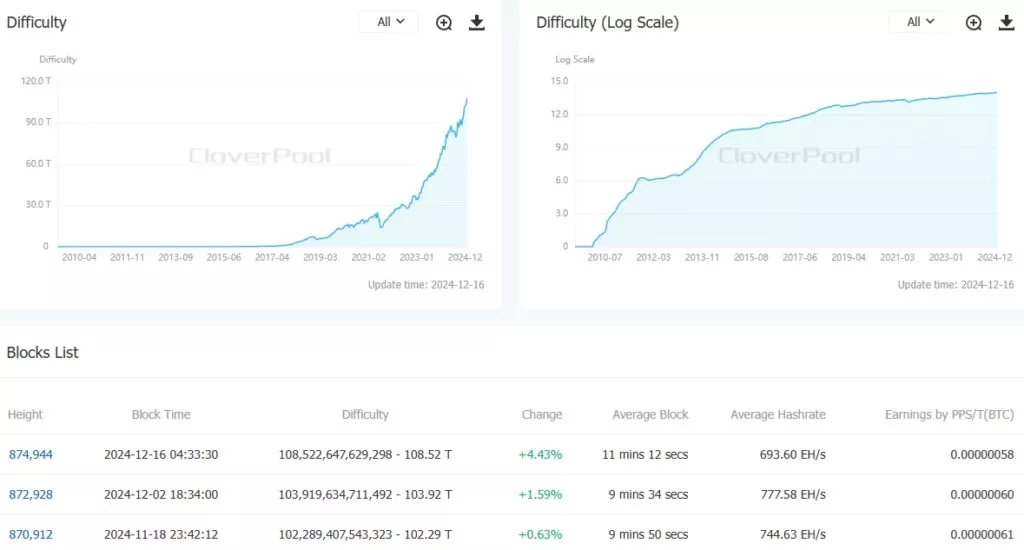
The average hash rate over the past two weeks was 772.2 EH/s, and the interval between blocks increased to over 11 minutes. This indicates a potential reduction in difficulty at the next adjustment.
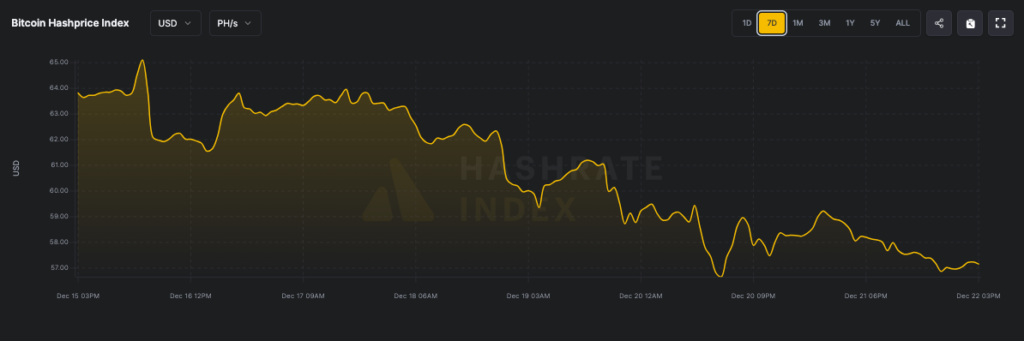
According to Hashrate Index, the hash price rose to $65 per PH per day amid Bitcoin’s ATH, but fell to $57 after the correction.


This week, it was also revealed that Chinese smart equipment and transaction services provider for the auto industry, Cango, ranked third in hash rate among Bitcoin miners.


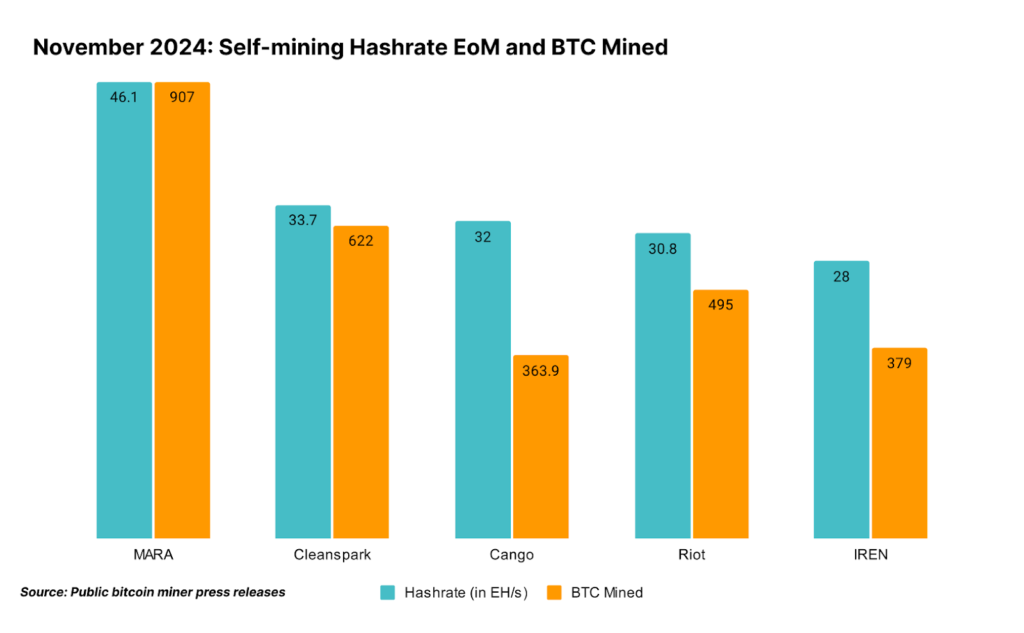
The company’s computing power is estimated at 32 EH/s, generated by Bitmain’s Antminer S19 XP ASIC devices, purchased in November for $256 million.
Cango plans to add another 18 EH/s from Golden TechGen Limited in exchange for $144 million in CANG shares. This will raise the firm’s total hash rate to 50 EH/s.
Meanwhile, miner MARA Holdings acquired 15,574 BTC for a total of $1.53 billion at an average price of ~$98,529 per coin. The firm used funds raised through convertible bond offerings in November and December.
On December 19, Hut 8 Corp also purchased 990 BTC for approximately $100 million ($101,710 per coin). The firm’s reserves reached 10,096 BTC.
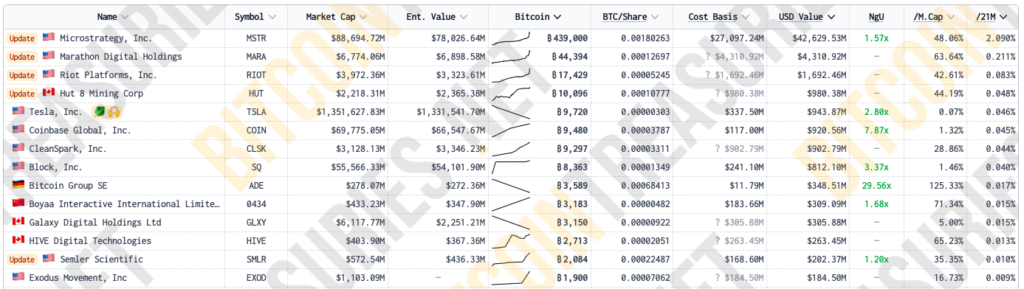
According to BitcoinTreasuries, MARA holds the second-largest corporate reserves of digital gold (44,394 BTC), trailing only MicroStrategy, which has accumulated 439,000 BTC.


FTX Compensation Approval
Representatives of the bankrupt exchange FTX announced the effective date of the court-approved reorganization plan — January 3, 2025.
The first distributions to unsecured creditors will occur within 60 days. Timelines for other claim classes will be announced later.
BitGo and Kraken will act as intermediaries in the payments. Sunil Kavuri, a representative of the largest creditor group, noted that FTX has reserved a spot for a third partner on the debtor portal.
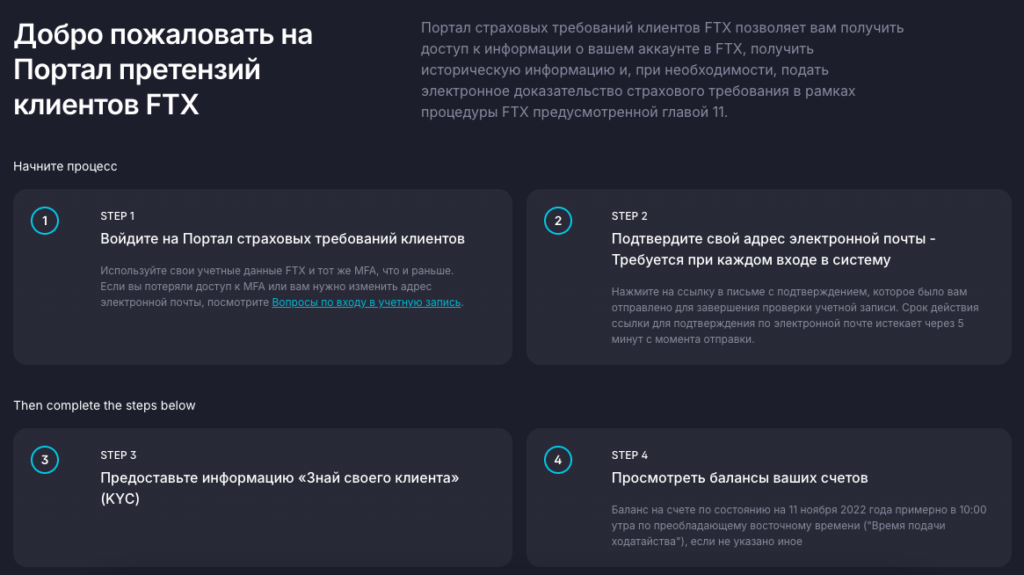
To qualify for distributions, creditors must complete KYC registration on the site, submit tax forms, and connect to partner platforms.


Delaware Bankruptcy Court Judge John Dorsey approved the plan to pay creditors of the collapsed exchange in October. At that time, the decision was supported by 94.48% of FTX clients with claims on assets worth $6.83 billion.
About 98% of creditors will receive at least 118% of their claims in fiat at the rate at the time of the bankruptcy filing.
What to Discuss with Friends?
- The community was offered to denominate Bitcoin.
- A Solana node operator explained who profits from the meme coin frenzy.
- Ledger owners received phishing emails about a false data leak.
- Craig Wright received a suspended sentence for contempt of court.
Justin Sun in the Spotlight
The case initiated in mid-December against Coinbase by BiT Global over the delisting of WBTC took a new turn. Representatives of the trading platform explained their decision by the “wrapped” Bitcoin’s ties to Tron founder Justin Sun.
According to lawyers, Coinbase did not receive sufficient information about the entrepreneur’s role and influence in BiT Global, thus considering the coin a potential threat to the company and its users.
Additionally, exchange representatives emphasized that BiT Global’s claims of financial losses due to the delisting are “unfounded,” as the platform accounted for less than 1% of the global WBTC trading volume. They also deny reputational damage.
Opinions in the community are divided: some criticize Coinbase for the lack of clear arguments and interest in promoting its similar product, cbBTC, while others found the stated reason quite valid.
The second incident involving Sun occurred later in the week. Bullish — CoinDesk’s parent company — demanded the removal of material mentioning the Tron founder in an “inappropriate” manner, Fortune reported, citing unnamed sources.
The conflict arose over an article about how the businessman bought and ate a banana taped to a wall for $6.24 million. The author expressed confusion over the cultural value of the art object and included some episodes from Sun’s biography.
According to journalist sources, the businessman’s team complained about the article’s tone. As a result, the note was removed from CoinDesk’s site, but a copy remains on Yahoo’s aggregator.
In 2023, the crypto exchange Bullish, associated with EOS and Block.one, acquired the magazine from Digital Currency Group for $75 million. The new owners promised that CoinDesk would continue to operate as an “independent subsidiary” of the exchange.
Sun has not commented on either scandal.
Guilty and Innocent
Two individuals associated with the darker side of the crypto industry reminded the government and community of their presence. On December 19, Tornado Cash co-founder Roman Storm demanded a review of the dismissed motion to dismiss his case.
The statement followed a November decision by the US Fifth Circuit Court of Appeals, which ruled that the OFAC exceeded its authority in sanctioning the crypto mixer.
According to Storm’s lawyers, the decision “clearly indicates that all three counts of the indictment are fatally and legally flawed,” and the court’s ruling “most obviously” affects claims regarding violations of the “International Emergency Economic Powers Act.”
In contrast, Ilya Lichtenstein, convicted in the Bitfinex hack case, made a statement. He admitted to carrying out the cyberattack on the crypto exchange alone, without the involvement of his family members or other accomplices.
“I sincerely apologize to Bitfinex for all the stress I caused. For a long time, I made bad, selfish decisions one after another. I knew I was doing wrong, but I did it anyway because I didn’t care. I didn’t worry about anyone but myself,” the hacker noted.
He also denied the involvement of his wife Heather Morgan and father Eugene Lichtenstein, contrary to claims by Netflix documentary writers.
Lichtenstein and Morgan were arrested in February 2022 on suspicion of involvement in the attack, seizing 94,643 BTC (about $3.6 billion at the time) from the stolen 119,754 BTC.
The former was sentenced to five years in prison for laundering funds stolen from the exchange. Morgan received 18 months in prison.
After his release, Lichtenstein intends to work in the cybersecurity industry.
El Salvador and IMF Deal
On December 18, the International Monetary Fund (IMF) and the government of El Salvador reached an agreement under which the country pledged to reduce risks associated with Bitcoin use in exchange for a $1.4 billion financing package.
The approved initiative “aims to strengthen fiscal and external stability and promote conditions for stronger and more inclusive growth,” the IMF stated.
Under the agreement, the government must limit its involvement in the Chivo wallet, accept taxes exclusively in US dollars, reduce the number of Bitcoin transactions in the public sector, and make crypto payments voluntary for private market participants.
Despite the deal, El Salvador’s National Bitcoin Office head Stacy Herbert stated that the country will continue to purchase the first cryptocurrency and possibly “at an accelerated pace.” Bitcoin will also retain its status as legal tender in the country, she assured.
At the time of writing, El Salvador holds 5,994 BTC worth ~$575.7 million.
Also on ForkLog:
- VanEck analyst shared forecasts for the crypto market in 2025.
- The bill on imprisonment for mining in Abkhazia passed the first reading.
- The SEC approved the first hybrid ETFs based on Bitcoin and Ethereum.
- NBC called the meme coin phenomenon a return to the “casino era.”
What Else to Read?
ForkLog explored why many projects lost appeal to venture investors in 2024.
In the traditional digest, we gathered the week’s main events in the field of cybersecurity.