



Key points
- Averaging is among the most common methods in trading and investing. It entails buying or selling an asset in small tranches over time rather than deploying the full amount at once.
- The strategy reduces entry-price volatility by spreading transactions into many small orders, thereby averaging the “entry point”. It is widely used in the cryptocurrency market, which is prone to frequent and sharp trend shifts.
- Averaging spans a range of tactics and mechanisms. Its best-known variant is dollar-cost averaging (DCA).
How to use DCA?
The defining feature of dollar-cost averaging is investing equal sums at fixed intervals. This approach smooths the average purchase price and tempers the volatility risk around the entry cost.


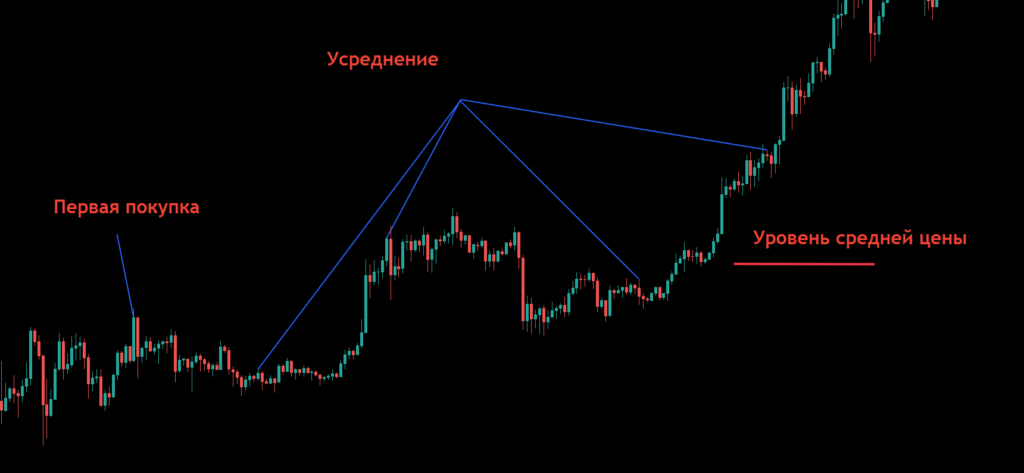
DCA requires a plan with a clear schedule. Orders should be placed at a regular cadence, for example once a week or twice a month.
For example, take a $6000 deposit and a five-year investment horizon. One way to apply DCA is to buy the asset once a month for $100 over the next five years.
Does averaging work for selling?
DCA is also used to sell an asset. As with buying, an investor can dispose of holdings in equal portions according to set criteria such as price levels or dates. This can reduce the risk of a poorly timed exit and help avoid missed gains.


When is DCA most useful?
DCA helps mitigate entry-price volatility and eases the financial burden of executing a long-term investment plan.
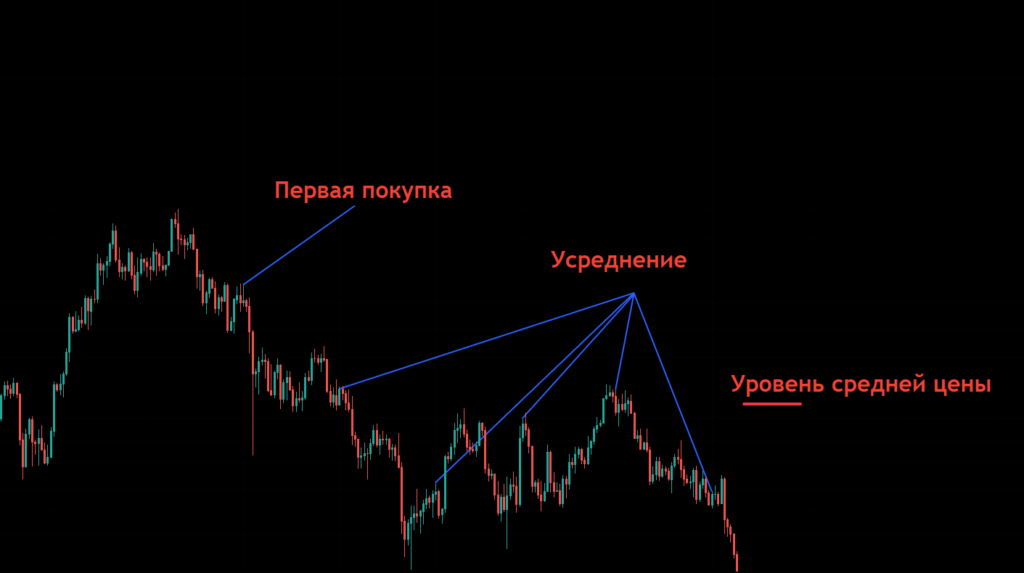
DCA suits buying during a bear market. Rather than trying to call the bottom, an investor follows a predictable plan, lowering the average entry price as the asset declines.
The approach assumes the investor has already formed a long-term growth view on the asset in question. The strategy cannot protect against price declines.
What are the advantages?
Dollar-cost averaging offers several advantages:
- No emotional decisions. A clear plan keeps the focus on buying or selling at set intervals, reducing the risk of counterproductive, emotion-driven choices.
- Time savings. Entry and exit points are pre-defined regardless of market conditions, freeing time otherwise spent on analysis and constant monitoring.
- Lower upfront outlay. Not all investors can or wish to invest a large sum at once. DCA enables a comfortable plan for a range of budgets.
- Falling prices can be a positive. A decline during the accumulation period improves the average entry price, increasing expected gains if prices rise later.
What are the drawbacks?
DCA ultimately relies on the asset’s price rising over the chosen period. It brings little benefit if the coin keeps falling. Hence the choice of instrument for investing or trading deserves special care.
In equities, DCA is better suited to index funds such as the S&P 500 and the Dow Jones than to individual stocks. There are many DCA calculators online, including for shares.
Who uses DCA in crypto?
DCA is often used to acquire large amounts of crypto over compressed timeframes. Among the best known is Twitter founder Jack Dorsey. In 2019 he said he invests in bitcoin “no more and no less than $10,000 every week.”
In 2018 the CEO of the popular BRD wallet, Adam Traidman, said DCA was his main strategy for buying bitcoin. His approach meant buying BTC every few days. According to Traidman, DCA helps avoid the psychological stress of deploying a large lump sum.
Analysts believe Microstrategy most likely adheres to DCA: it made several large bitcoin purchases in 2020 and 2021. When announcing another acquisition, the company’s CEO, Michael Saylor, quotes the average purchase price.
What else to read?
What are short and long?