


Key points
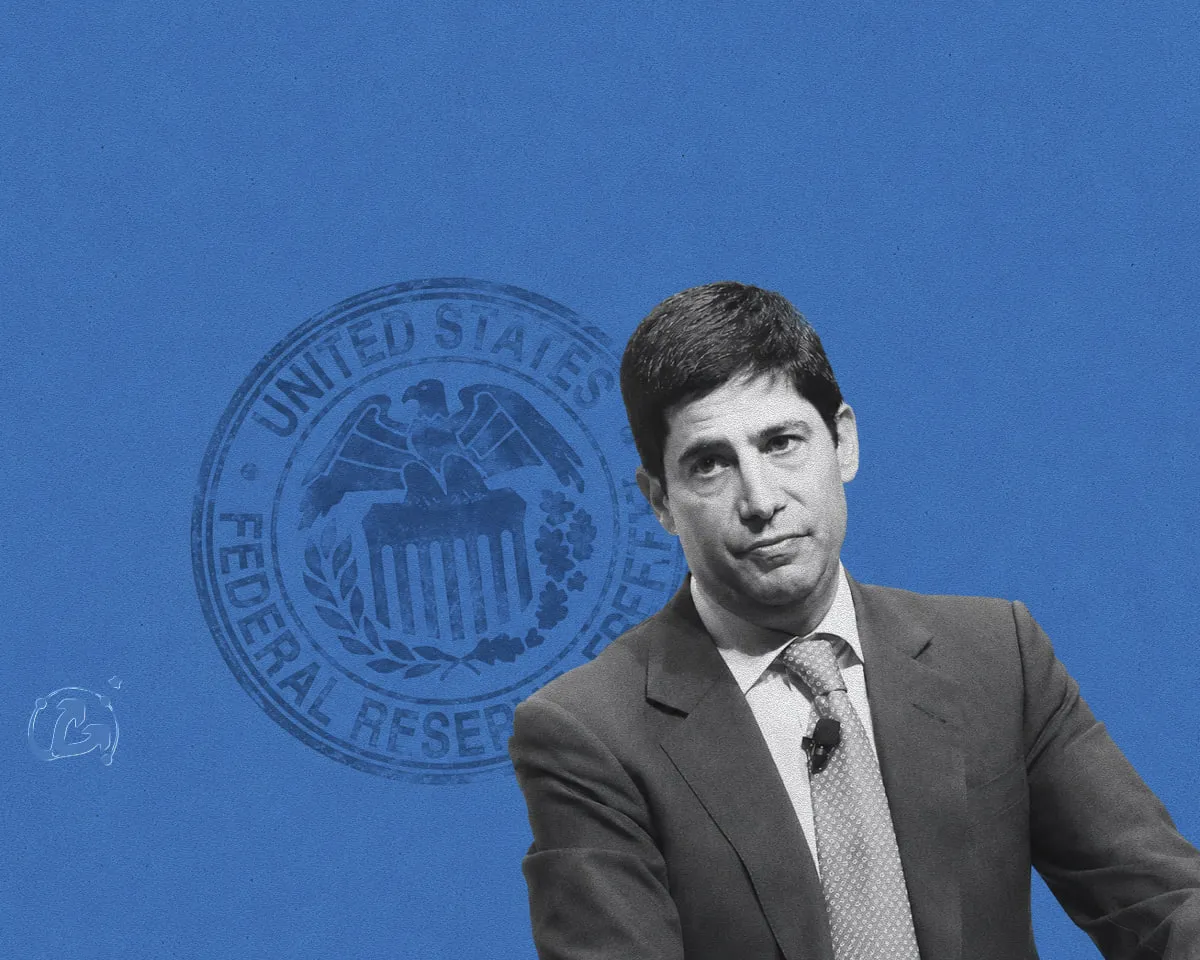
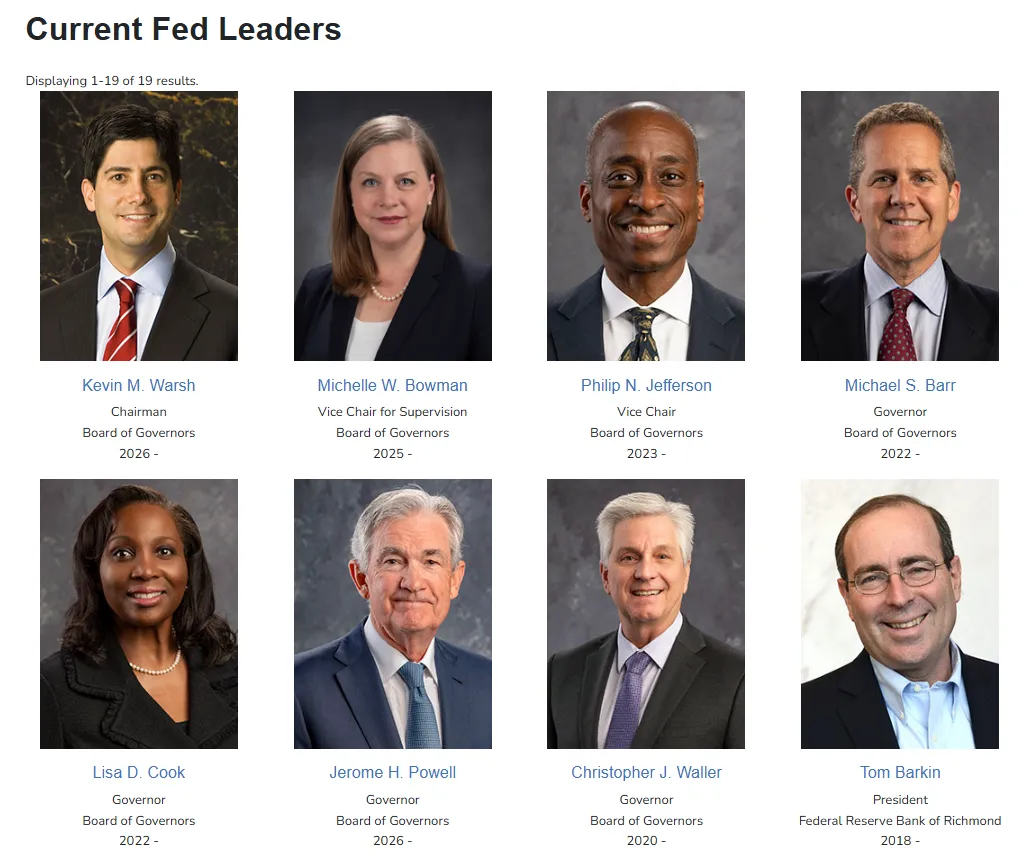
- Kevin Maxwell Warsh is the 17th chair of the United States Federal Reserve (the Fed), taking office on 22 May 2026.
- A supporter of cryptocurrencies, from whom a loosening of monetary policy is expected.
- A former adviser to the 43rd president, George W. Bush, and a senior executive at Morgan Stanley.
Early years
Warsh was born on 13 April 1970 in New York state, United States. He was the third child in the family. His father was an entrepreneur who owned several companies; his mother was a journalist and author.
The future official attended a public school and then went to Stanford University. In 1992 he earned a bachelor’s degree in public policy with an emphasis on economics and statistics. He continued at Harvard Law School, receiving a Juris Doctor in 1995.


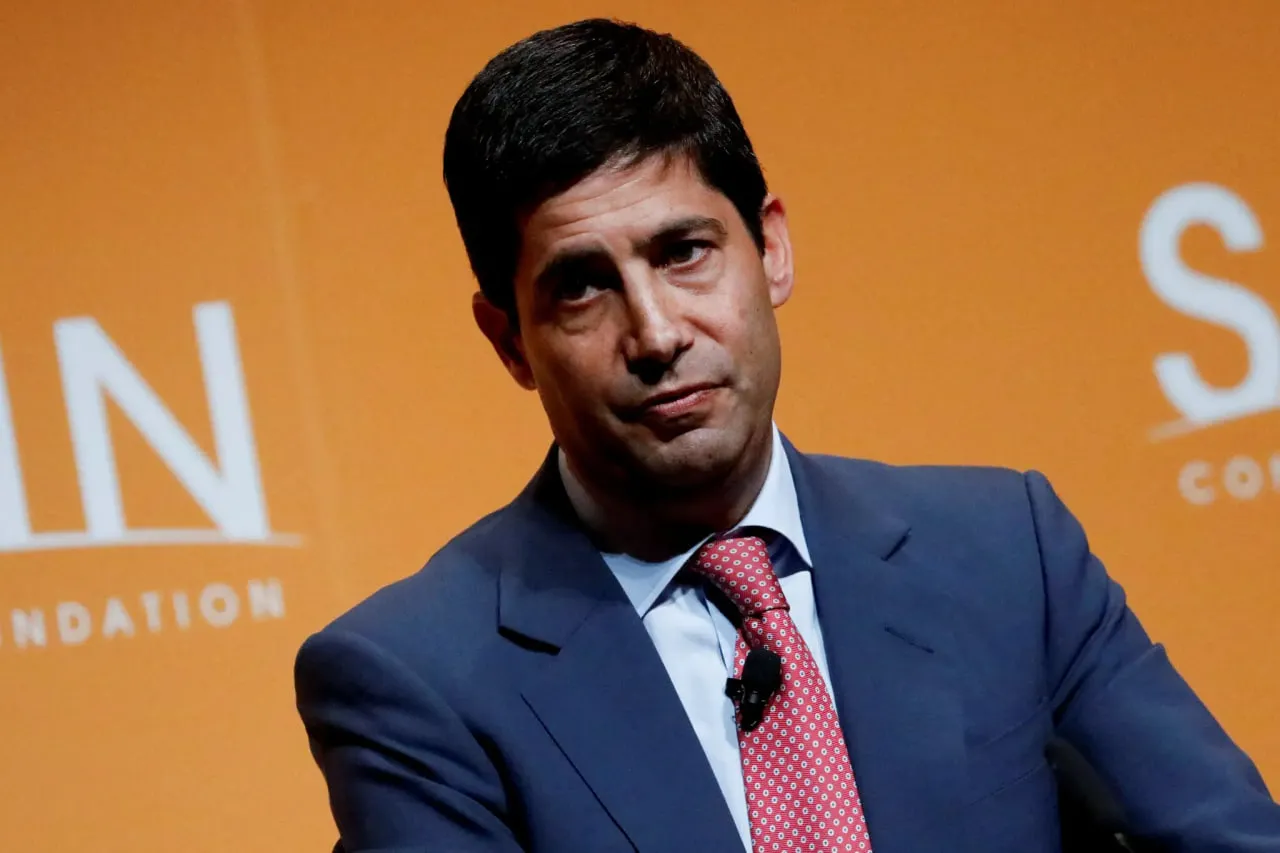
Unlike many predecessors as Fed chair, Warsh is not a traditional economist but rather a specialist in financial regulation and law.
Banking and political experience
Immediately after Harvard, Warsh went into investment banking. From 1995 to 2002 he worked at Morgan Stanley, rising to vice-president and executive director in the New York mergers and acquisitions group.
Colleagues and partners noted his negotiating skills and ability to execute complex corporate deals. His Wall Street experience later proved crucial during one of America’s toughest financial crises.
In 2002 Warsh left banking for public service in the George W. Bush administration. He served as executive secretary of the White House National Economic Council and then as special assistant to the president for economic policy.
In 2006 Bush nominated Warsh to be one of the seven members of the Federal Reserve Board of Governors.
First stint at the Fed
At 35, Warsh became the youngest official ever to hold that post. In office he combined administrative and diplomatic roles, serving as the Fed’s representative to the G20 and as an emissary to Asian economies.
His main baptism of fire was the 2008 financial crisis. During the Great Recession, Warsh acted as a bridge between banks and the Fed.
He served as a “translator” from the markets’ language into that of the regulator, advising chairman Ben Bernanke on what was really happening in the economy.
The official took a direct role in the rescue of American International Group and in arranging the emergency sale of Bear Stearns to JPMorgan to avert a systemic collapse.
“Warsh brought enormous real-world experience; he knew those people on Wall Street and understood the difference between when they were pressing their case and when they were giving us reliable information — and that was very, very valuable,” recalls former Fed vice-chair Don Kohn.
At the same time Warsh aggressively criticised the programme of quantitative easing (QE) introduced by the regulator amid the crisis. He feared that sharp rate cuts could unleash uncontrollable inflation.
He was the only policymaker to oppose the second round of QE and publicly voiced concern over the Fed’s decision to buy $600 billion in bonds to push down rates and spur bank lending.
Path to the chair
After leaving the Fed he joined the G30, an international group of financiers and economists. Over the same period he also held other posts:
- a visiting fellow at the Hoover Institution;
- a lecturer at Stanford Graduate School of Business;
- a member of the UPS board of directors.
Warsh’s name first surfaced as a potential Fed chair in 2017, during Donald Trump’s first term. The job, however, went to Jerome Powell.
In the end, the future central-bank chief became an informal adviser to Trump and was considered for Treasury secretary in the second administration, but that post went to Scott Bessent.
Only in early 2026 did Trump nominate Warsh to lead the Fed. The choice drew mixed reactions: Republicans saw a candidate who could “rev up” the economy; Democrats feared for the regulator’s independence.
On 12 May the Senate approved Warsh to the Board of Governors by a narrow margin (51 to 45), and the very next day appointed him chair (54 to 45).

Crypto stance and prospects
What sets Warsh apart from predecessors is direct, personal exposure to crypto. Before Senate hearings in April 2026 he disclosed a portfolio valued between $131 million and $209 million.
The filing listed more than 30 positions spanning almost every corner of the market. Among them:
- Bitcoin infrastructure. Warsh holds stakes in spot bitcoin ETF provider Bitwise Asset Management and Lightning Network start-up Flashnet;
- L1 and L2 networks. Direct investments in Solana, Optimism, Blast and other projects;
- DeFi. Positions in decentralised protocols dYdX, Compound and Lighter.
- Crypto venture. Backer of Polychain Capital, Scalar Capital and Tenderly;
- NFT and Web3. Stakes in Dapper Labs, Crossmint, DeSo and other firms at the intersection of crypto and social media.
- AI and adjacent technologies.
Upon taking office, Warsh must divest most of these assets within a year.
He has repeatedly spoken positively about bitcoin and other digital assets, while opposing CBDC.
“I think bitcoin is a good policeman. It is an important asset that can help policymakers understand when they are doing right and wrong,” he noted.
Warsh assumed the chair amid rising inflation and higher bond yields. In parallel, Trump is pressuring the regulator to cut interest rates.
The new chief has already drawn up a reform plan. He proposed shrinking the Fed’s balance sheet (at the time of writing $6.7 trillion), coordinating more closely with the Treasury, reducing the number of annual meetings and press conferences, and streamlining the Washington staff.
Warsh has called the Fed’s balance sheet “bloated” and said it could be reduced while simultaneously cutting interest rates. Even so, he has pledged to be a “strictly independent” chair, rejecting any potential Trump entreaties for immediate monetary easing.
At the time of writing Warsh has yet to take major decisions in office, but many expect sweeping changes to the Fed’s policy under his leadership.
“Warsh has a clear goal — to reform the institutional structure of the Fed, and he is by no means a continuity candidate. Moreover, he favours a small balance sheet, which is very hard to square with the president’s position,” commented BNP Paribas chief economist Isabelle Laga.