




Who is Satoshi Nakamoto?
Satoshi Nakamoto is one of the most enigmatic figures in the history of cryptocurrencies. Despite numerous attempts to unmask bitcoin’s creator, the mystery may have served the crypto world well. Nakamoto sought financial instruments free from outside control; revealing his identity could introduce one of bitcoin’s chief vulnerabilities.
In October 2008 a user calling himself “Satoshi Nakamoto” published “Bitcoin: A Peer-to-Peer Electronic Cash System” to a cypherpunk mailing list—the now-famous bitcoin white paper. It described a decentralised payments system that requires no third-party intermediary, such as a bank. Just two months later, in January 2009, bitcoin’s genesis block was mined.


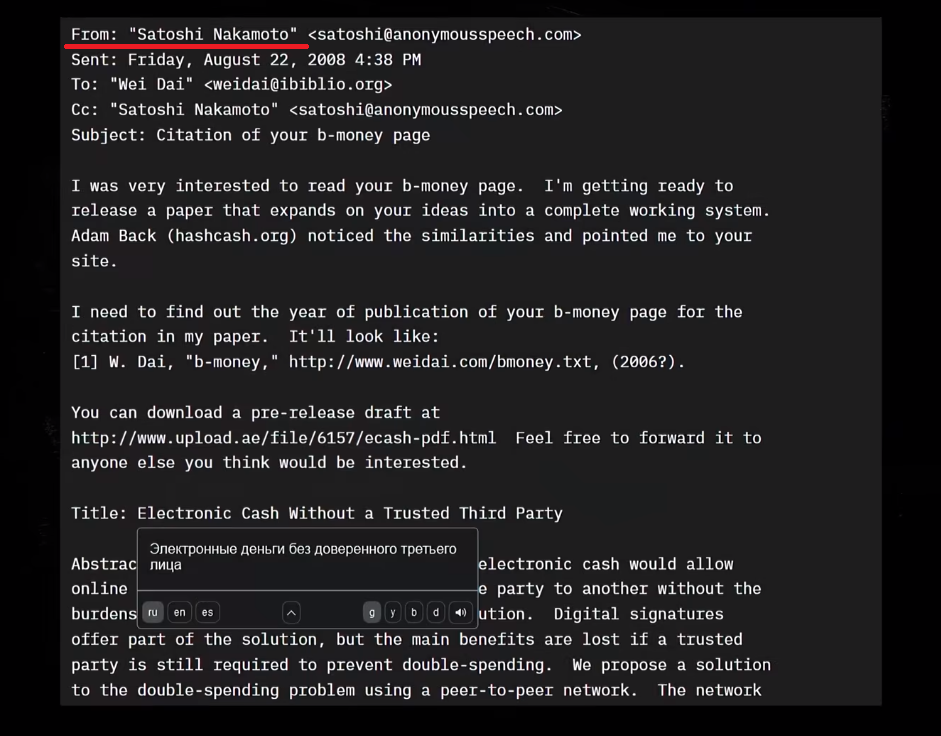
Nakamoto was driven by the idea of fixing core flaws in the existing financial system, notably the debasement of fiat currencies by central banks.
What is known about Satoshi Nakamoto?
Nakamoto’s activity was closely tied to the cypherpunk community, whose ideology has long prioritised privacy and data protection. Torrents, VPNs and electronic signatures are among the ideas that came to life thanks to cypherpunks.
Cryptocurrencies were no exception: before bitcoin, there were many attempts to create decentralised payments. Nakamoto, however, was the first to propose a model that worked.
No one knows who is behind the pseudonym. It could be a person of any gender or background, or even a group of developers who chose to remain anonymous.
In a profile on the P2P Foundation website, Nakamoto said he was from Japan, a claim often doubted. At least many signs point to him working and corresponding from London.
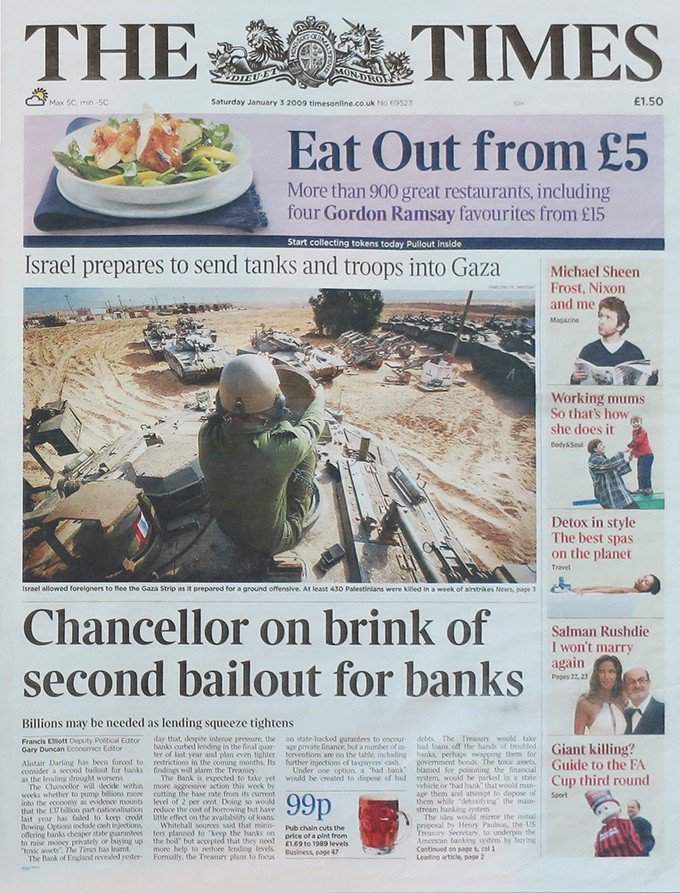
For example, Nakamoto posted messages during working hours consistent with London time, and the hash of bitcoin’s genesis block contained a reference to the headline “Chancellor on brink of second bailout for banks” from the London newspaper The Times.


Nakamoto’s emails often used idioms natural to native English speakers. The white paper was written in flawless English and was never translated into Japanese. Of course, he may simply have been laying a false trail.
There is also debate over Nakamoto’s supposed date of birth. One theory holds that 5 April 1975 was chosen as a nod to pivotal moments in monetary history.
On 5 April 1933 President Franklin Roosevelt signed an order prohibiting Americans from hoarding gold. They regained that right only in 1975.


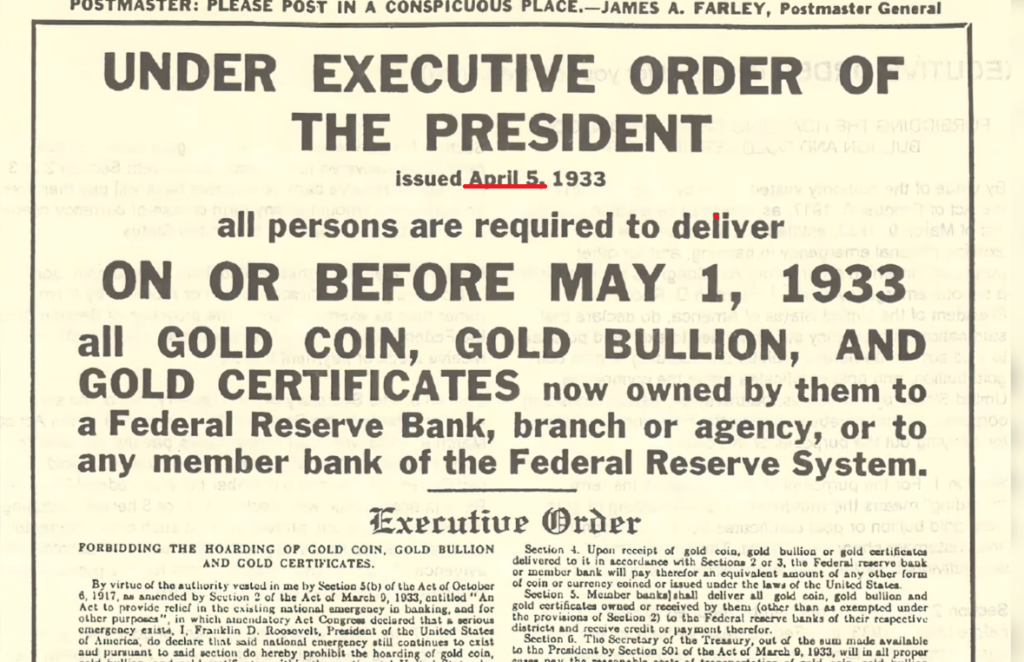
Perhaps Nakamoto meant to highlight the flaws of modern finance—and to signal the role he envisioned for bitcoin. The allusion proved prophetic: many now call the first cryptocurrency “digital gold”.
The name itself has been scrutinised for hidden meaning. In Japanese, “Satoshi” means “wise” or “clear-thinking”. “Naka” can be translated as “inside”, and “Moto” as “base, foundation”.
Split into characters, the words “naka” and “moto” together can also be read as “in a book”. Either way, the result is something like “clear-thinking at the foundation” or “wisdom in the book” (the bitcoin white paper?).
Why did Satoshi Nakamoto disappear?
From the outset Nakamoto prized anonymity. He went online only via the secure Tor browser and took great care to hide his identity. While others wondered whether he was unhinged, tracked his sleep patterns and even suspected ties to the Yakuza, Nakamoto kept working on bitcoin’s source code with other crypto-enthusiasts.
Discussing problems and fixes in chat, Nakamoto long remained an authority; bugs and shortcomings were resolved only with his involvement. Over time, however, his policies and actions drew increasing criticism.
Eventually he removed his name from bitcoin’s copyright notice, updated Bitcoin.org and added contacts for other active developers.
Nakamoto’s last known online appearance was on 26 April 2011. That day he wrote a short note to Gavin Andresen (creator of the first bitcoin faucet), handed over a copy of the cryptographic key for bitcoin’s security alert system and shared a few thoughts on the network’s future.
Since then, attempts to unmask the real person behind the pseudonym have not ceased.
Who has been named as bitcoin’s creator?
Many in the community still regard Nick Szabo and Hal Finney as the most likely candidates.
Nick Szabo—an American computer scientist and cryptographer—proposed an early concept of digital money in 1998, calling it Bit Gold. At the time it failed to gain traction owing to technical constraints.
Szabo himself has always denied involvement in bitcoin’s creation.
Another likely candidate is Hal Finney—another cryptographer—who on 12 January 2009 received the first bitcoin transaction.
Finney did correspond with Satoshi Nakamoto and supported his plans for bitcoin, later publishing their exchange. Some still believe he could have fabricated the correspondence to deflect prying eyes.
Sadly, Finney died in 2014. There remains a chance he could one day tell the truth: his body was cryonically preserved.
There were also those who vehemently claimed authorship of the first cryptocurrency. Chief among them is Craig Steven Wright, an Australian computer scientist. Over several years he offered various proofs, yet contradictions kept appearing.
At first he said that in 2008 he had discussed bitcoin’s creation with his partner, computer forensics expert Dave Kleiman; later, in court, he said he first met Kleiman only in August 2010. The cryptographic keys Wright submitted as proof that he is Satoshi Nakamoto were shown to have been created after the fact.
Another playful hypothesis suggests the pseudonym was chosen by a group of researchers in a consortium of four companies: SAmsung, TOSHIba, NAKAmichi and MOTOrola. No one has proved or disproved this theory.
All told, there have been at least nine candidates, but no one knows whether Satoshi was a man, a woman or a group. Perhaps that is not so important. If the identity were revealed, the project’s foundation in decentralisation could be shaken.
How many bitcoins does Satoshi Nakamoto own?
Satoshi Nakamoto is not only a legendary figure but also among the world’s richest: he owns more than 1 million BTC, valued at roughly $40bn today.
That is hardly surprising: Nakamoto was the first to mine bitcoins. Early on, mining difficulty was very low and there was no competition, so it was easy for bitcoin’s creator to amass such a large stash.
How could Satoshi Nakamoto affect bitcoin’s price?
Nakamoto’s identity should remain undisclosed—or so say most professional traders and many other market participants. If he were deanonymised, bitcoin would, in many minds, acquire an “owner” and cease to be fully decentralised, losing its chief advantage.
Any statement by Satoshi—or even his death—could destabilise the first cryptocurrency and the market as a whole. The same could happen if he suddenly chose to sell all his holdings. Whoever he is, Satoshi still controls nearly 5% of bitcoin’s total supply, enough to move the BTC price and spark panic.