The Global South Leads the Charge in Cryptocurrency Adoption: Expert Insights
While Western regulators deliberate over the future of cryptocurrencies, Africa is already leveraging blockchain to tackle real-world issues. Kevin Imani, head of Africa Venture Studio at StarkWare, discussed this in The Clear Crypto Podcast.
Local innovators are deploying the technology to enhance financial accessibility, energy, and communication. According to Imani, students and freelancers have become pioneers in blockchain use on the continent.
At the Africa Bitcoin Conference in 2024, Block CEO Jack Dorsey stated:
“Africa is a region with immense potential where Bitcoin can have a real impact on people’s lives.”
Limitations of Traditional Finance
From Kenya to Nigeria, the technology has been embraced out of necessity rather than speculative frenzy. The primary challenge has been the difficulty of receiving money from abroad and converting it into local currencies amidst limited banking infrastructure and low trust in state institutions.
This perspective is shared by Ray Youssef, founder of the P2P platform NoOnes, who views cryptocurrencies as a genuine “lifeline” for the populations of the Global South.
“Cryptocurrencies are not just a speculative toy for bankers. They are a vital tool for people in the Global South,” he stated in a comment to ForkLog.
The speaker emphasized that his platform NoOnes was created specifically to “double down on this mission,” providing people with tools for remittances, savings, payments, and education without intermediaries or censors.
“One almost has to become a trader,” Imani described the process of converting stablecoins or cryptocurrency earnings into fiat.
He noted that even before the emergence of official infrastructure from regulators or startups, communities were already actively using “stablecoins” to preserve value rather than spend. This has fostered the growth of P2P cryptocurrency exchange.
Youssef also pointed out the fundamental difference in approaches to digital asset use between the Global South and the West.
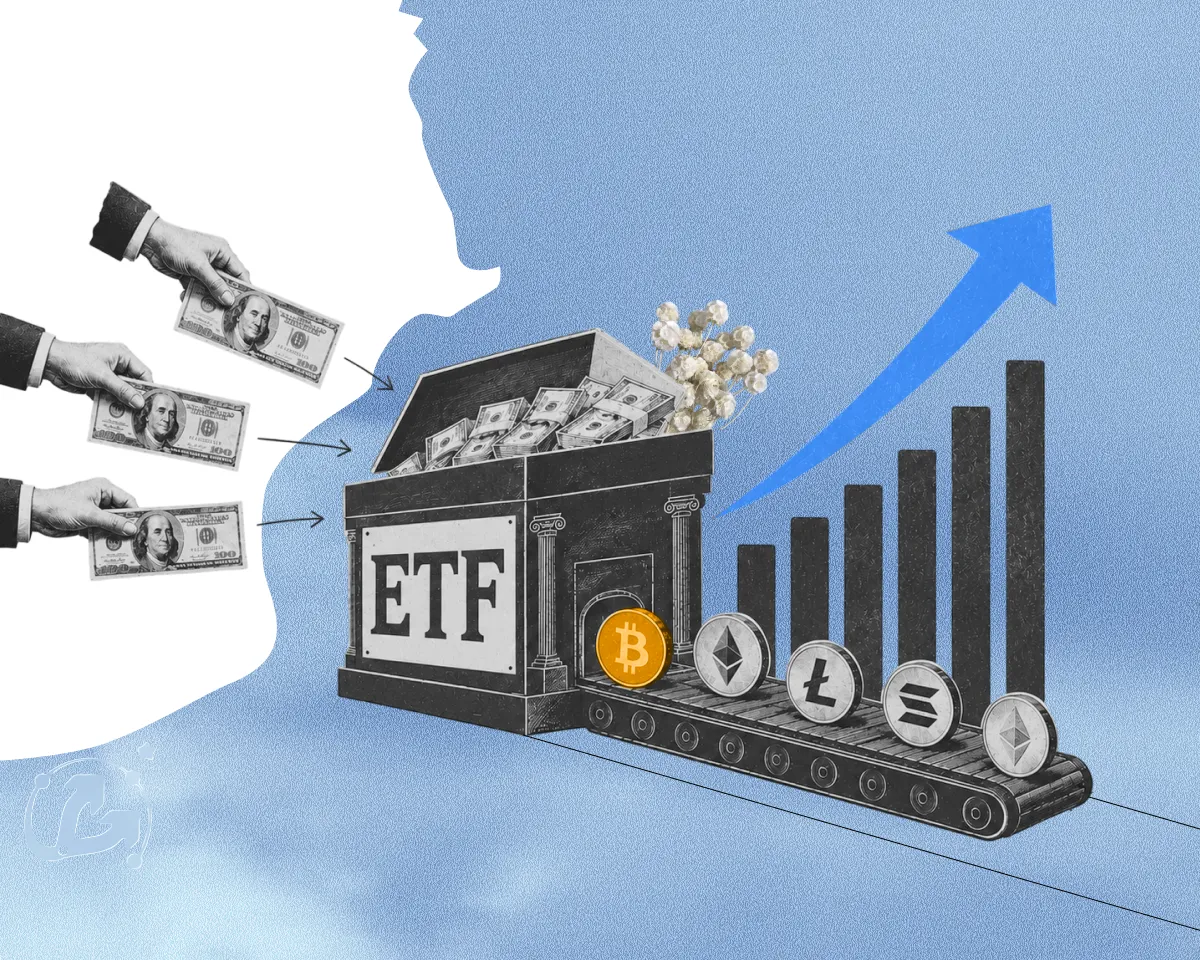
“While much of the Western discourse still revolves around ETFs, speculation, and abstract financial products, on the streets of Lagos, Nairobi, and Buenos Aires, cryptocurrencies have become something far more practical,” explained the founder of NoOnes.
Beyond Finance
Outside of finance, African innovators are applying blockchain to address energy supply issues. Imani cited rural areas in Zambia as an example, where excess energy from mini-hydropower plants can now be directed towards Bitcoin mining. This self-sufficient system reduces waste and generates income, he explained.
Another promising direction is improving internet connectivity. In regions with insufficient coverage by traditional providers, decentralized Wi-Fi networks are emerging. Participants in these networks can share their bandwidth, receiving instant and transparent rewards via blockchain.
Despite active local adoption, governments in countries like Kenya, Nigeria, and South Africa remain in a wait-and-see stance. Regulators are more focused on consumer protection than full-scale technology integration.
However, Imani remains optimistic about the future:
“The need is there. The technology is here. The only question is how we bridge this gap.”
In Youssef’s view, the experience of Africa and other regions of the Global South not only addresses local challenges but also profoundly influences the development of the global digital economy.
When innovations originate from the periphery, they tend to outpace outdated systems, explained the CEO of NoOnes. Developers are now compelled to focus on mobile devices, offline capabilities, and resilience, as these conditions are crucial in the real world.
“The Global South is not just participating in the process — it is leading by example. And the rest of the world will follow,” concluded Youssef.
Back in February, Altvest became the first African company with Bitcoin in its treasury.
Рассылки ForkLog: держите руку на пульсе биткоин-индустрии!