Telegram (AI) YouTube Facebook X
Ру
From Denial to Acceptance: How Billionaires Are Embracing Cryptocurrencies

From Denial to Acceptance: How Billionaires Are Embracing Cryptocurrencies

Adoption of cryptocurrencies worldwide is growing, but with rare exceptions it has not yet reached the financial elite — the recognised leaders of business and investment, the one phrase of whom can set the trend for almost the entire market.

Over the past year, such exceptions have become more numerous. Moreover, some sceptics who yesterday were burying cryptocurrencies have now recognised their right to exist.

On how billionaires, one after another, are changing their views on Bitcoin and cryptocurrencies, as reported by ForkLog.

Elon Musk
Net worth: $173 billion.
Key assets: Tesla and SpaceX.

The founder of SpaceX and Tesla—the two most famous startups of our era—Elon Musk, at the start of this year, became the richest person in the world.

The unofficial title of chief visionary does not hinder Musk from commenting on crypto; though on Twitter he often jokes about crypto, he has repeatedly paid serious homage to cryptocurrencies—namely Bitcoin.

His favourite cryptocurrency has been the meme coin Dogecoin. Perhaps because the businessman loves joking about it most of all.

Elon Musk was impressed by the ‘dogecoin’.

But this does not prevent some of his followers from pushing DOGE to new heights after such tweets. In July last year, the price of the coin jumped 17% after Musk’s tweet.

This year users pumped Dogecoin again for no reason, and Musk could not ignore the event.

In 2019, in an interview with ARK Invest Musk named Ethereum among the worthy of attention cryptocurrencies. And a year earlier he said that he would like to get ETH, even if it’s a scam. But the first on the list of worthy cryptocurrencies, according to the billionaire, is of course Bitcoin:

The structure of Bitcoin is impressive. They [cryptocurrencies] bypass currency controls. Paper money is a thing of the past. Cryptocurrencies are undoubtedly better suited for transferring value than scraps of paper

On Twitter Musk dedicates tweets to Bitcoin; their content is so unserious that outsiders sometimes suspect the account was hacked. This happened, for example, in 2018 when Musk sent an anime image with the Bitcoin logo to a user. Or at the end of 2020, after this tweet:

I might be missing something about Bitcoin so I’d love to be corrected. My problems with Bitcoin being an effective currency are simple… (1/5)

— Ray Dalio (@RayDalio) November 17, 2020

None of these suspicions were confirmed: Musk authored all such tweets himself. Yet, in general such thoughts are warranted, because his account often becomes the target of crypto scammers.

The statements about Bitcoin influence prices as well as Dogecoin. A single word #bitcoin added by Musk to the header of his profile, contributed to the rally in prices.

Moreover, recently Elon Musk backed author Ben Mezrich, who wrote that he would not mind getting paid in Bitcoin.

The real coming-out happened in an interview at the end of January:

Elon Musk has again spoken about Bitcoin

I am a Bitcoin supporter. I believe the financial world is close to its broad adoption. I have no opinion on other cryptocurrencies.

He confessed that many friends urged him to buy Bitcoin, but apparently he did not, since he added that he was late to the party. Either way, now the richest billionaire is officially a Bitcoin advocate.

Peter Thiel
Net worth: $6.7 billion.
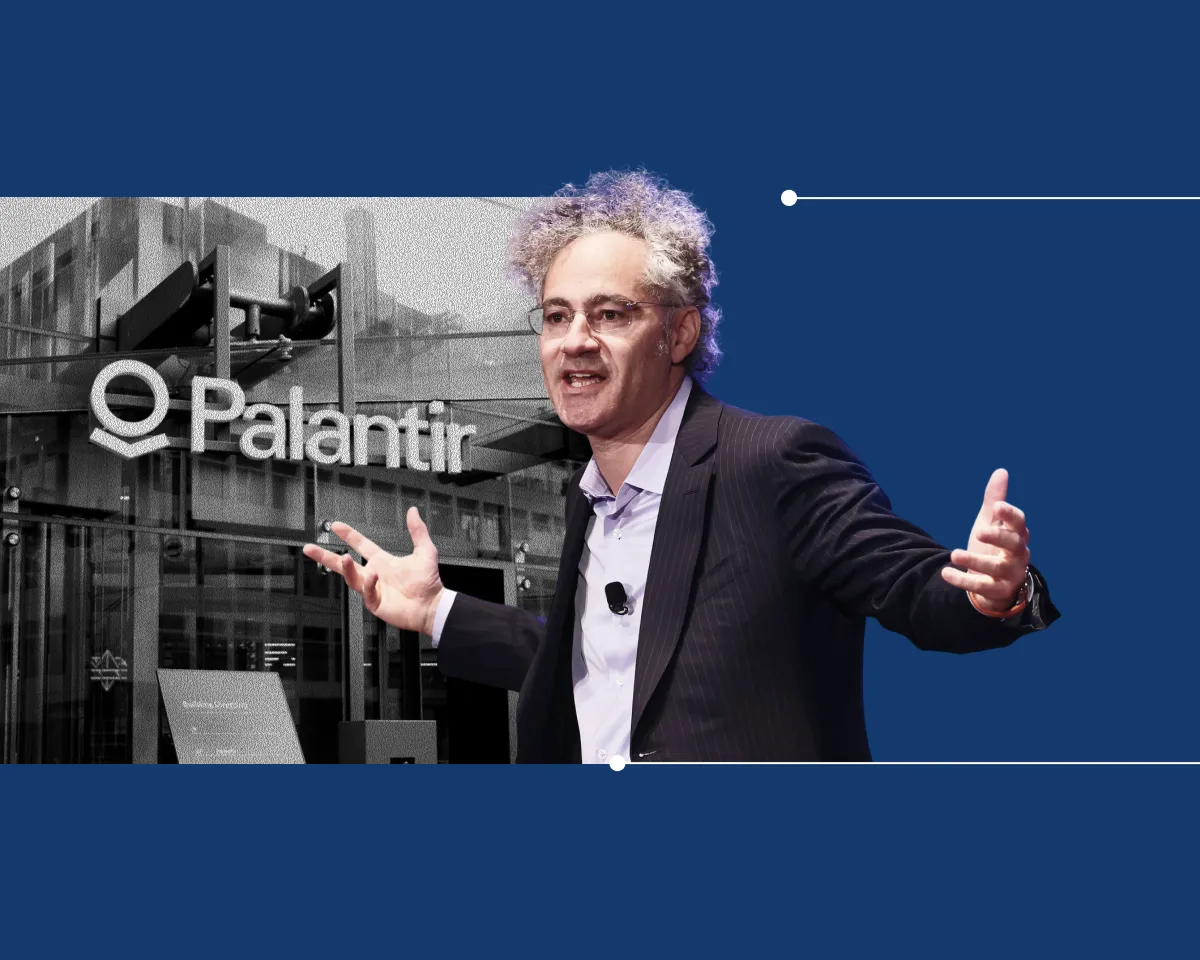
Key asset: Palantir.

The PayPal co-founder (alongside, incidentally, Elon Musk) and a well-known entrepreneur Peter Thiel can be regarded as one of the first openly crypto enthusiasts among America’s business elite.

In 2017 Thiel almost predicted the future: expressed the main thesis about Bitcoin as digital gold, which will become predominant among large investors in the near term:

I am sceptical about most cryptocurrencies, but I think people underestimate Bitcoin a little. It can be compared with reserve money, like gold. Bitcoin is a means of storing wealth; it is not needed for transactions,

In the investment world Thiel is known as an investor — in 2005 he co-founded Founders Fund, which became one of the best-known venture funds in the US. A few years after founding Founders Fund Thiel participated in creating other investment funds — Valar Ventures and Mithril Capital.

And Thiel’s venture firms have been actively investing in the crypto industry. Among their investments are Layer1, Tagomi, Reserve, BlockFi, and Lolli (a Bitcoin cashback service).

According to media reports, Thiel’s funds also engage in direct purchases of Bitcoin. In early 2018 the Wall Street Journal reported that Founders Fund was actively buying Bitcoin.

Coincidentally, PayPal, which Thiel once founded, also turned to cryptocurrencies and in 2020 launched a service for investing in cryptocurrencies.

PayPal launched the buying and selling of Bitcoin for users in the United States

Ray Dalio
Net worth: $17 billion.
Key asset: Bridgewater Associates.

Today Ray Dalio is a renowned public figure and one of the world’s most respected investors, but his relationship with cryptocurrencies was initially fraught. In 2017 he called the first cryptocurrency a bubble, though he acknowledged its viability on a conceptual level.

After that Dalio remained silent for more than two years. He spoke again about Bitcoin at the start of 2020. And, it seems, he could not stay indifferent, watching the rally at the end of the year.

Initially the financier stated that Bitcoin cannot replace gold, as the latter would not be discarded by governments and central banks, and authorities would ban Bitcoin if it became too important. However, soon he admitted that he might be missing something about Bitcoin, and asked his followers on Twitter to help him understand what exactly.

I might be missing something about Bitcoin so I’d love to be corrected. My problems with Bitcoin being an effective currency are simple… (1/5)

— Ray Dalio (@RayDalio) November 17, 2020

Apparently, during a Reddit AMA this year Dalio suddenly stated that Bitcoin and other cryptocurrencies may indeed be alternatives to gold.

He emphasised the importance of diversification of investment portfolios:

The main thing is to have a variety of assets in your portfolio, including stocks, and to diversify them.

In addition to these words on the Bridgewater Associates website a lengthy article by Dalio titled “What I Think of Bitcoin” was published. In it he presented his conceptual and financial approach to Bitcoin, effectively acknowledging it as a proper investment asset. As the famous investor wrote, cryptocurrencies have become an incredible invention:

To invent a new kind of money through a programmable computer system that works smoothly for about 10 years and rapidly gains popularity both as a means of exchange and as a store of wealth — that is a remarkable achievement.

Bitcoin has the potential to make investors very wealthy and to undermine the existing monetary system, the article says. But there are risks. In Dalio’s view, cryptocurrencies are vulnerable to hacking. They also risk becoming the object of new restrictions by governments seeking to preserve control over the monetary system.

Dalio’s crypto-skeptical company will consider investments in Bitcoin

Other crypto-enthusiasts among billionaires

There are a few more examples where major investors either change their public stance on crypto assets or openly discuss their holdings in cryptocurrencies.

One of them is Paul Tudor Jones, another popular investor and head of Tudor Investment Corporation. Forbes values his wealth at $5.8 billion.

In May 2020 Jones unofficially led the camp of whales who decided to buy Bitcoin due to rising inflation risks for the dollar, stating that he had allocated 1-2% of his assets to digital gold.

Although at first glance this may seem a small figure, in reality Jones’s Bitcoin holdings amounted to around $100 million at that time. It is not unlikely that their volume grew, as at the end of October the financier honestly admitted that Bitcoin appeals to him even more than before.

Howard Marks, co-founder of Oaktree Capital Group, with a net worth of $2.1 billion, acknowledged the flaw in his sceptical view of cryptocurrencies. In a memo to clients Marks revealed that his family owns a substantial amount of Bitcoin, and frankly wrote:

My sceptical views have not been borne out.

A portion of capital managed by invested in Bitcoin and billionaire Stanley Druckenmiller. He told CNBC in November. He noted that Bitcoin could be a better store of value than gold. Druckenmiller’s net worth is around $4.4 billion.

Another billionaire who has become more crypto-friendly is Mark Cuban (net worth around $4.2 billion). In 2019 he compared Bitcoin holders to collectors of comics and baseball cards. But in January this year he said that Bitcoin could go through a market bubble just as Amazon did, which rode out the dot-com bubble and became the world’s leading internet company. And later Cuban even demonstrated knowledge of DeFi.

As the industry matures, the number who view digital currencies positively will inevitably grow. And while there are still few supporters of Bitcoin among financial elites, even this small group of billionaires attracts the attention of their peers.

Subscribe to ForkLog news on Telegram: ForkLog Feed — the full feed of news, ForkLog — the most important news and polls.

Подписывайтесь на ForkLog в социальных сетях

Telegram (основной канал) Facebook X
Нашли ошибку в тексте? Выделите ее и нажмите CTRL+ENTER

Рассылки ForkLog: держите руку на пульсе биткоин-индустрии!

We use cookies to improve the quality of our service.

By using this website, you agree to the Privacy policy.

OK